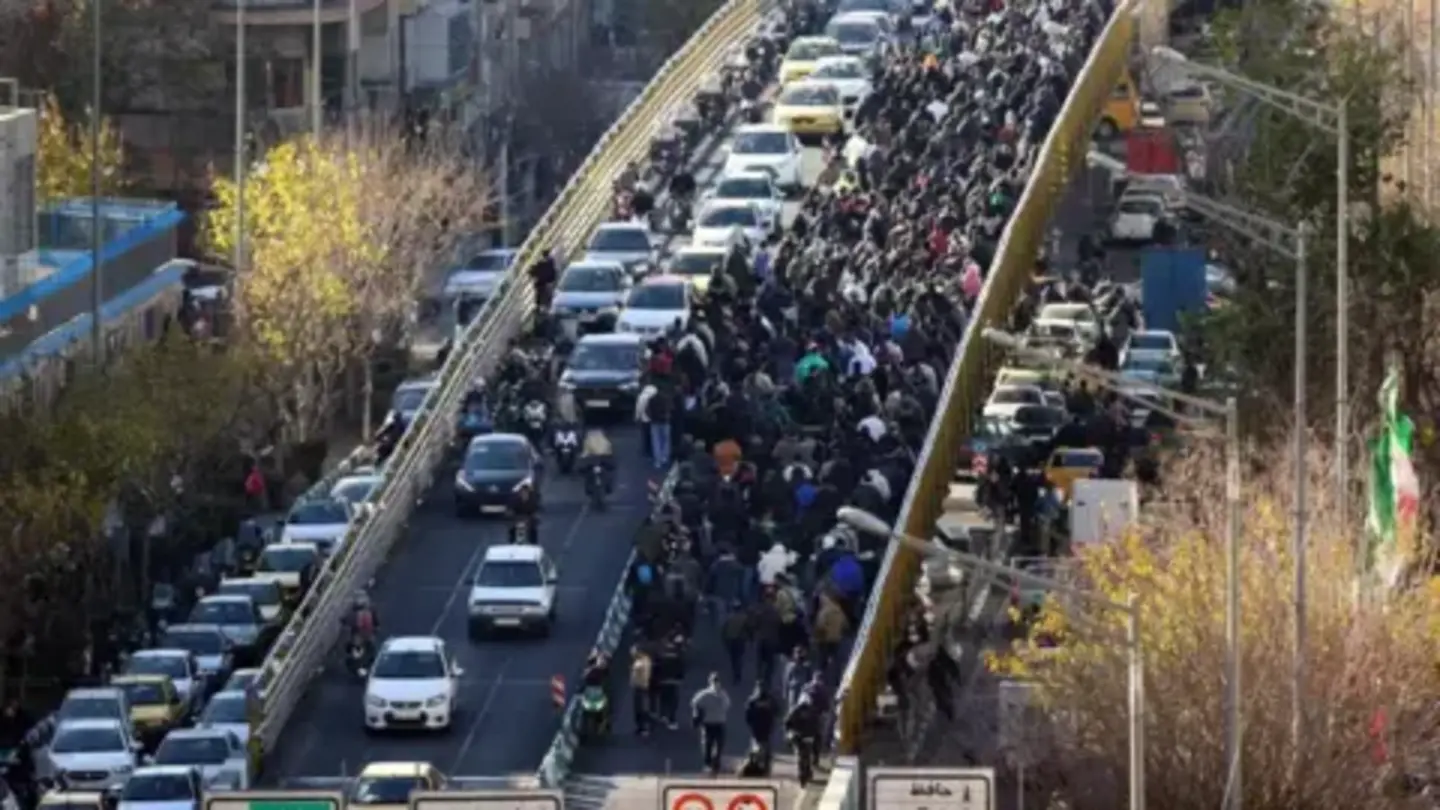
Widespread protests have erupted across Iran, fueled by a rapidly deteriorating economic situation and discontent with the ruling clerical establishment led by Ayatollah Ali Khamenei. Reports indicate several protesters have been killed in clashes with security forces, raising concerns of escalating violence and a potential crackdown by the government.
The demonstrations, initially sparked by rising fuel prices and economic hardship, have quickly broadened to encompass more general grievances against the regime. Citizens are expressing frustration over soaring inflation, widespread unemployment, and perceived corruption within the government. The protests represent one of the most significant challenges to the Ayatollah’s authority in years.
The unrest is particularly acute in several provinces, including Khuzestan and Isfahan, but appears to be gaining traction in major urban centers like Tehran. Videos circulating on social media, though access is heavily restricted, depict protesters chanting anti-government slogans and clashing with riot police. The authenticity of these videos is difficult to independently verify, but they align with accounts from on-the-ground sources.
Economic Crisis a Key Driver
Iran’s economy has been struggling under the weight of international sanctions, particularly those imposed by the United States following the withdrawal from the 2015 nuclear agreement. These sanctions have severely limited Iran’s oil exports, a crucial source of revenue, and have contributed to a sharp devaluation of the Iranian currency, the rial.
The economic hardship is impacting all segments of society, but is particularly felt by the lower and middle classes. Basic necessities have become increasingly unaffordable, leading to widespread public anger. Government attempts to address the crisis through austerity measures and price controls have largely been ineffective, further exacerbating the situation.
The protests also come against a backdrop of increasing social restrictions and political repression. Critics accuse the government of stifling dissent and suppressing freedom of expression. The recent death of Mahsa Amini, a young woman who died in police custody after allegedly violating hijab rules, has further inflamed public anger and contributed to the current wave of protests.
The Iranian government has responded to the protests with a mix of force and attempts at damage control. Security forces have deployed heavily in affected areas and have reportedly used live ammunition and tear gas to disperse protesters. Simultaneously, state media has been downplaying the scale of the unrest and accusing foreign actors of instigating the violence. Access to the internet has been drastically restricted, making it difficult for protesters to organize and share information.
The international community is closely monitoring the situation in Iran. Many countries have called for restraint and respect for human rights. The outcome of the protests remains uncertain, but the unrest highlights the deep-seated frustrations within Iranian society and the growing pressure on the ruling elite. Further escalation could have significant regional and global implications, potentially destabilizing the already volatile Middle East.
Image Source: Google | Image Credit: Respective Owner