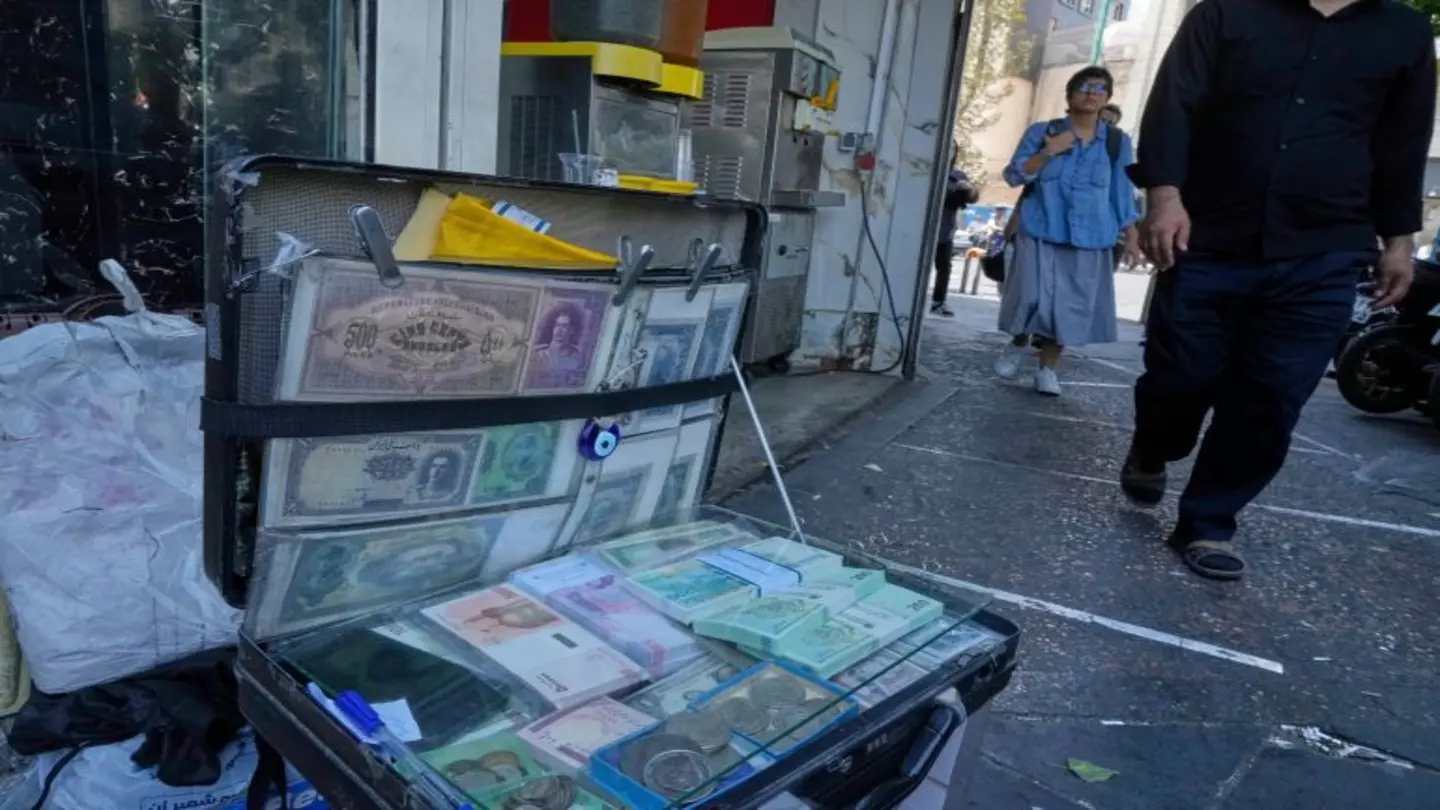
Tehran, Iran – Fresh protests have erupted across Iran, particularly in the capital city, fueled by a dramatic collapse in the value of the Iranian Rial. The currency has reached a record low against the US dollar, exacerbating economic hardship and sparking widespread discontent with the government. Demonstrators are voicing anger over rising inflation, limited economic opportunities, and perceived government mismanagement.
The protests began on Monday and have continued into Tuesday, with reports of clashes between protesters and security forces. While the exact number of arrests and injuries remains unclear, social media footage depicts scenes of unrest and police using force to disperse crowds. Authorities have responded by restricting internet access in an attempt to curb the flow of information and organize dissent.
The Rial’s decline is attributed to a confluence of factors, including crippling US sanctions imposed following the withdrawal from the 2015 nuclear deal, internal economic policies, and regional instability. These sanctions have severely limited Iran’s oil exports, a crucial source of revenue for the country. The ongoing war in Ukraine and global economic uncertainty have further compounded the economic pressures.
Economic Impact and Public Grievances
The plummeting currency is driving up the cost of essential goods, including food and medicine, making them increasingly unaffordable for ordinary Iranians. This is particularly impacting low-income families and those on fixed incomes. The economic crisis is also fueling a sense of desperation and frustration among the population, leading to increased social unrest.
The current protests are reminiscent of those that swept across Iran in late 2022, triggered by the death of Mahsa Amini while in the custody of the morality police. While the current unrest is primarily driven by economic grievances, it also reflects a broader dissatisfaction with the political and social restrictions imposed by the Islamic Republic. Many protesters are calling for fundamental changes to the system.
The government has attempted to downplay the severity of the economic situation and has blamed external factors for the currency’s decline. However, critics argue that the government’s policies have exacerbated the crisis and that a lack of transparency and accountability is fueling public anger. The central bank has implemented measures to stabilize the Rial, but these efforts have so far proven ineffective.
The situation remains volatile, and it is unclear how the government will respond to the escalating protests. Further escalation could lead to increased violence and instability, with potentially far-reaching consequences for the region. International observers are closely monitoring the situation and calling for restraint from all sides. The protests highlight the deep-seated economic and political challenges facing Iran and the growing frustration of its population.
Image Source: Google | Image Credit: Respective Owner