Tehran – Iranian protests appear to be waning after a period of intense unrest met with a forceful crackdown by state security forces. State media reports indicate that approximately 3,000 individuals have been arrested across the country in connection with the demonstrations, which were sparked by the death of Mahsa Amini in September.
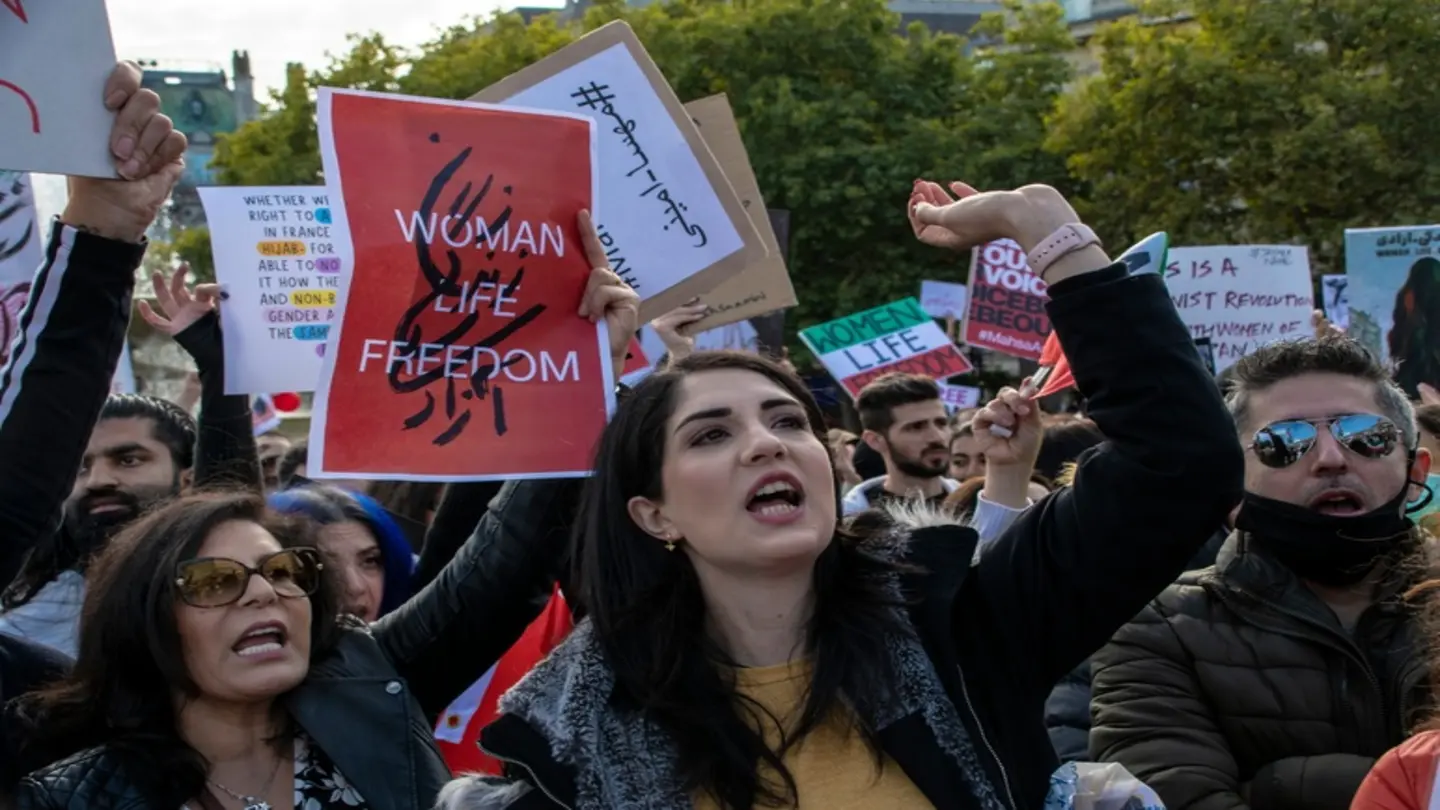
Amini, a 22-year-old Kurdish woman, died while in the custody of Iran’s morality police, accused of violating the country’s strict dress code for women. Her death ignited widespread anger and protests, initially focused on the mandatory hijab but quickly expanding to encompass broader grievances against the Islamic Republic’s rule, economic hardship, and social restrictions.
The protests, which saw participation from a diverse range of Iranians – including women, students, and ethnic minorities – posed one of the most significant challenges to the government in years. Demonstrators took to the streets in cities across Iran, chanting anti-government slogans and calling for fundamental changes to the political system.
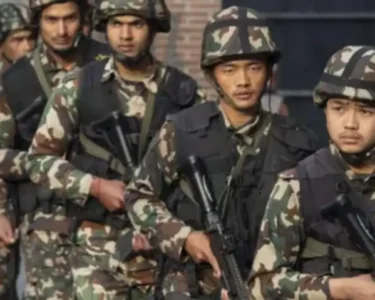
However, authorities responded with increasing severity, deploying riot police, security forces, and, according to human rights groups, using live ammunition against protesters. Numerous deaths and injuries have been reported, although the exact number remains disputed. The government has blamed “foreign enemies” and “rioters” for the unrest, attempting to portray the protests as a foreign-backed attempt to destabilize the country.
Crackdown and Arrests
The recent wave of arrests has targeted not only protesters but also journalists, activists, and individuals perceived as critical of the government. Many detainees face vague charges, such as “acting against national security” or “disrupting public order.” Concerns are growing about the conditions of detention and the potential for unfair trials.
While the scale of the protests has diminished, the underlying tensions remain high. Reports suggest that security forces maintain a heavy presence in major cities, and internet access continues to be restricted in an attempt to control the flow of information. The government has also initiated a campaign to suppress dissent and reinforce its authority.
International condemnation of the Iranian government’s response to the protests has been widespread. Numerous countries and organizations have called for an independent investigation into Amini’s death and the subsequent violence against protesters. Sanctions have also been imposed on Iranian officials and entities accused of human rights abuses.
Despite the crackdown, some activists and analysts believe that the protests have had a lasting impact, exposing the deep-seated discontent within Iranian society. They argue that the protests represent a turning point in the country’s political landscape and that the demand for change will continue to grow. The future trajectory of Iran remains uncertain, but the events of the past few months have undoubtedly shaken the foundations of the Islamic Republic.
The state media’s claim of protests “subsiding” is viewed with skepticism by some observers, who point to ongoing reports of sporadic demonstrations and acts of civil disobedience. The government’s narrative is likely aimed at projecting an image of stability and control, both domestically and internationally.
Image Source: Google | Image Credit: Respective Owner