The Sentencing of a Nobel Laureate
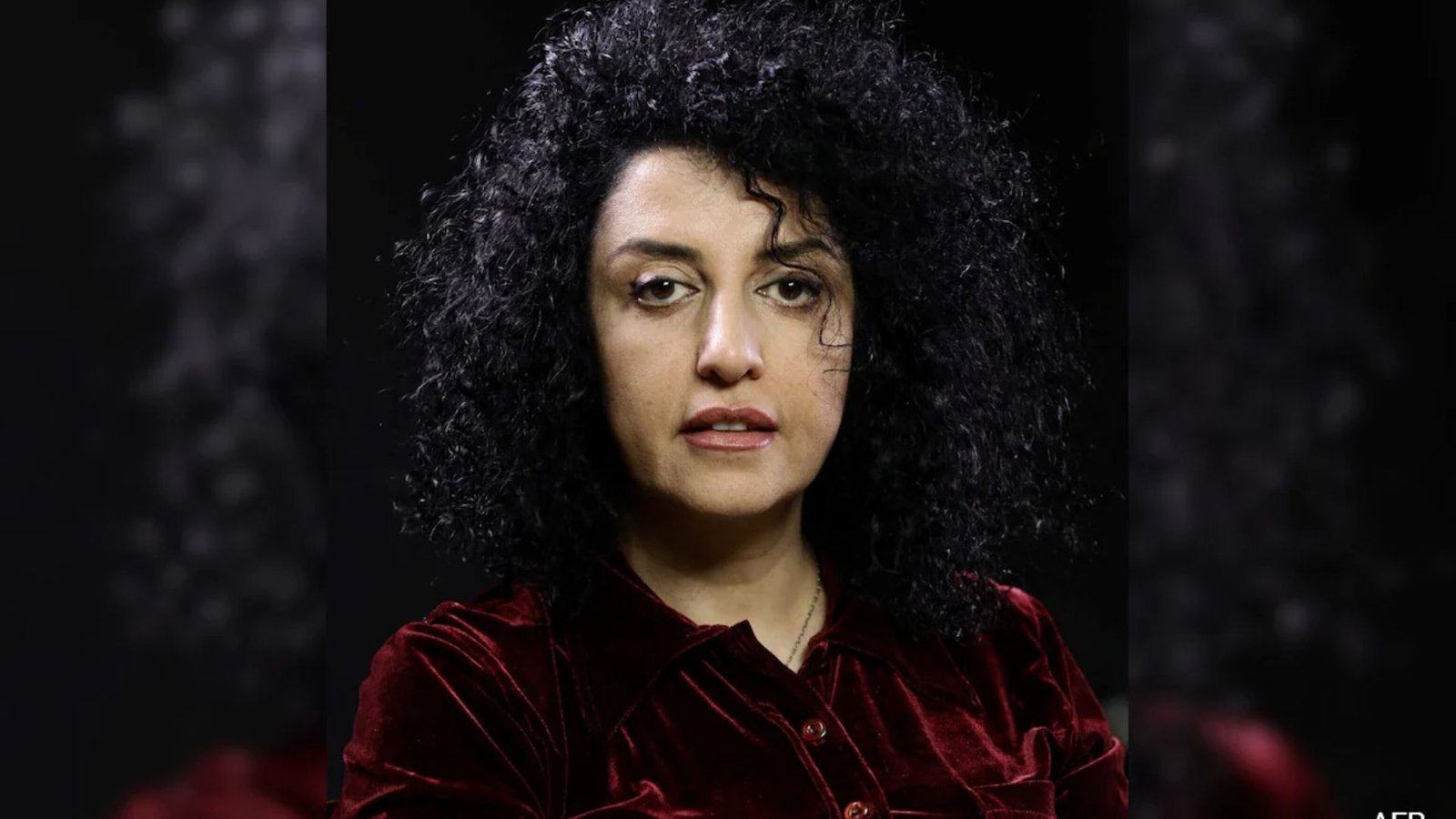
Iran’s judiciary has sentenced Mohammadi, a prominent human rights lawyer and 2015 Nobel Peace Prize nominee, to six years in prison. The ruling, announced by state media, follows a 17-year legal battle over alleged espionage charges. Mohammadi, known for defending dissenters, faces an appeal but legal experts deem the verdict nearly final. His detention has sparked outrage among global human rights organizations and the Norwegian government, which oversees the Nobel Committee.
Presented at the trial were documents allegedly linking Mohammadi to foreign intelligence agencies. However, his legal team insists the evidence is fabricated, arguing the charges are politically motivated. The case highlights Iran’s ongoing crackdown on activists and journalists. Since 2016, over 50 human rights defenders have been imprisoned under similar allegations, according to the UN.
An Iranian lawyer representing Mohammadi called the verdict a “grave injustice.” He stated, “The court ignored procedural errors and evidence of retribution.” Meanwhile, the Iranian judiciary defended the sentence, claiming it upheld national security laws. The case has drawn comparisons to past prosecutions of dissidents, raising concerns about Iran’s judicial transparency.
Mohammadi’s activism dates back to the 2009 Green Movement protests. His work earned international acclaim, including a 2010 Human Rights Watch award. Despite his health issues, he remained a vocal critic of Iran’s policies. The Nobel Committee had previously noted his “invaluable contributions” to peace efforts, though his nomination was never finalized.
International reactions include condemnations from the Amnesty International and the European Parliament. The UN Special Rapporteur on Iran stated the sentence “undermines global human rights standards.” Norway’s foreign ministry expressed “deep concern” and called for Mohammadi’s release.
While protests in Iran are rare, satellite imagery shows activists using encrypted apps to organize rallies. Mohammadi’s sister reportedly received a call from his lawyer hours after the verdict, urging her to contact international allies. Legal avenues for appeal are limited, with only a one-week window to challenge the sentence.
The case has prompted discussions about diplomacy. The US and UK have called for sanctions on Iranian officials involved, while China and Russia urged restraint. Mohammadi’s trial reflects broader tensions between Iran’s theocratic regime and global human rights norms. His imprisonment may further isolate Tehran diplomatically.
Human rights groups face challenges in documenting conditions at Mohammadi’s detention. Reports from the Iranian Human Rights Institute allege he is subjected to solitary confinement, though no independent verification exists. His case is monitored by the UN Working Group on Arbitrary Detention.
Domestically, Mohammadi’s conviction has been used as a warning to others. State media framed the verdict as a victory against “foreign interference,” a narrative critics dismiss as a cover for political repression. Academics note that Iran’s legal system increasingly targets intellectuals under the guise of national security.
Mohammadi’s trial underscores the risks of activism in Iran. Despite systemic crackdowns, activists persist through digital networks. His sentence may galvanize international sanctions or highlight vulnerabilities in Iran’s reforms. For Mohammadi, the battle for justice continues outside prison walls.
Humanitarian appeals for Mohammadi’s release have gone unanswered. NGOs urge boycotts of Iranian oil and goods linked to his case. The situation remains fluid, with potential outcomes ranging from an intervention to prolonged detention. Mohammadi’s story exemplifies the global struggle for press freedom and legal accountability.
In a symbolic gesture, Nobel Committee members sent a letter to Iran calling for “immediate clarification.” Whether this will translate into action remains uncertain. Mohammadi’s legacy as a defender of dissent continues to inspire activists worldwide.
Image Source: Google | Image Credit: Respective Owner