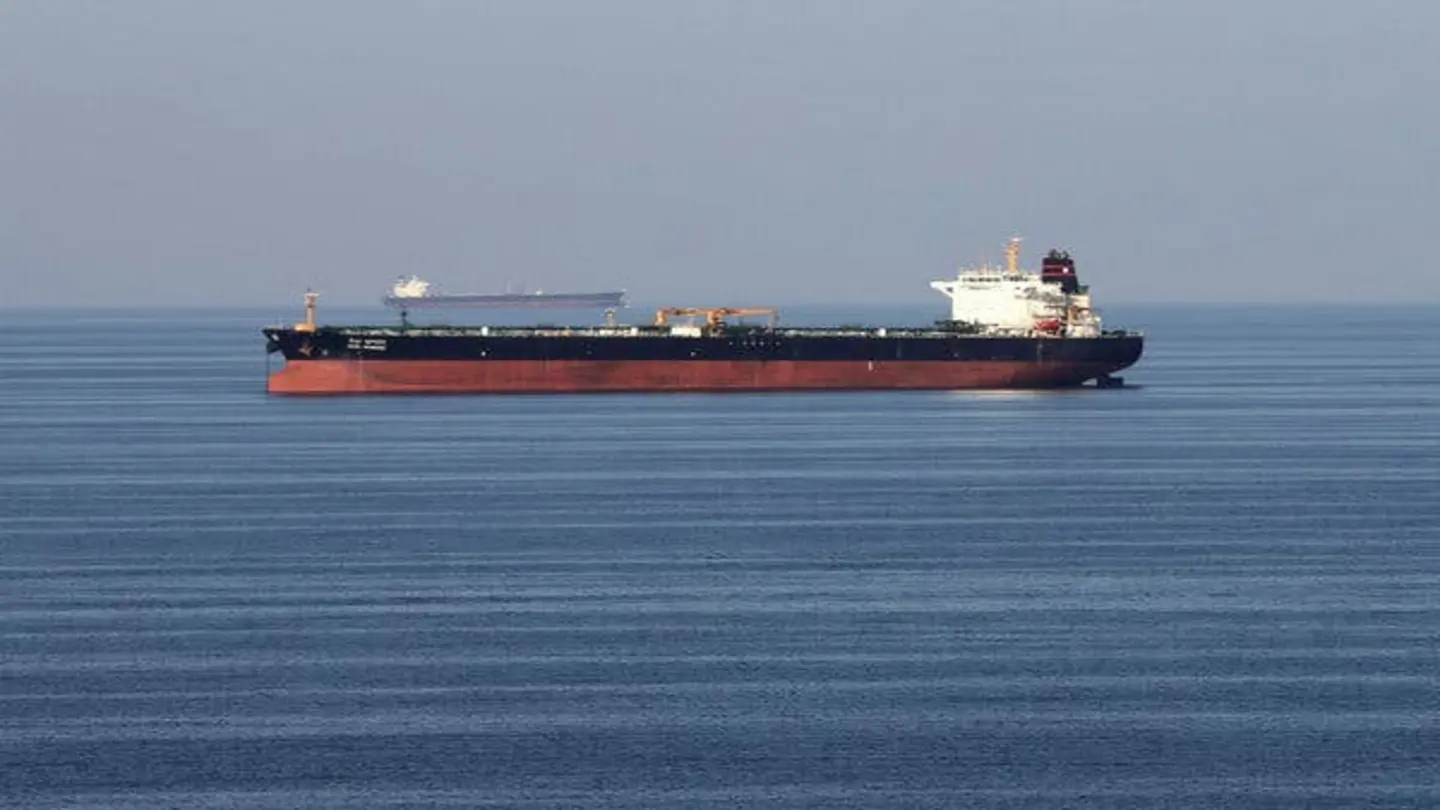
Iranian naval forces have intercepted a tanker in international waters and redirected it towards Iran, according to reports from Reuters. The incident, which occurred in a strategically important maritime route, has heightened concerns about maritime security and freedom of navigation. Details surrounding the tanker’s origin, cargo, and intended destination remain scarce, but initial assessments suggest the vessel may have been targeted due to alleged violations of Iranian maritime regulations or sanctions.
The Interception
The interception was reportedly carried out by Iran’s Islamic Revolutionary Guard Corps Navy (IRGCN), which has a history of engaging with commercial vessels in the Persian Gulf and surrounding waters. The IRGCN utilized speedboats and possibly a helicopter to approach and seize control of the tanker. Communication signals from the tanker abruptly ceased after the interception, further fueling speculation and anxiety about the crew’s safety and the vessel’s status. Maritime monitoring agencies have confirmed the tanker’s altered course, indicating it is now moving towards Iranian territorial waters.
International Reactions
The incident has drawn swift condemnation from several international bodies and governments, particularly those with a vested interest in maintaining secure sea lanes. Concerns were voiced over the potential disruption to global trade and energy supplies. Authorities are closely monitoring the situation and coordinating diplomatic efforts to secure the tanker’s release and ensure the crew’s well-being. This latest event adds to a series of maritime incidents in the region, creating a tense atmosphere and raising the specter of further escalation. The United States Navy, which maintains a significant presence in the area, has increased its patrols and surveillance activities in response to the interception.
Impact and Implications
The interception has broader implications for international relations and maritime law. Analysts suggest the action could be a calculated move by Iran to assert its dominance in the region or to retaliate against perceived provocations. The incident underscores the precariousness of maritime security in the Persian Gulf, a vital artery for global energy transport. Negotiations and diplomatic solutions appear to be the preferred course of action to de-escalate the situation and prevent similar incidents in the future. The incident is a stark reminder of the challenges in maintaining stability and security in a region fraught with geopolitical tensions. The long-term impact on shipping and trade remains uncertain, but the immediate effect has been a heightened sense of vigilance and apprehension among maritime operators.
The incident underscores the need for strengthened international cooperation to ensure freedom of navigation and the peaceful resolution of maritime disputes. It also highlights the importance of adhering to international law and respecting the sovereignty of nations while upholding the principles of safe and secure maritime operations. Further details are expected to emerge as investigations proceed and diplomatic efforts continue.
Image Source: Google | Image Credit: Respective Owner