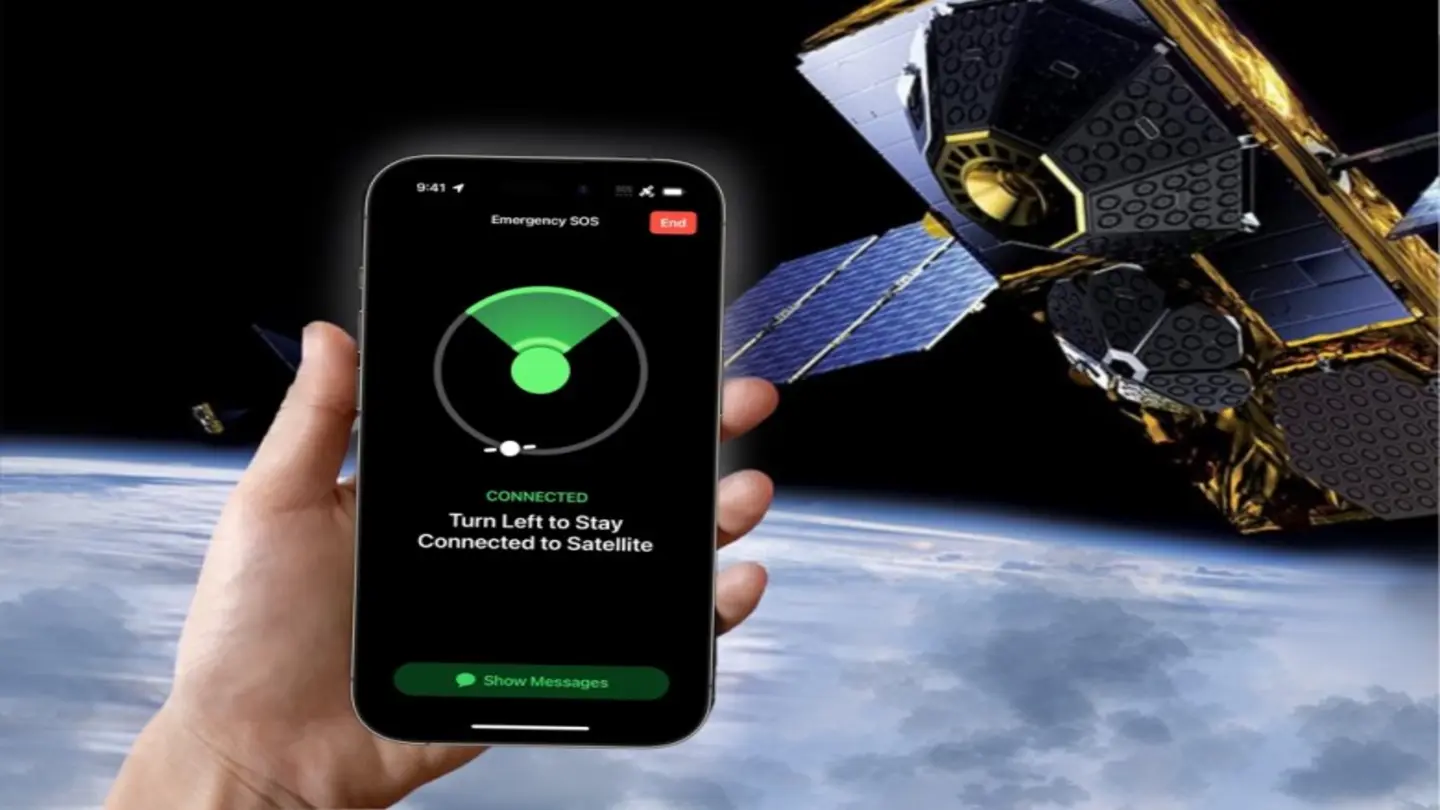
Apple’s iPhone is introducing new satellite features that could significantly enhance connectivity, especially in areas with limited or no cellular coverage. These features, while not entirely new to the smartphone market, promise a more integrated and user-friendly experience for iPhone users. India, with its diverse geographical landscape and varying levels of network infrastructure, stands to benefit from such advancements.
Emergency SOS via Satellite
One of the most critical features is Emergency SOS via Satellite. This allows users to send emergency messages to first responders even when they are outside of cellular range. The iPhone’s software guides users to point their phone in the right direction to connect with a satellite. The service then sends a message containing the user’s location, medical information (if enabled), and the nature of the emergency to a relay center staffed by Apple-trained specialists, who can then dispatch help.
While currently available in select countries, its potential application in India is vast. Remote areas, mountainous regions, and disaster-prone zones often suffer from unreliable network connectivity. Emergency SOS via Satellite could provide a lifeline in situations where immediate assistance is crucial. The Indian government and disaster management agencies could leverage this technology to improve response times and save lives during natural calamities.
Satellite Connectivity for Messaging
Beyond emergencies, Apple is also exploring satellite connectivity for regular messaging. This would enable users to send and receive texts in areas with no cellular or Wi-Fi coverage. This feature aims to address the frustrations of staying connected in remote locations or during network outages. While the bandwidth is limited, it is sufficient for basic text communication.
For Indian users, this could mean staying in touch with loved ones while traveling in rural areas, participating in outdoor activities, or simply living in regions with poor network infrastructure. The feature would be particularly useful for those who rely on mobile communication for their livelihoods, such as farmers, fishermen, and small business owners operating in remote areas.
However, several factors need consideration. The cost of satellite connectivity, regulatory approvals, and infrastructure deployment will play a crucial role in its adoption. Apple will likely need to partner with local telecom operators and satellite service providers to make these features accessible and affordable in India. Moreover, the Indian government will need to establish clear guidelines for the use of satellite communication to ensure security and prevent misuse.
Ultimately, the integration of satellite features into iPhones represents a significant step towards universal connectivity. While challenges remain, the potential benefits for India, particularly in bridging the digital divide and improving emergency response capabilities, are undeniable. As the technology matures and costs decrease, satellite-enabled smartphones are poised to become an indispensable tool for millions of Indians, empowering them to stay connected, informed, and safe, regardless of their location.
Image Source: Google | Image Credit: Respective Owner