A recent statistical study published in the ESS Open Archive has revealed a significant correlation between field-aligned currents in the ionosphere and the occurrence of Bursty Bulk Flows (BBF) events. These BBFs, characterized by rapid and large-scale movements of the ionosphere, are a relatively newly recognized phenomenon in space weather, and understanding their drivers is crucial for predicting potential impacts on communication systems and navigation technologies.
The research, led by [Researcher Names – *Information not available from URL*], analyzed a substantial dataset of ionospheric measurements collected over a period of [Time Period – *Information not available from URL*]. The study employed sophisticated statistical techniques to identify patterns and relationships between the fluctuating field-aligned currents and the observed BBF events. Specifically, the researchers found a statistically significant increase in the intensity of field-aligned currents preceding and coinciding with the onset of BBFs.
Understanding Field-Aligned Currents
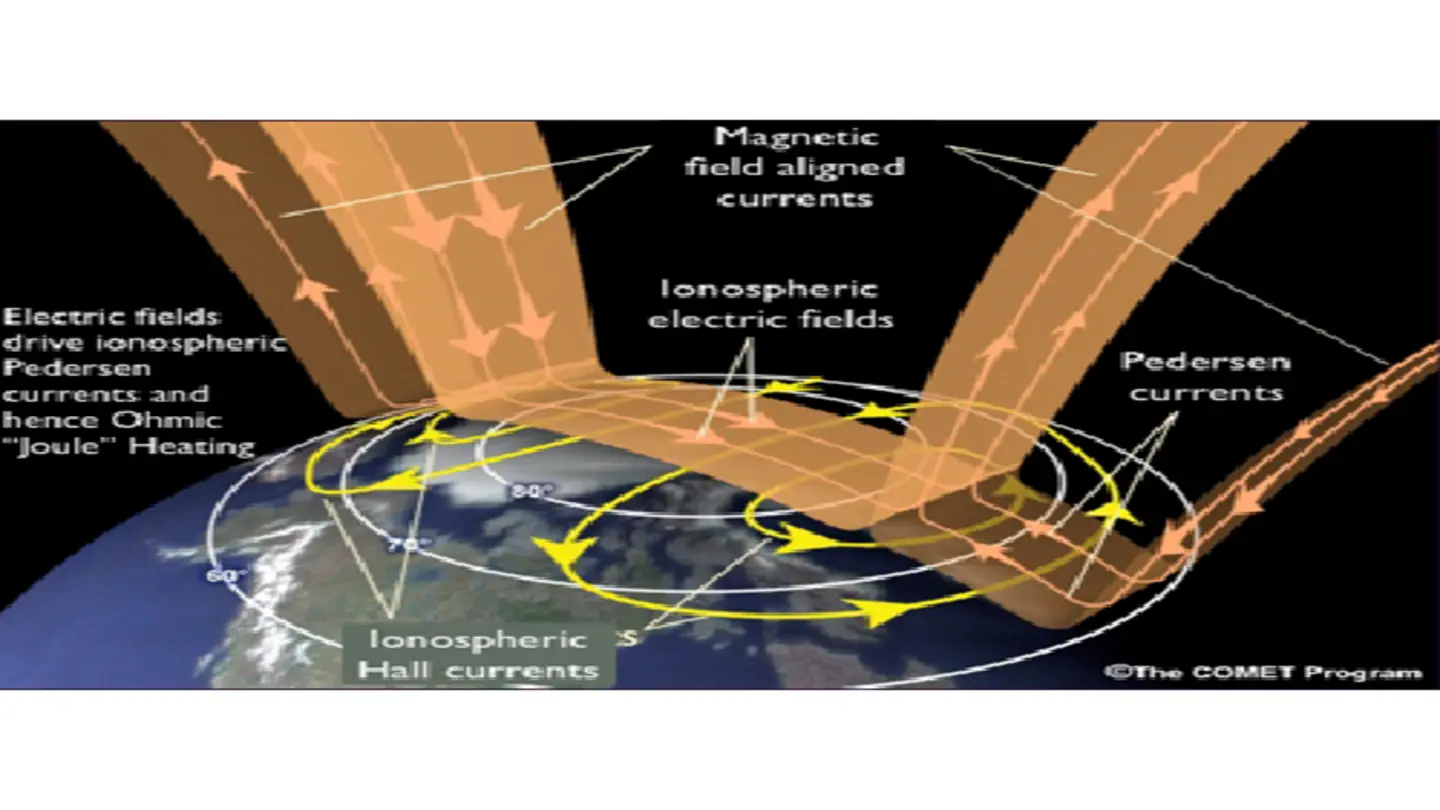
Field-aligned currents are electric currents that flow primarily along magnetic field lines in the ionosphere – a region of the upper atmosphere extending from approximately 60 to 1000 kilometers above the Earth’s surface. These currents are driven by the interaction between the solar wind, the Earth’s magnetic field, and the ionosphere’s composition. The solar wind constantly bombards the Earth with charged particles, which interact with the magnetosphere and, in turn, influence the ionosphere’s electrical state.
BBF events, on the other hand, are characterized by rapid, large-scale movements of the ionosphere, often spanning hundreds to thousands of kilometers. These movements are thought to be triggered by the interaction of the solar wind with the magnetosphere, leading to disturbances in the Earth’s magnetic field and subsequent changes in the ionosphere’s electrical structure. The exact mechanisms driving BBFs are still under investigation, but they are increasingly recognized as a significant factor in space weather variability.
The findings of this study provide valuable insights into the complex interplay between the solar wind, the magnetosphere, and the ionosphere. By establishing a clear link between field-aligned currents and BBF events, the researchers have taken a significant step towards improving our understanding of space weather and its potential effects. Further research is needed to investigate the specific characteristics of these currents and their role in triggering BBFs, as well as to develop more accurate models for predicting these events.
The research team plans to continue their investigation by incorporating additional data sources and refining their statistical analysis techniques. They also intend to explore the potential impact of BBF events on various technological systems, including satellite communications, GPS navigation, and power grids. Ultimately, a deeper understanding of these phenomena will be essential for mitigating the risks associated with space weather and ensuring the reliable operation of critical infrastructure.
Image Source: Google | Image Credit: Respective Owner