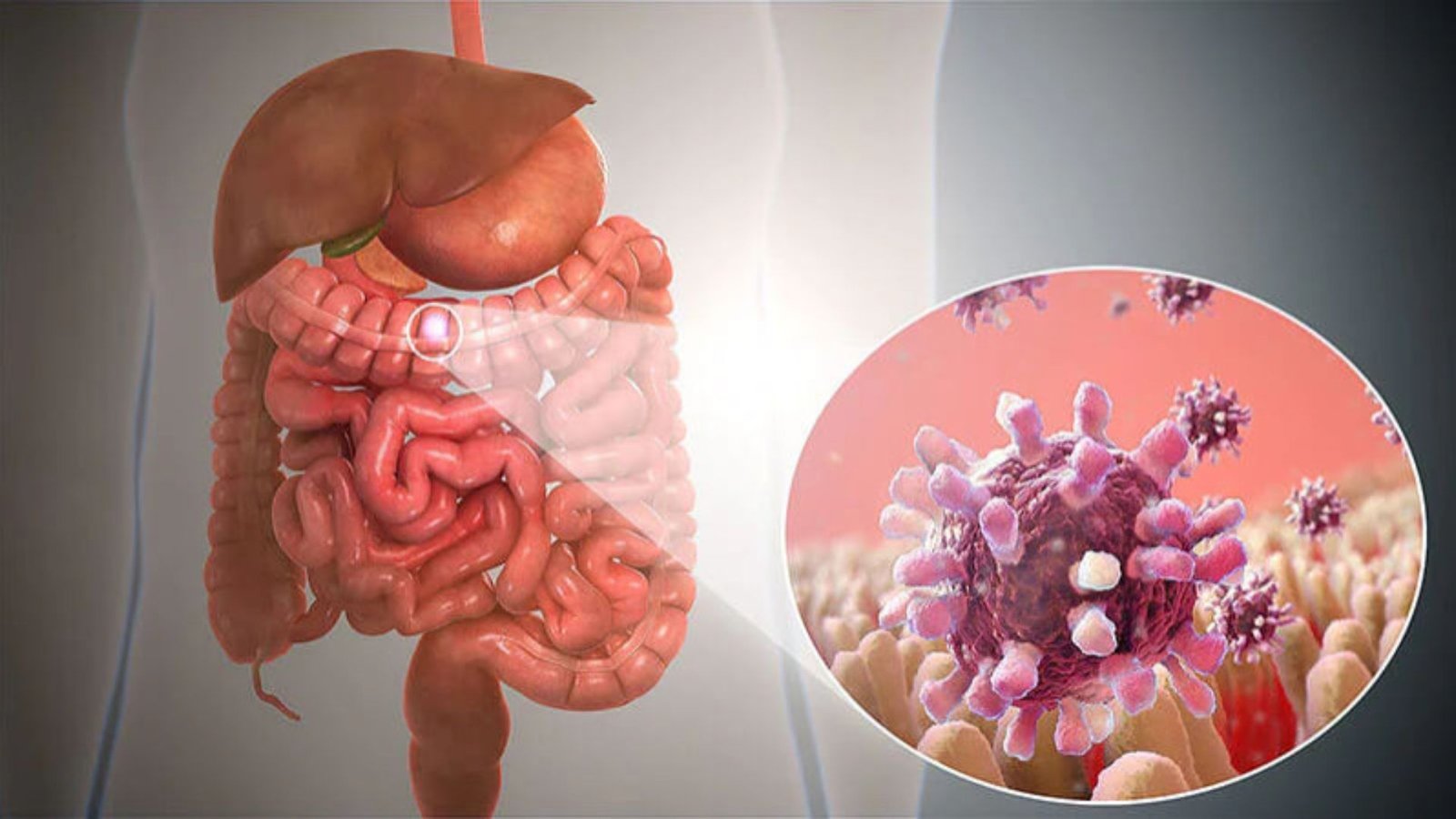
Intestinal parasites, unwelcome guests in our digestive systems, can cause a range of unpleasant symptoms. Understanding these symptoms is crucial for early detection and treatment. A gastroenterologist has shed light on the common indicators of parasitic infections, helping individuals recognize potential problems and seek timely medical attention.
Common Symptoms of Intestinal Parasites
Several symptoms may indicate the presence of intestinal parasites. These can vary depending on the type of parasite and the severity of the infection. Some of the most frequently reported symptoms include persistent diarrhea, abdominal pain, bloating, and nausea. Changes in bowel habits, such as increased frequency or constipation, can also occur.
Unexplained weight loss is another significant symptom. Parasites can interfere with nutrient absorption, leading to deficiencies and subsequent weight reduction. Fatigue and weakness are also common, as the body struggles to cope with the infection and nutrient malabsorption. Some individuals may experience anal itching, particularly at night, due to certain parasites laying eggs in the anal area.
In some cases, intestinal parasites can cause more severe symptoms, such as vomiting, fever, and the presence of blood or mucus in the stool. These symptoms warrant immediate medical attention.
How Parasitic Infections Occur
Parasitic infections typically occur through the ingestion of contaminated food or water. Poor hygiene practices, such as inadequate handwashing, can also contribute to the spread of parasites. Consuming undercooked meat, especially pork, beef, and fish, is a common risk factor. Traveling to regions with poor sanitation increases the likelihood of exposure.
Diagnosis and Treatment
Diagnosing intestinal parasites usually involves a stool test, where a sample of stool is examined under a microscope to identify the presence of parasites or their eggs. In some cases, blood tests or imaging studies may be necessary. Once diagnosed, parasitic infections are typically treated with antiparasitic medications. The specific medication and duration of treatment depend on the type of parasite and the severity of the infection.
Prevention is Key
Preventing intestinal parasitic infections is crucial. Practicing good hygiene, including thorough handwashing with soap and water, is essential. Always wash your hands before preparing food, after using the toilet, and after touching animals or contaminated surfaces. Ensure that food is cooked to the appropriate temperature, especially meat. Drink clean, safe water, and avoid consuming raw or undercooked food when traveling to areas with poor sanitation. By being vigilant and proactive, you can significantly reduce your risk of contracting intestinal parasites and maintain your overall health and well-being.
Image Source: Google | Image Credit: Respective Owner