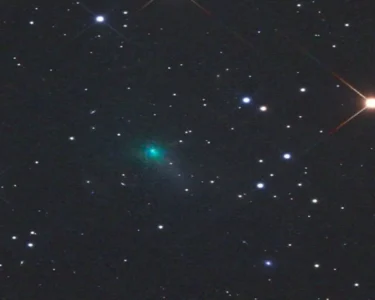
Harvard astronomer Avi Loeb discusses the possibility of material from the interstellar object 3I/ATLAS reaching Earth in the coming weeks. The comet, discovered in 2022, is currently traversing the solar system and is expected to make its closest approach to the sun in late September and early October.
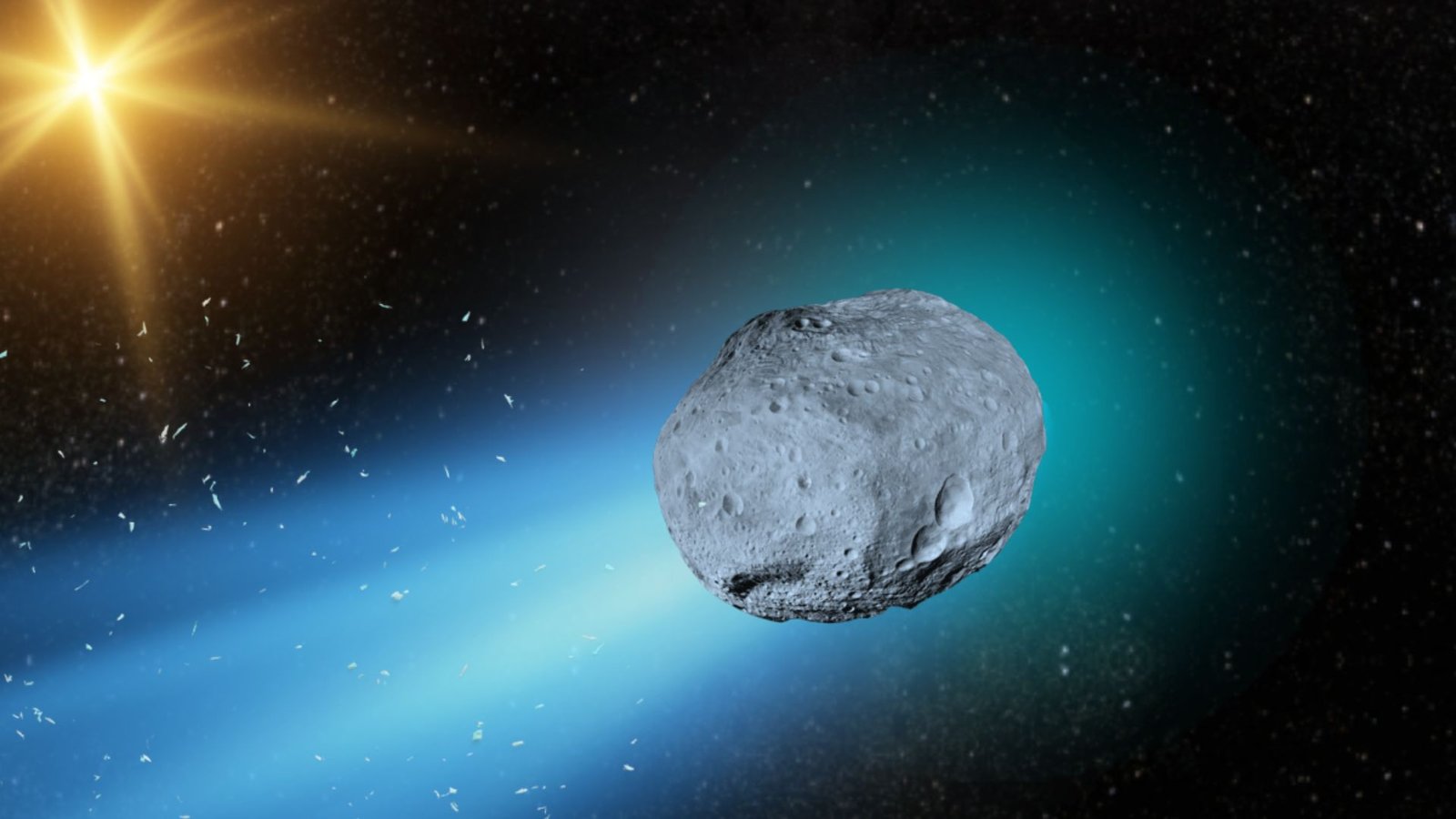
Loeb, known for his research on interstellar objects and his theories regarding the potential for extraterrestrial life, posits that debris shed by 3I/ATLAS could enter Earth’s atmosphere. Unlike typical comets composed largely of ice, 3I/ATLAS appears to be a rocky object, more akin to a near-Earth asteroid. This composition, combined with its size and origin, contributes to the unique probabilities surrounding a potential impact.
The comet is reportedly coming from the Oort cloud, a vast, hypothetical shell of icy objects surrounding the solar system. Its hyperbolic trajectory indicates it wasn’t gravitationally bound to our sun beforehand, marking it as a visitor from interstellar space. While most interstellar objects pass through without incident, the fragmentation of 3I/ATLAS, which occurred earlier than expected, significantly raises the chances of Earth encountering its remnants.
Loeb detailed the calculations behind this assessment in a recent Medium post. He notes that the Earth will pass through the comet’s trail, which is a stream of particles released during its journey, around January 2024. The composition of the material is a key area of interest. Analyzing debris from an object originating outside our solar system could provide invaluable insights into the building blocks of other planetary systems.
Potential for Scientific Discovery
He emphasizes that even small fragments entering the atmosphere could be captured with appropriate instruments allowing for material analysis. This could reveal information about the conditions in the interstellar medium and the chemical makeup of the planetary system from which 3I/ATLAS originated. Loeb advocates for a dedicated observing campaign using existing telescopes and potentially specialized collection systems on high-altitude balloons or aircraft.
The speed at which these fragments might enter the atmosphere is also crucial. Faster entries lead to more dramatic, albeit smaller, burning up, while slower ones could yield larger, more recoverable pieces. The estimated velocity of the particles within the trail suggests they will be entering Earth’s atmosphere at ordinary meteor speeds.
Loeb acknowledges the low probability of recovering significant material, stating that most debris will likely burn up upon entry. However, he maintains that the scientific reward justifies the effort. The opportunity to study a truly interstellar object up close is incredibly rare.
While major space agencies haven’t publicly announced specific plans for collecting or analyzing 3I/ATLAS debris, Loeb hopes his advocacy will spur increased observation and potential collection attempts. The event presents a unique chance to advance our understanding of the universe beyond our solar system & potentially reveal clues about its origins. He also stresses that this isn’t necessarily a cause for alarm, but a chance for scientific exploration.
Image Source: Google | Image Credit: Respective Owner