New images of the interstellar object 3I/ATLAS reveal that its coma is expanding and exhibiting unusual features, according to reports from The Economic Times. This celestial body, which originated from outside our solar system, continues to intrigue scientists with its unique characteristics and behavior as it traverses through our cosmic neighborhood. The observations provide valuable insights into the composition and dynamics of objects formed in other star systems.
3I/ATLAS was first discovered in 2017 and has since been the subject of intense scrutiny by astronomers worldwide. Its highly eccentric orbit and hyperbolic trajectory confirmed its interstellar origin, making it only the second such object ever detected, after ‘Oumuamua. Unlike ‘Oumuamua, which appeared as a rocky or metallic object, 3I/ATLAS exhibits cometary activity, displaying a coma – a hazy atmosphere surrounding the nucleus – and a tail caused by the sublimation of volatile compounds.
Unusual Features and Expanding Coma
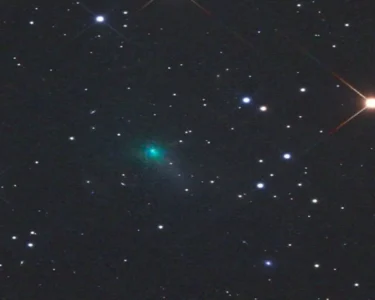
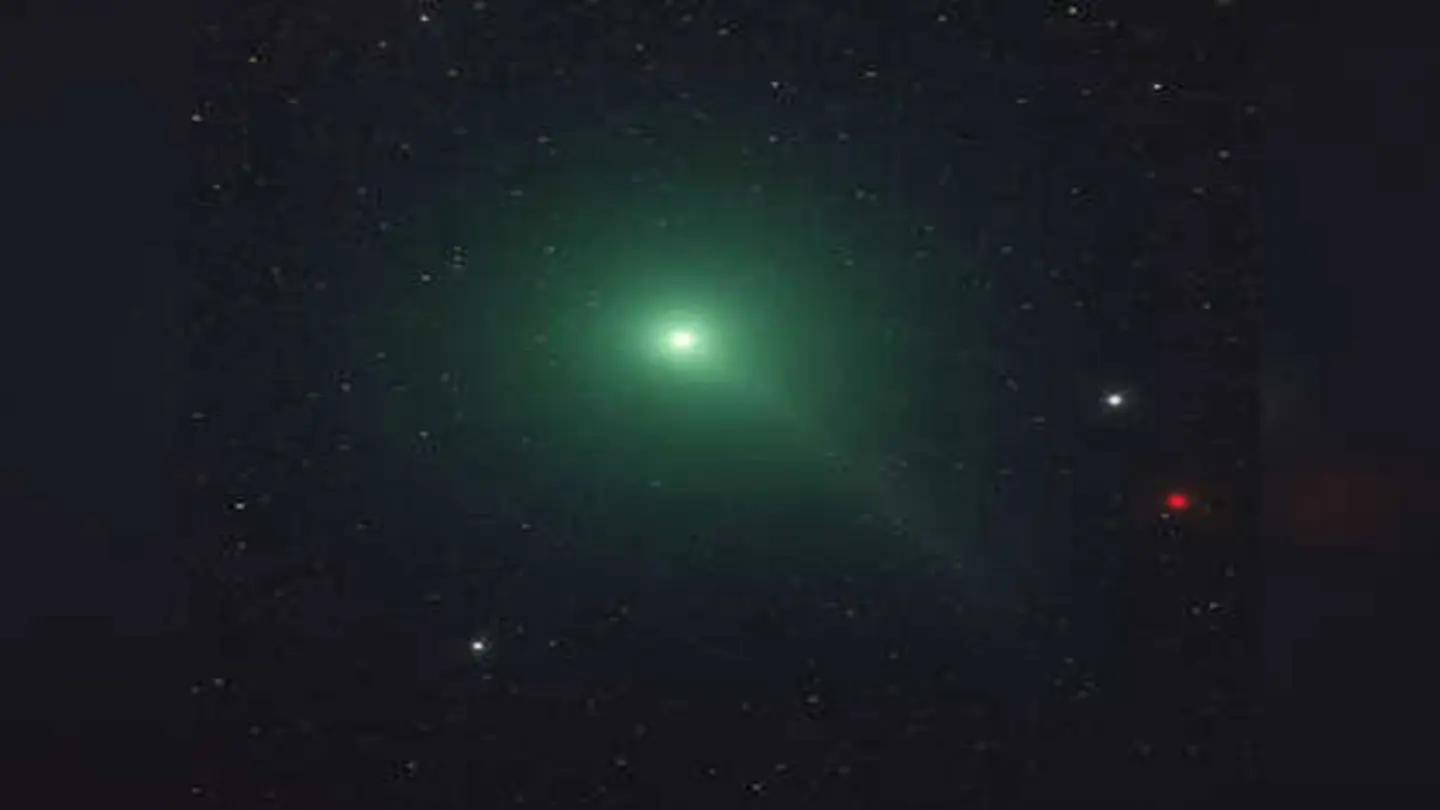
Recent observations have highlighted the expanding nature of 3I/ATLAS’s coma, indicating ongoing activity and the release of gases and dust from its surface. The images also reveal unusual features within the coma, which scientists are actively studying to understand the processes driving its evolution. These features could be related to the object’s composition, rotation, or interaction with the solar wind and radiation.
The raw frames captured by telescopes offer a glimpse into the intricate details of this interstellar visitor. Analyzing these data helps researchers determine the object’s size, shape, and chemical makeup, providing clues about its formation environment and history. The findings could shed light on the diversity of planetary systems beyond our own and the prevalence of interstellar objects in the galaxy.
The study of 3I/ATLAS contributes to our understanding of the exchange of materials between star systems and the potential for interstellar transfer of prebiotic molecules, which could have implications for the origin of life. As 3I/ATLAS continues its journey through our solar system, scientists will continue to monitor its behavior and gather more data to unravel the mysteries of this fascinating interstellar traveler. Future observations using advanced telescopes and space-based observatories promise even more detailed insights into its properties and origins.
The ongoing research on 3I/ATLAS underscores the importance of continued exploration and monitoring of the skies for other interstellar objects that may visit our solar system. Each such discovery provides a unique opportunity to learn about the formation and evolution of planetary systems throughout the galaxy and the potential for interstellar connections.
Image Source: Google | Image Credit: Respective Owner