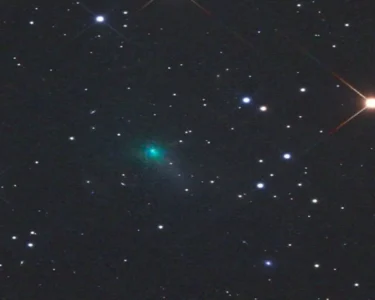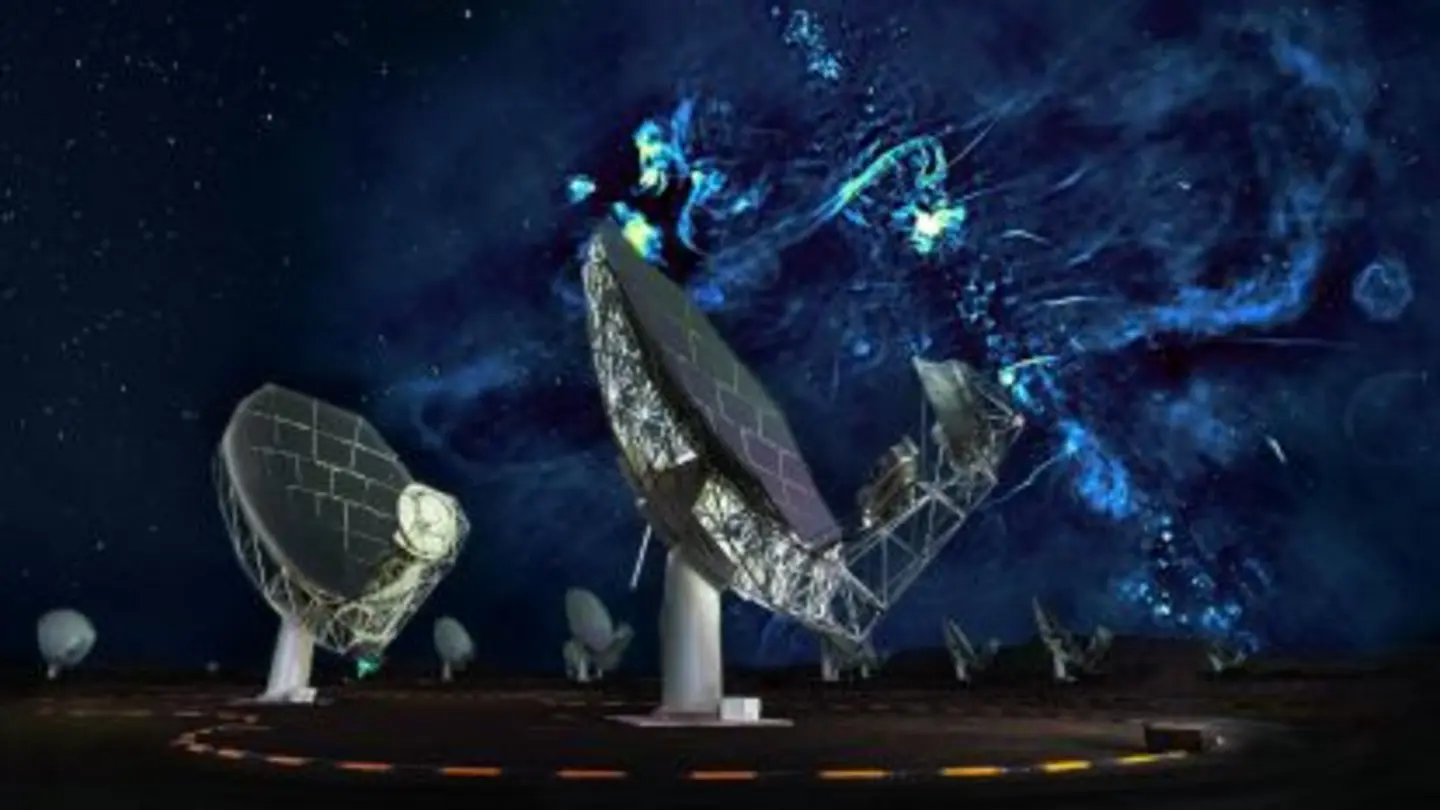
Scientists have detected a radio signal from interstellar comet 3I/ATLAS, debunking theories that it was an alien craft. The findings, published in Nature Astronomy, reveal the presence of hydrogen cyanide and other molecules, confirming the comet’s natural origin. The research team, led by Dr. Martin Cordiner at NASA’s Goddard Space Flight Center, used the Atacama Large Millimeter/submillimeter Array (ALMA) in Chile to analyze the comet’s composition.
Interstellar Visitor Unveiled
Comet 3I/ATLAS was first discovered in 2019 and quickly became a subject of intense scientific scrutiny due to its interstellar nature, meaning it originated from outside our solar system. This characteristic set it apart from typical comets and fueled speculation about its origins and composition. The detection of a radio signal further intensified interest, prompting some to suggest the possibility of artificial signals linked to extraterrestrial technology. However, the recent research firmly establishes the comet as a natural celestial object.
The analysis of the radio signal focused on identifying specific molecular signatures. Hydrogen cyanide (HCN) was detected in significant quantities, alongside other organic molecules such as carbon monoxide (CO). These molecules are commonly found in comets formed within our solar system and are considered building blocks for more complex organic compounds. The presence of these molecules in comet 3I/ATLAS supports the hypothesis that it formed in a similar environment to comets within our solar system, albeit around a different star.
Implications for Understanding Comet Formation
The study provides valuable insights into the formation and composition of comets in other star systems. By comparing the molecular makeup of 3I/ATLAS with comets in our solar system, scientists can gain a better understanding of the conditions that lead to comet formation. The similarities suggest that the process of comet formation may be universal, occurring in similar ways around different stars. However, the differences in the relative abundances of certain molecules could indicate variations in the environments in which comets are formed.
Further research is planned to analyze other interstellar comets and asteroids that may enter our solar system in the future. These studies will contribute to a more comprehensive understanding of the diversity of celestial objects in our galaxy and the processes that shape them. The discovery and analysis of 3I/ATLAS have opened a new window into the study of interstellar objects, providing valuable data for astronomers and planetary scientists.
Ultimately, the findings highlight the importance of rigorous scientific investigation in debunking extraordinary claims. While the idea of an alien craft originating from another star system is captivating, the scientific evidence clearly points to a natural explanation for the radio signal detected from comet 3I/ATLAS. The detailed analysis of its molecular composition has provided valuable insights into the nature of interstellar objects and the processes that govern comet formation.
Image Source: Google | Image Credit: Respective Owner