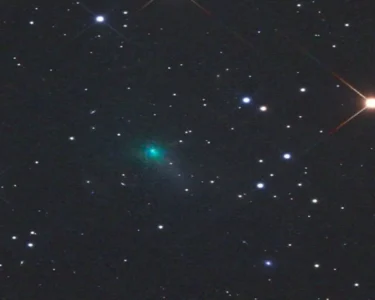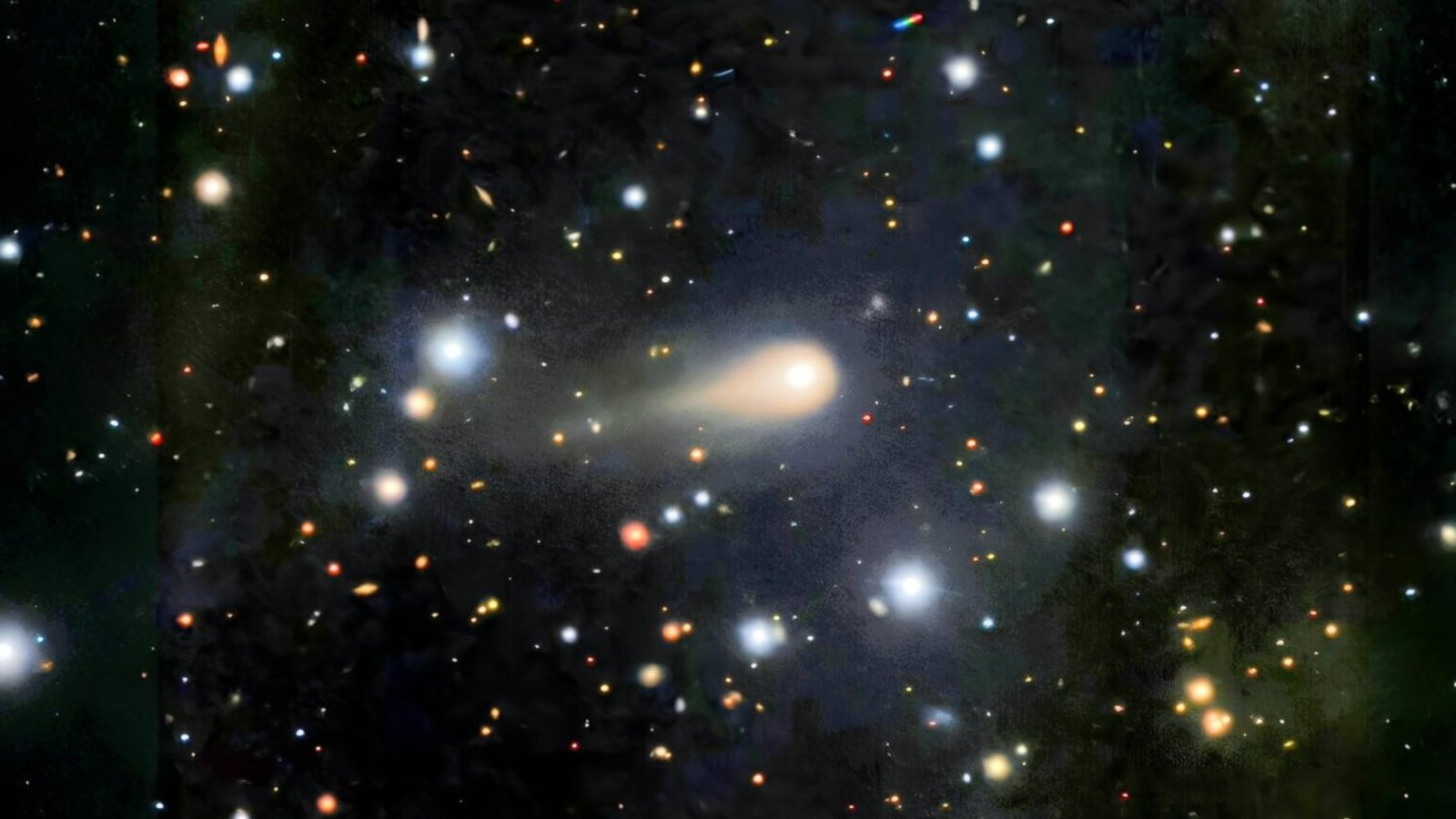
Interstellar comet 3I/Atlas, a celestial wanderer from beyond our solar system, is facing a potential tail-loss event as it journeys closer to the Sun. According to WION, the comet is experiencing intense solar radiation, which could lead to the sublimation of its icy components and a subsequent diminishing of its characteristic tail. This phenomenon is not uncommon for comets as they approach the Sun, but the interstellar origin of 3I/Atlas makes this event particularly noteworthy for scientists.
Cometary Composition and Solar Interaction
Comets are often described as “dirty snowballs,” composed primarily of ice, dust, and rocky material. As a comet approaches the Sun, the heat causes the ice to turn directly into gas, a process called sublimation. This gas, along with dust particles, is then swept away by the solar wind and radiation pressure, forming the comet’s distinctive tail. The intensity of the solar radiation and the comet’s composition play critical roles in determining the size and brightness of the tail.
3I/Atlas, discovered in 2019, is only the second interstellar comet ever observed. Its unique origin offers a rare opportunity to study the composition and characteristics of objects formed in other star systems. The current interaction with our Sun provides valuable insights into how interstellar comets behave in the presence of a star’s energy.
Potential Tail Loss
The potential loss of 3I/Atlas’s tail is a direct consequence of the increasing solar radiation it is experiencing. The sublimation process is accelerating, causing the comet to shed more material. If the rate of sublimation exceeds the rate at which new material is being released, the tail could diminish significantly or even disappear entirely. However, it’s important to note that the tail’s appearance can also be affected by the angle from which we observe it from Earth.
Scientific Significance
While the prospect of a disappearing tail might seem disappointing, it offers scientists a unique opportunity to study the comet’s composition and structure. By observing the changes in the comet’s brightness and the composition of the gas and dust being released, researchers can gain a better understanding of the materials that make up 3I/Atlas. This information can then be compared to the composition of comets within our own solar system, providing clues about the formation and evolution of planetary systems.
The observation of interstellar objects like 3I/Atlas is still a relatively new field in astronomy. Each new encounter provides valuable data that helps scientists refine their models of planetary formation and the distribution of matter throughout the galaxy. As 3I/Atlas continues its journey through our solar system, astronomers will be closely monitoring its behavior, hoping to unlock more secrets of the cosmos.
Ultimately, whether or not 3I/Atlas loses its tail entirely, the event serves as a reminder of the dynamic and ever-changing nature of comets and the valuable scientific insights they provide.
Image Source: Google | Image Credit: Respective Owner