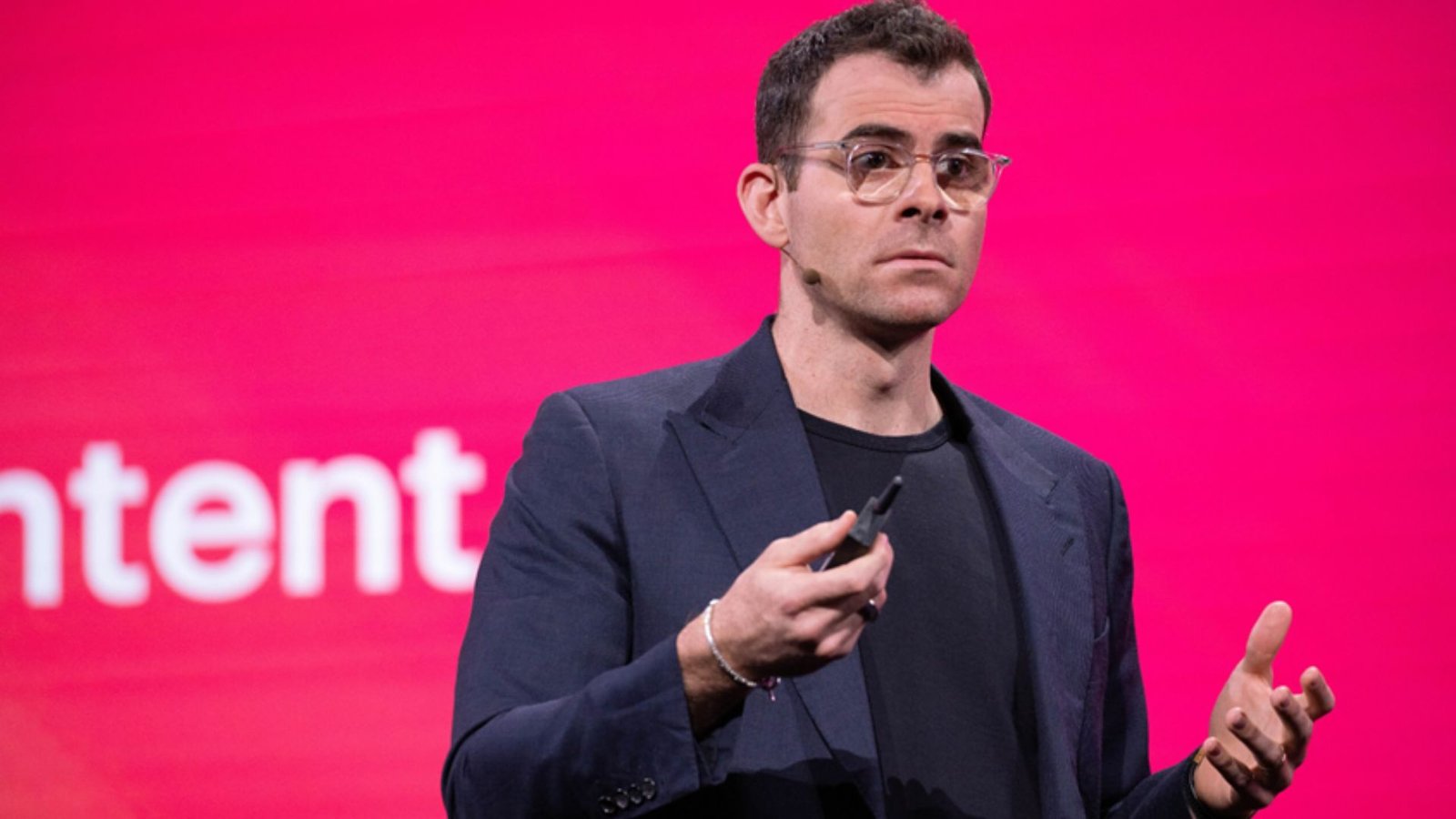
Instagram head Thomas Suiter has voiced concerns about the rapid advancement of artificial intelligence (AI) image generation, stating the platform is struggling to keep pace with the evolving technology. Speaking at the AI-powered Future of Retail conference in Miami, Suiter acknowledged the impressive quality and sophistication of AI-generated images but warned about the implications for authenticity and the overall user experience on Instagram.
The core of Suiter’s worry centers on the difficulty of detecting AI-created content. As AI models become increasingly adept at producing realistic visuals, distinguishing them from photos and videos captured by real people is becoming exponentially harder. This poses a significant challenge to Instagram’s efforts to maintain a genuine and trustworthy environment for its users. The platform currently employs methods to flag AI-generated content, particularly images depicting public figures, but Suiter admitted these measures are becoming less effective.
Impact on Creators and Authenticity
Suiter highlighted the potential impact on content creators, noting that the flood of readily available, AI-generated images could devalue original work. If anyone can create visually appealing content with minimal effort, the incentive for skilled photographers, videographers, and artists to share their creations on Instagram might diminish. Beyond creator impact, the broader question of authenticity weighs heavily on the platform. A key appeal of Instagram is its portrayal of real life and personal experiences. The proliferation of undetectable AI-generated images threatens this foundation.
He specifically points to the ability of AI to generate convincing deepfakes – manipulated images and videos that convincingly impersonate individuals – as a critical concern. While Instagram has policies prohibiting misleading or deceptive content, enforcing these rules in the face of increasingly realistic AI creations is a complex undertaking. The platform is exploring various technical solutions, including watermarking and AI detection tools, but Suiter emphasized that there is no easy fix.
The discussion also touched upon the ethical implications of AI-generated content. Concerns about copyright infringement, the spread of misinformation, and the potential for malicious use are becoming increasingly urgent. Instagram, like other social media platforms, is under pressure to proactively address these issues and establish guidelines for the responsible use of AI technology.
Suiter’s remarks underscore the broader industry struggle to navigate the rapid rise of AI. Many companies are grappling with how to leverage the benefits of AI – increased efficiency, creativity, and personalization – while simultaneously mitigating the risks associated with its misuse. Instagram’s challenge is particularly acute, given its visual focus and the importance of authenticity to its user base. The platform indicated it’s actively researching how other companies are approaching tackling this issue and, crucially, collaborating with AI companies themselves to find potential solutions. He further stated that transparency concerning AI usage will be critical, suggesting possible future features allowing users to identify if content is AI-generated. The company’s ongoing response will be vital in determining the future of visual content on the platform.
Image Source: Google | Image Credit: Respective Owner