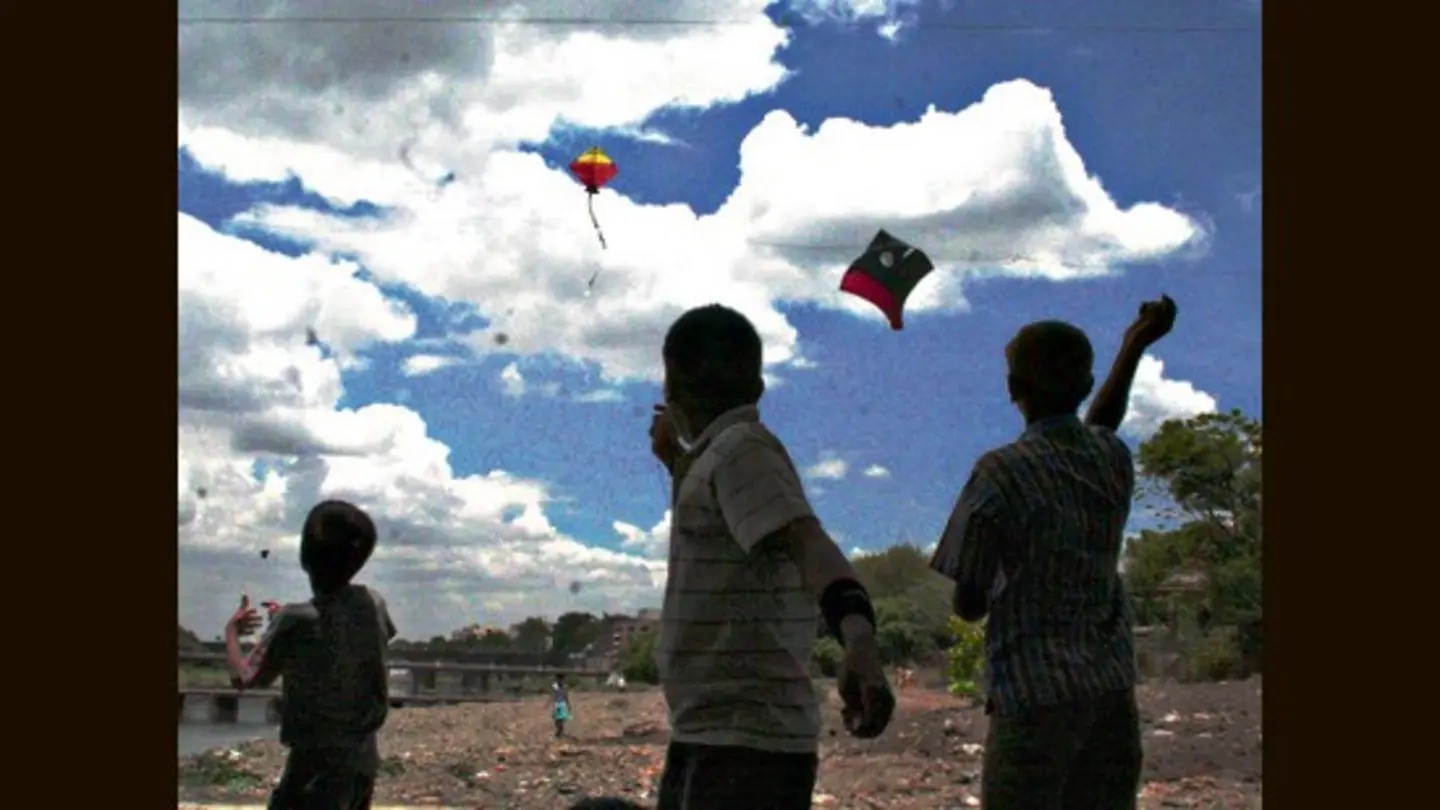
Indore, Madhya Pradesh, is grappling with another fatality attributed to the banned practice of using manja, a glass-coated kite string, ahead of the Makar Sankranti festival. A motorcyclist was killed on Wednesday after his throat was slit by the dangerously sharp string while riding near the Bengali Square area. Police have identified the victim as Yash Sahu, a 22-year-old resident of Indore.
The incident occurred around 2:30 PM when Sahu was navigating the bustling streets. The manja, discarded or flown recklessly near the road, became entangled in his vehicle, ultimately leading to the fatal injury. Despite immediate efforts, Sahu succumbed to his wounds en route to the hospital. This latest death underscores the persistent danger posed by manja, despite a nationwide ban imposed to prevent such tragedies.
Authorities have launched an investigation into the incident, seeking to identify those responsible for flying kites with manja in the prohibited zone. Strict enforcement of the ban is supposed to be in place leading up to Makar Sankranti, a major kite-flying festival celebrated across India. However, illegal sale and use of manja continue to be a problem, particularly in densely populated areas like Indore.
Recurring Problem & Prior Incidents
This isn’t an isolated case. Indore, and Madhya Pradesh more broadly, has seen a worrying number of such incidents in the past, prompting continuous appeals from law enforcement and animal rights activists for stricter adherence to the ban. In previous years, birds, especially kites and pigeons, have been severely injured and killed by the abrasive strings, leading to widespread public outcry. The use of synthetic or metallic manja is particularly dangerous as it doesn’t break easily and can cause significant damage.
Local police officials have stated that they are intensifying patrols and conducting raids to seize illegal manja. They are also urging citizens to report any instances of manja being flown or sold. The district administration has issued public notices reminding residents of the legal repercussions associated with violating the ban, which include imprisonment and monetary fines.
Activists argue that the existing penalties are insufficient to deter offenders and are advocating for harsher punishments. They also emphasize the need for greater awareness campaigns to educate the public, especially younger generations, about the dangers of manja and the importance of responsible kite-flying practices. The focus should be on promoting traditional, safer forms of kite string made from cotton or paper.
The incident has once again ignited the debate surrounding the enforcement of the manja ban and the need for more effective measures to ensure public safety during the Makar Sankranti celebrations. Families of past victims have expressed their grief and frustration, demanding that authorities take decisive action to prevent further loss of life. As Makar Sankranti approaches, the authorities are under immense pressure to control the illegal manja trade and protect citizens from this preventable danger. The case highlights the challenges in completely eradicating a deeply ingrained cultural practice, even when it poses a mortal threat.
Image Source: Google | Image Credit: Respective Owner