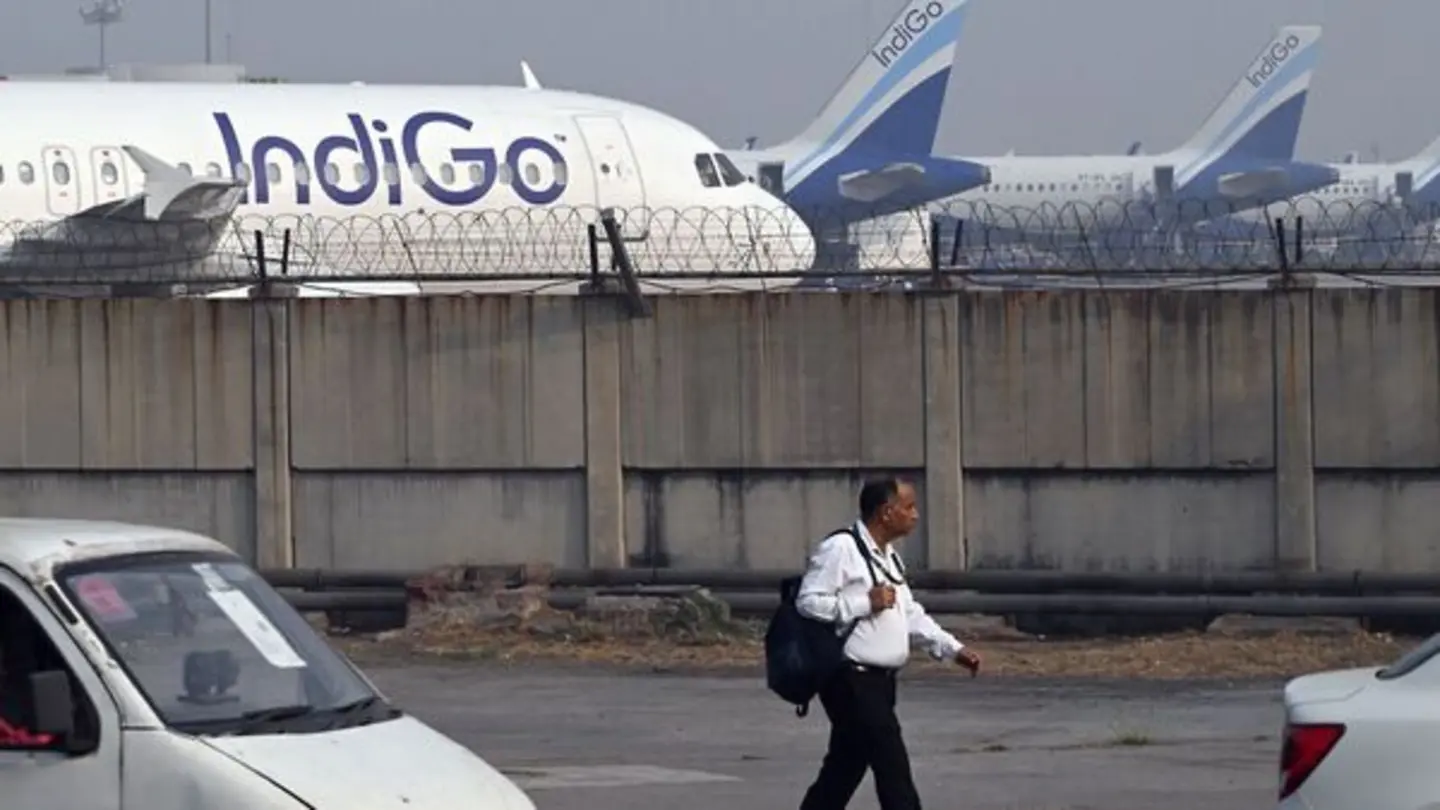
IndiGo, India’s largest airline, reported a wider net loss for the second quarter of fiscal year 2024, primarily due to a sharp increase in foreign exchange costs. Despite the loss, the airline witnessed a 9.3% rise in revenue. Here’s a breakdown of the key highlights from IndiGo’s Q2 results.
Financial Performance
The airline’s net loss widened significantly compared to the same period last year. This increase is attributed to substantial fluctuations in foreign exchange rates, impacting costs related to aircraft leases, fuel, and other international transactions. However, IndiGo managed to increase its revenue through a combination of higher passenger numbers and improved yields. The company’s efforts to optimize its network and enhance operational efficiency contributed to this positive revenue growth.
Operational Highlights
IndiGo continued to expand its network, adding new domestic and international routes during the quarter. This expansion aims to cater to the growing demand for air travel, both within India and to popular international destinations. The airline maintained a strong focus on operational efficiency, aiming to minimize delays and improve on-time performance. IndiGo’s commitment to providing affordable fares while maintaining a reliable service has been a key factor in its success.
Passenger Growth
The airline experienced significant passenger growth, reflecting the overall recovery of the aviation sector following the pandemic. Increased travel demand, particularly during the festive season, boosted passenger numbers. IndiGo’s extensive network and competitive pricing have made it a preferred choice for many travelers. The airline also benefited from the increasing number of first-time flyers and the growing popularity of air travel among middle-class Indians.
Challenges and Outlook
Despite the positive trends, IndiGo faces ongoing challenges, including fluctuating fuel prices and the volatility of the Indian rupee. The airline is actively managing these risks through hedging strategies and cost-control measures. The outlook for the aviation sector remains positive, with continued growth expected in passenger numbers and revenue. IndiGo is well-positioned to capitalize on this growth, thanks to its strong brand, extensive network, and efficient operations. The airline’s long-term strategy includes further expanding its international presence and investing in new technologies to enhance the customer experience.
The airline is also focusing on sustainability initiatives, including reducing its carbon footprint and investing in more fuel-efficient aircraft. IndiGo remains committed to providing affordable and reliable air travel to its customers while navigating the challenges of the aviation industry. The company’s Q2 results demonstrate its resilience and its ability to adapt to changing market conditions.
Image Source: Google | Image Credit: Respective Owner