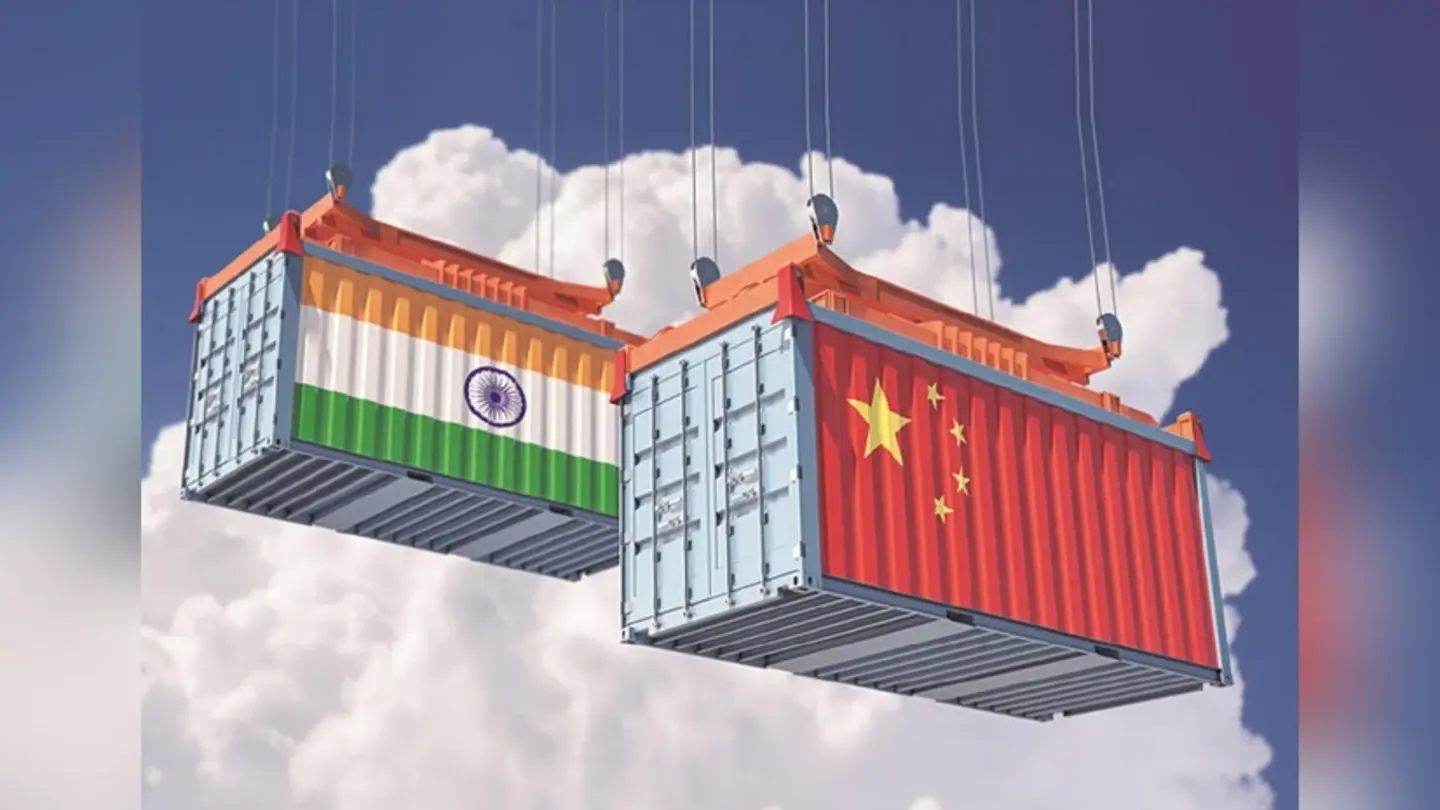
India’s trade deficit has widened to a record high, driven by a surge in imports fueled by robust domestic demand. The latest data reveals a significant gap between exports and imports, reflecting the country’s growing appetite for goods and services from abroad. This development has implications for India’s economic growth, currency stability, and trade policies.
Key Drivers of the Trade Deficit
Several factors have contributed to the widening trade deficit. Firstly, increased economic activity within India has spurred demand for raw materials, intermediate goods, and finished products. Secondly, rising global commodity prices, particularly for crude oil and metals, have inflated the value of imports. Thirdly, the strengthening of the Indian rupee against other currencies has made imports relatively cheaper, further boosting their volume.
The rise in imports is not necessarily a negative indicator. It suggests that businesses are investing in expanding production capacity and consumers are increasing their spending, both of which are signs of a healthy economy. However, a large and persistent trade deficit can create challenges for policymakers.
Impact on the Economy
A widening trade deficit can put downward pressure on the Indian rupee, as increased demand for foreign currencies to pay for imports can weaken the local currency. A weaker rupee can, in turn, make imports more expensive and exports more competitive. However, it can also fuel inflation by raising the cost of imported goods and services.
The government and the Reserve Bank of India (RBI) are closely monitoring the situation. The RBI may intervene in the foreign exchange market to stabilize the rupee and manage inflationary pressures. The government may also consider measures to boost exports, such as providing incentives to exporters and negotiating trade agreements with other countries.
Future Outlook
The trajectory of India’s trade deficit will depend on several factors, including global economic conditions, commodity prices, and domestic demand. As the global economy recovers, demand for Indian exports is expected to increase, which could help narrow the trade deficit. However, continued increases in commodity prices and strong domestic demand could offset these gains.
The government is focused on promoting domestic manufacturing and reducing dependence on imports through initiatives such as ‘Make in India’. These efforts aim to enhance India’s export competitiveness and reduce its trade imbalance over the long term. The current situation underscores the need for a balanced approach, focusing on both boosting exports and managing import demand to ensure sustainable economic growth.
Economists predict that India’s import surge will continue given the nation’s economic growth and population size. Finding ways to offset the widening gap, through increased exports or domestic production, remains a key challenge.
Image Source: Google | Image Credit: Respective Owner