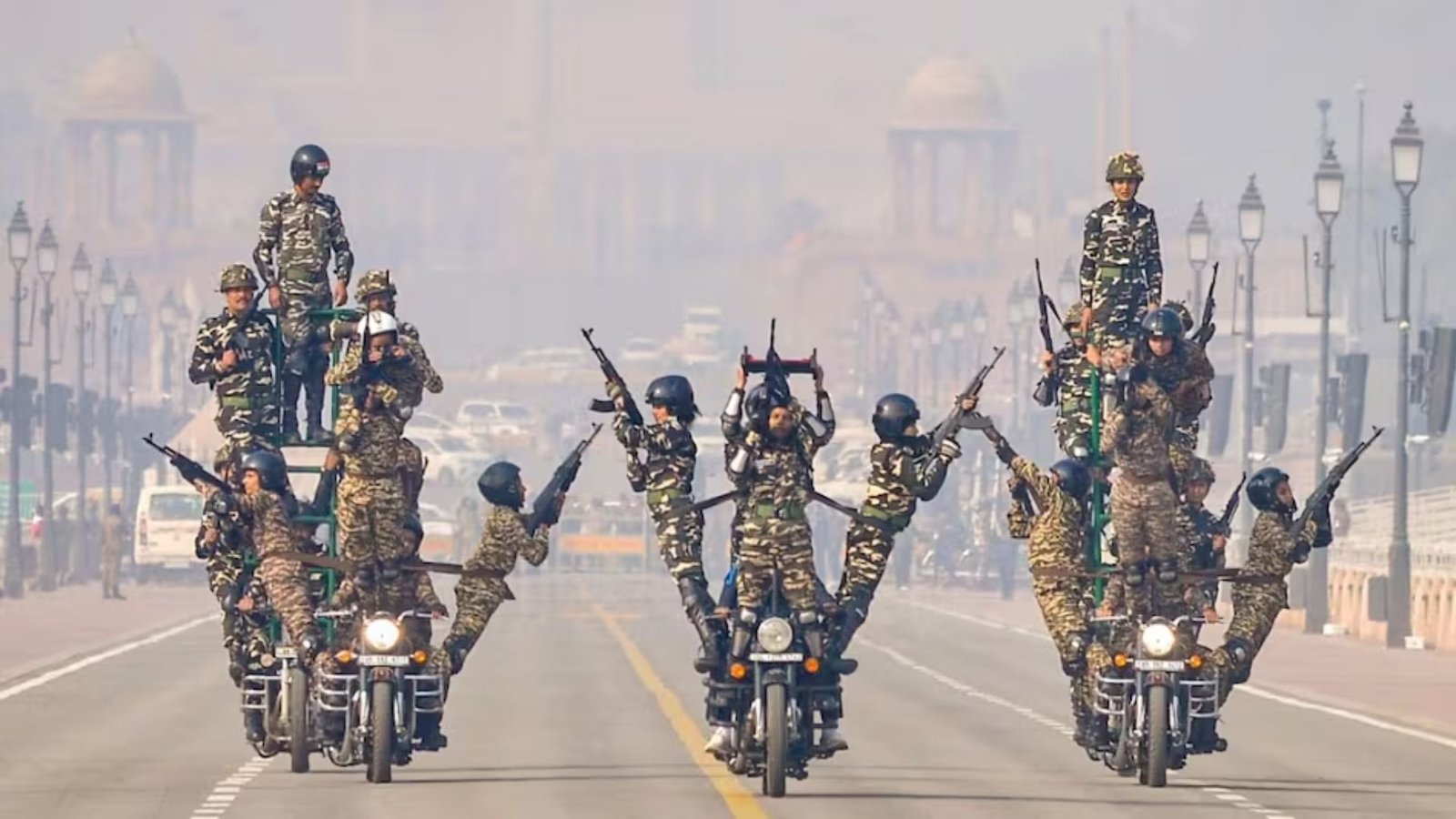
India’s Republic Day parade on January 26th is a grand display of the nation’s military prowess, cultural diversity, and democratic ideals. A key element of the celebrations is the presence of a foreign dignitary as the Chief Guest, a tradition that began in 1950. But how does India decide who receives this prestigious invitation? The selection process is a carefully considered diplomatic exercise, reflecting India’s foreign policy objectives and strategic partnerships.
Initially, the choice of Chief Guest was largely influenced by nations that had recently established diplomatic ties with India or played a significant role in its independence movement. The first Republic Day parade in 1950 featured Sukarno, the President of Indonesia, a nation that had extended considerable support to India during its struggle for freedom. In the early decades, the focus remained on countries with strong historical or political connections.
Over time, the criteria evolved. While historical ties remain important, the selection now prioritizes countries with whom India seeks to strengthen its current relationship. Factors considered include the level of bilateral trade, defense cooperation, shared geopolitical interests, and the overall strategic importance of the nation. The Ministry of External Affairs (MEA) plays a central role in identifying potential candidates, preparing detailed notes on each country, and assessing the implications of inviting a particular leader.
The MEA presents a shortlist of potential Chief Guests to the Prime Minister’s Office (PMO). The PMO then makes the final decision, often taking into account the current international climate and India’s immediate foreign policy priorities. The invitation is typically extended several months in advance to allow the guest to make necessary arrangements.
The selection isn’t without its nuances. India aims for geographical diversity in its choices, ensuring representation from different regions of the world. There’s also a desire to showcase India’s growing global influence by inviting leaders from countries that are economically and politically significant. The guest’s stature and standing on the international stage are also taken into account.
Recent Trends and Notable Guests
In recent years, India has increasingly invited leaders from countries in Southeast Asia, Africa, and the Middle East, reflecting its ‘Neighborhood First’ policy and its focus on strengthening South-South cooperation. Notable recent Chief Guests include Sheikh Hasina (Bangladesh, 2024), Emmanuel Macron (France, 2023), and Cyril Ramaphosa (South Africa, 2019). The 2024 choice of Bangladesh’s Prime Minister is particularly significant given the close ties and shared history between the two nations.
The selection process is also sometimes influenced by symbolic considerations. For example, inviting a leader from a country with a strong democratic tradition can underscore India’s commitment to democratic values. However, practical considerations of diplomacy and strategic partnership usually take precedence. The Republic Day Chief Guest is more than just a spectator; they represent a valued partner in India’s journey on the global stage.
Ultimately, the choice of the Republic Day Chief Guest is a carefully calibrated signal of India’s foreign policy priorities and its vision for a more cooperative and prosperous world. It’s a tradition that continues to evolve, reflecting the changing dynamics of international relations and India’s growing role within them.
Image Source: Google | Image Credit: Respective Owner