India faces a significant public health opportunity to end the HIV/AIDS epidemic by 2030, according to The Sangai Express. Achieving this ambitious goal requires a multi-pronged approach, encompassing prevention, testing, treatment, and addressing social determinants of health.
The current landscape of HIV/AIDS in India presents both challenges and opportunities. While substantial progress has been made in reducing new infections and AIDS-related deaths, persistent disparities exist across different regions and populations. Key populations, including men who have sex with men, transgender individuals, sex workers, and people who inject drugs, bear a disproportionate burden of the epidemic. Reaching these vulnerable groups with targeted interventions is crucial.
Prevention Strategies
Effective prevention strategies are paramount. These include promoting safe sex practices through consistent condom use, expanding access to pre-exposure prophylaxis (PrEP) for individuals at high risk, and implementing comprehensive sexual health education programs. Furthermore, addressing stigma and discrimination surrounding HIV/AIDS is essential to encourage people to get tested and seek treatment.
Testing and Diagnosis
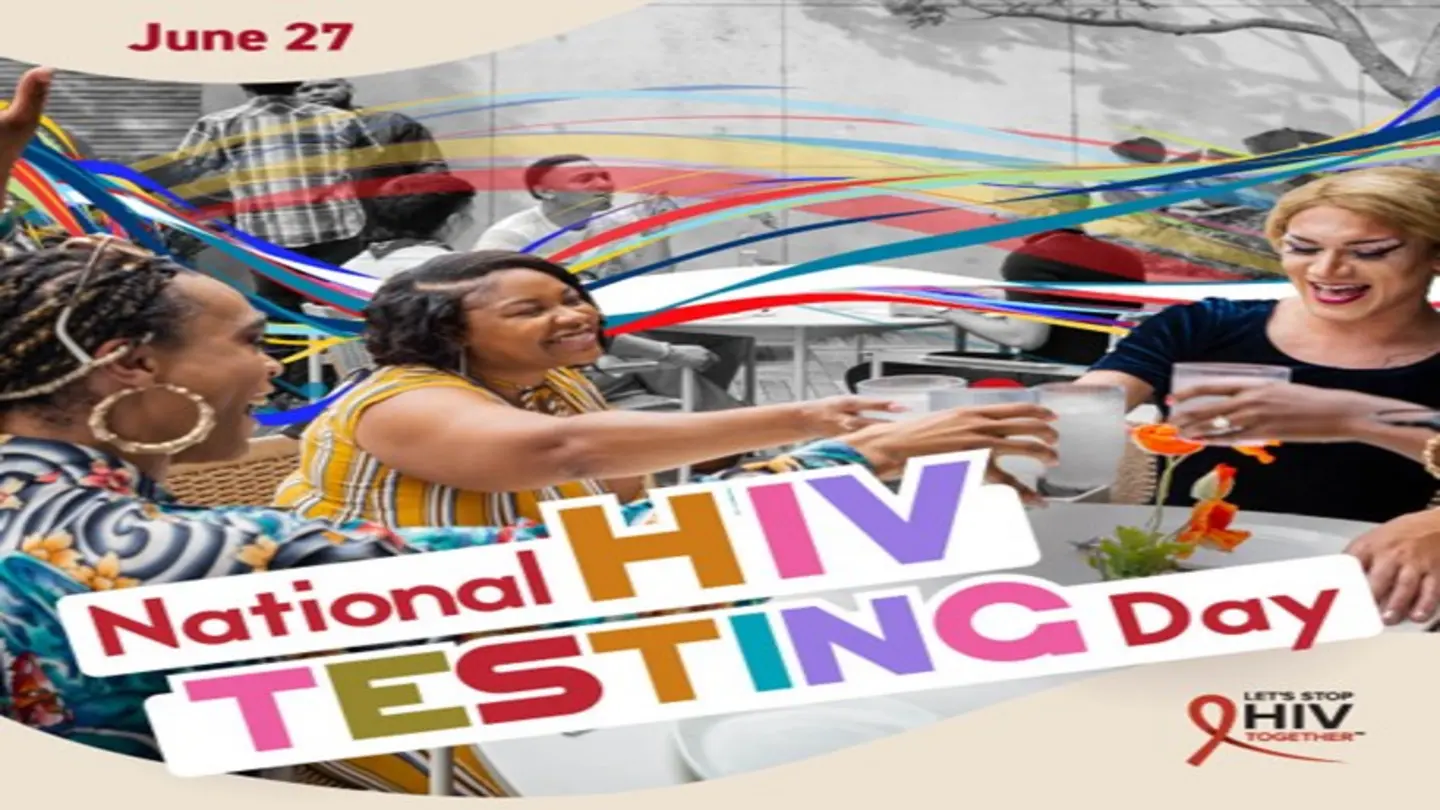
Expanding HIV testing services is vital for early diagnosis and treatment initiation. Innovative approaches, such as self-testing kits and community-based testing programs, can improve access, particularly in remote and underserved areas. Linking individuals who test positive to care and ensuring prompt initiation of antiretroviral therapy (ART) are crucial steps.
Treatment and Care
Antiretroviral therapy (ART) has transformed HIV/AIDS from a deadly disease into a manageable chronic condition. Ensuring universal access to ART, along with regular monitoring and management of side effects, is essential for improving the health and quality of life of people living with HIV. Adherence to treatment is critical for viral suppression, which not only improves individual health but also prevents onward transmission.
Addressing Social Determinants
Social determinants of health, such as poverty, lack of education, and gender inequality, significantly impact HIV vulnerability and access to services. Addressing these underlying factors through integrated social and economic development programs is essential for creating an enabling environment for HIV prevention and control. Empowering communities and involving them in the design and implementation of HIV/AIDS programs can enhance their effectiveness and sustainability.
Ending the HIV/AIDS epidemic by 2030 is an achievable goal for India. By prioritizing prevention, expanding testing and treatment, addressing social determinants of health, and fostering strong partnerships between government, civil society, and communities, India can overcome this public health challenge and create a healthier future for all.
Sustained political commitment, adequate resources, and innovative strategies are essential for achieving this ambitious target and ensuring that no one is left behind in the fight against HIV/AIDS.
Image Source: Google | Image Credit: Respective Owner