India’s consumer price inflation rose to 0.71% year-on-year in November, marking a slight increase from October’s 0.49%, as the deceleration in food and fuel prices lost momentum. The data, released by the Ministry of Statistics and Programme Implementation, underscores persistent challenges in maintaining price stability amid volatile global commodity markets and domestic demand dynamics.
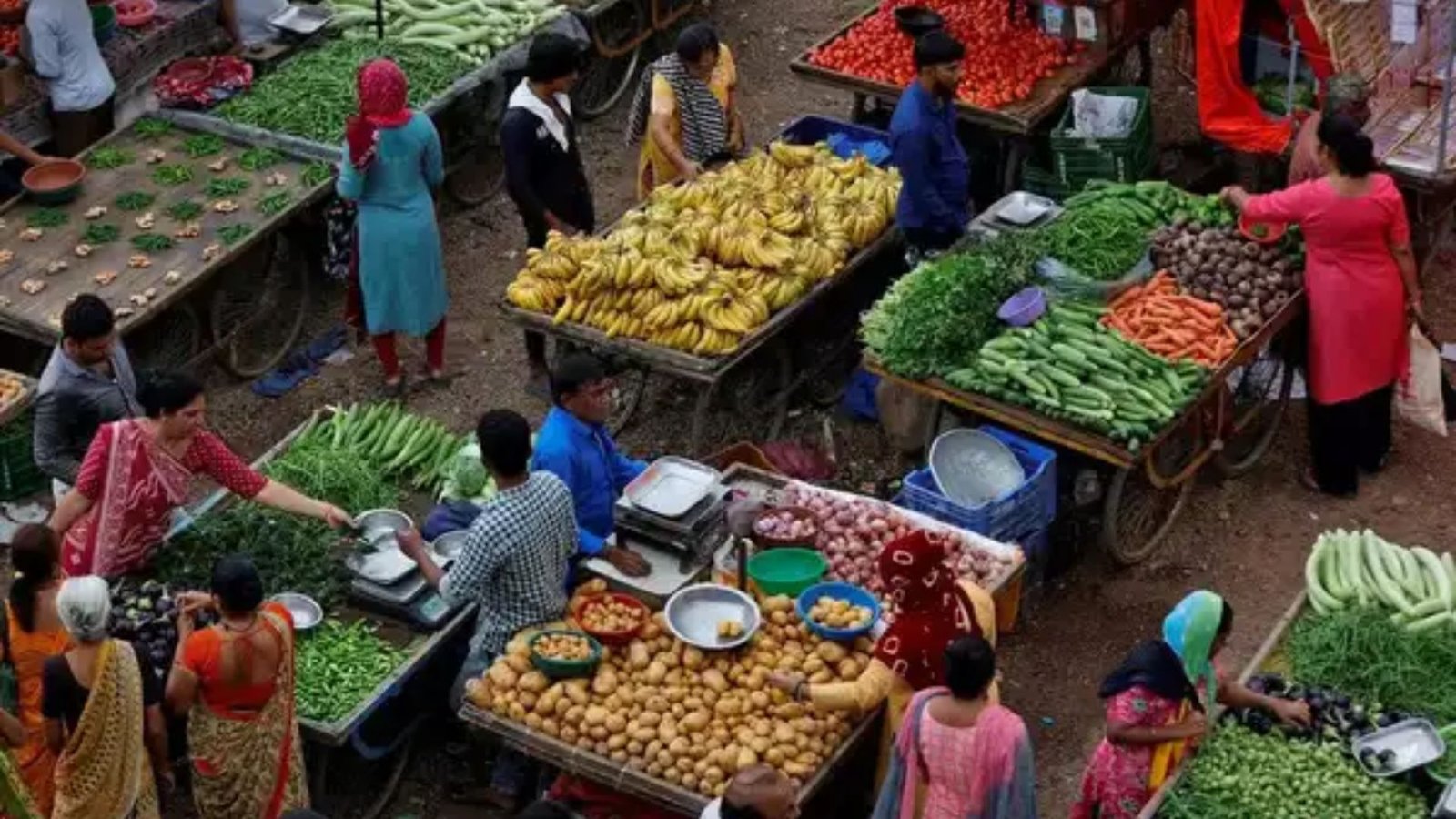
The increase was primarily driven by higher food prices, which rose 6.22% year-on-year in November, up from October’s 5.88%. Key contributors included vegetables, where prices surged 17.53% due to supply constraints from unfavorable weather conditions in major producing states. Cereal prices also saw a modest rise, increasing by 4.15%, while protein sources like meat and fish witnessed a 9.72% inflation rate.
Fuel prices remained a stabilizing factor, with headline fuel inflation easing to 5.27% from October’s 6.24%. However, the pace of decline slowed significantly, as international crude oil prices stabilized above $90 per barrel. Petroleum products, including diesel and petrol, saw smaller increases compared to previous months, offering limited relief to consumers.
Key Factors Behind the Rise
Analysts attribute November’s inflation spike to several interconnected factors. Supply-side disruptions, including monsoon-related agricultural damage and transportation bottlenecks, exacerbated food price pressures. Concurrently, a stronger rupee against the dollar provided only modest insulation against rising global commodity costs. Additionally, seasonaldemand for festive consumption further strained supply chains.
The Reserve Bank of India (RBI), which maintains an inflation target of 4% with a margin of 2 percentage points, faces a delicate balancing act. While November’s figure remains well within the target range, policymakers are closely monitoring trends to avoid premature tightening that could hinder growth. The central bank has held its key policy rate steady at 6.50% since June, prioritizing liquidity support for the economy.
Retail inflation expectations remain anchored, with households anticipating prices to remain stable over the next year. However, economists warn that prolonged supply shocks or a reversal in oil price dynamics could quickly alter this outlook. The government has intensified efforts to boost agricultural output through targeted subsidies and improved logistics infrastructure to mitigate future price volatility.
Going forward, markets will closely watch upcoming retail sales and industrial production data to gauge the inflation trajectory. While most forecasts expect inflation to average around 5% in fiscal 2024, risks remain skewed toward the upside. The RBI’s next policy meeting in December will be critically watched for any forward guidance on monetary stance adjustments.
Image Source: Google | Image Credit: Respective Owner