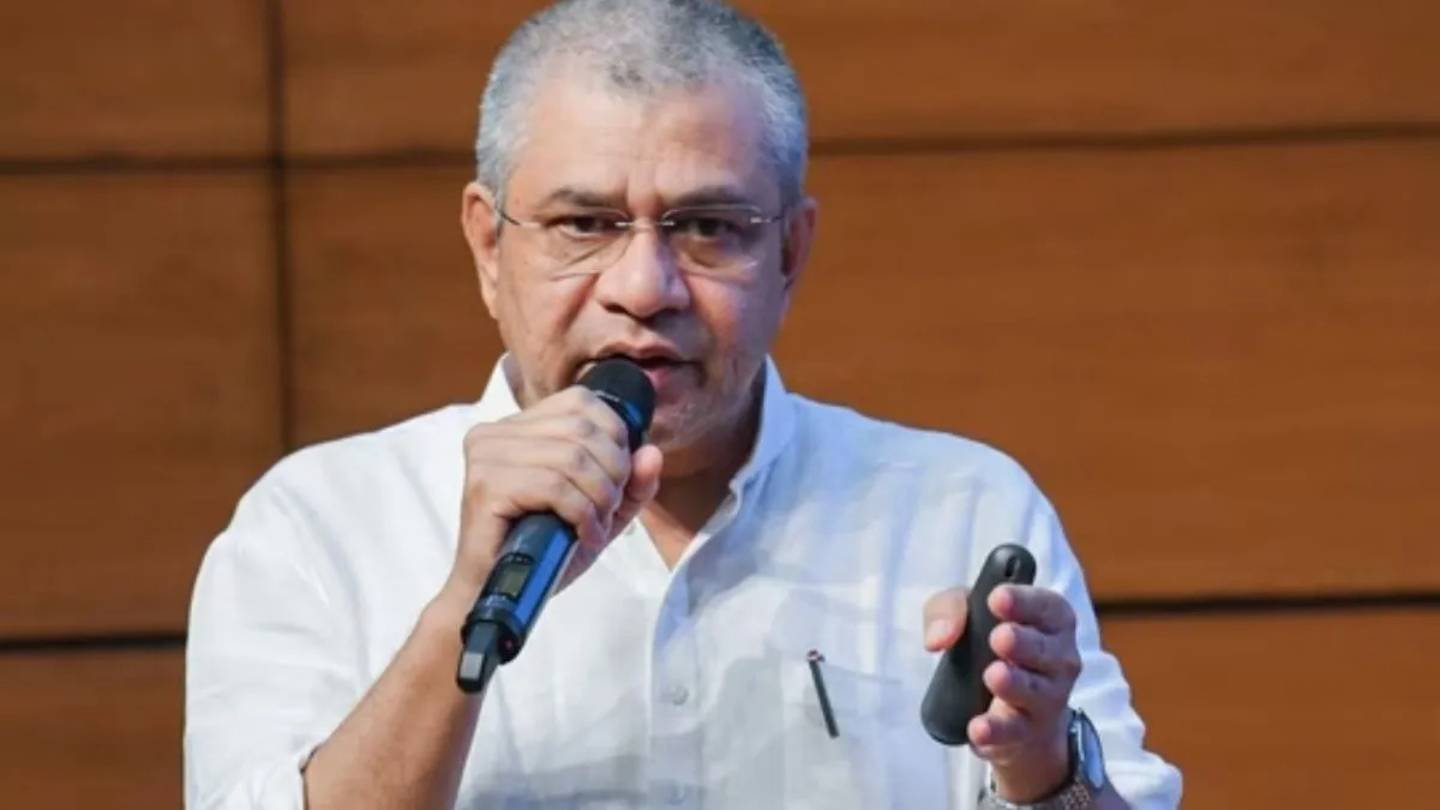
Union Minister Ashwini Vaishnaw clarified on Saturday that India’s recent GST reforms were planned well before any external pressures. His statement came amid speculation that the tax overhaul was a response to the 50% tariffs imposed by the United States.
Reforms Planned Over a Year Ago
Speaking to the media, Vaishnaw emphasized that the GST restructuring had been in development for more than 18 months. He noted that planning began before the US elections took place.
“The preparation for GST reforms had started about one-and-a-half years ago,” Vaishnaw stated. He added that this initiative aligns with Prime Minister Modi’s vision of “reform, perform, and transform.”
Promise Fulfilled from Red Fort
The minister connected the reforms to PM Modi’s Independence Day speech from the Red Fort. He described the tax changes as fulfilling a commitment made by the Prime Minister to the nation.
According to Vaishnaw, this GST reform will kickstart the country’s transformation journey.
Major Tax Structure Changes
On September 3, the GST Council announced significant changes to India’s tax system. The new structure simplifies rates with most goods and services now falling under two main categories.
New Rate Structure:
- 5% and 18%: Most goods and services
- 40%: Only de-merit goods and sin products
Many products moved from higher tax brackets to more affordable ones:
- Several items shifted from 18% or 12% down to 5%
- Some products moved from 28% down to 18%
Timing Amid US Trade Tensions
The reforms come shortly after Trump’s administration imposed punitive tariffs on India. The 50% tariff rate represents one of the highest penalties imposed on any US trading partner.
These tariffs resulted from Trump’s August 7 executive order. It added a 25% penalty for India’s Russian oil purchases on top of an existing 25% reciprocal tariff.
Government’s Public Good Focus
The Centre maintains that the GST Council’s decision prioritizes public welfare. PM Modi called the reforms a “game changer” for the Indian economy.
The Prime Minister highlighted several expected benefits:
- Simplified tax slabs
- Lower input costs for businesses
- Faster digital compliance processes
- Increased demand for Made in India products
Economic Growth Projections
Vaishnaw expressed confidence about India’s economic trajectory. He cited both the GST reforms and income tax relief in the 2025-26 Budget as growth drivers.
The minister believes these measures will set the country up for sustained economic expansion.
Agricultural Sector Benefits
Union Agriculture Minister Shivraj Singh Chouhan praised the reforms’ impact on farmers. Speaking at a press conference in Bhopal, he outlined the government’s agricultural goals.
“Our aim is to reduce the cost of production in farming and increase production,” Chouhan explained. He emphasized that farmers across the country would benefit significantly from these GST changes.
Strategic Independence
The government’s stance reinforces India’s commitment to making independent policy decisions. Despite external pressures and trade disputes, the reforms reflect domestic priorities rather than foreign influence.
This approach demonstrates India’s focus on long-term economic planning over reactive policy-making.
Image Source: Google | Image Credit: Respective Owner