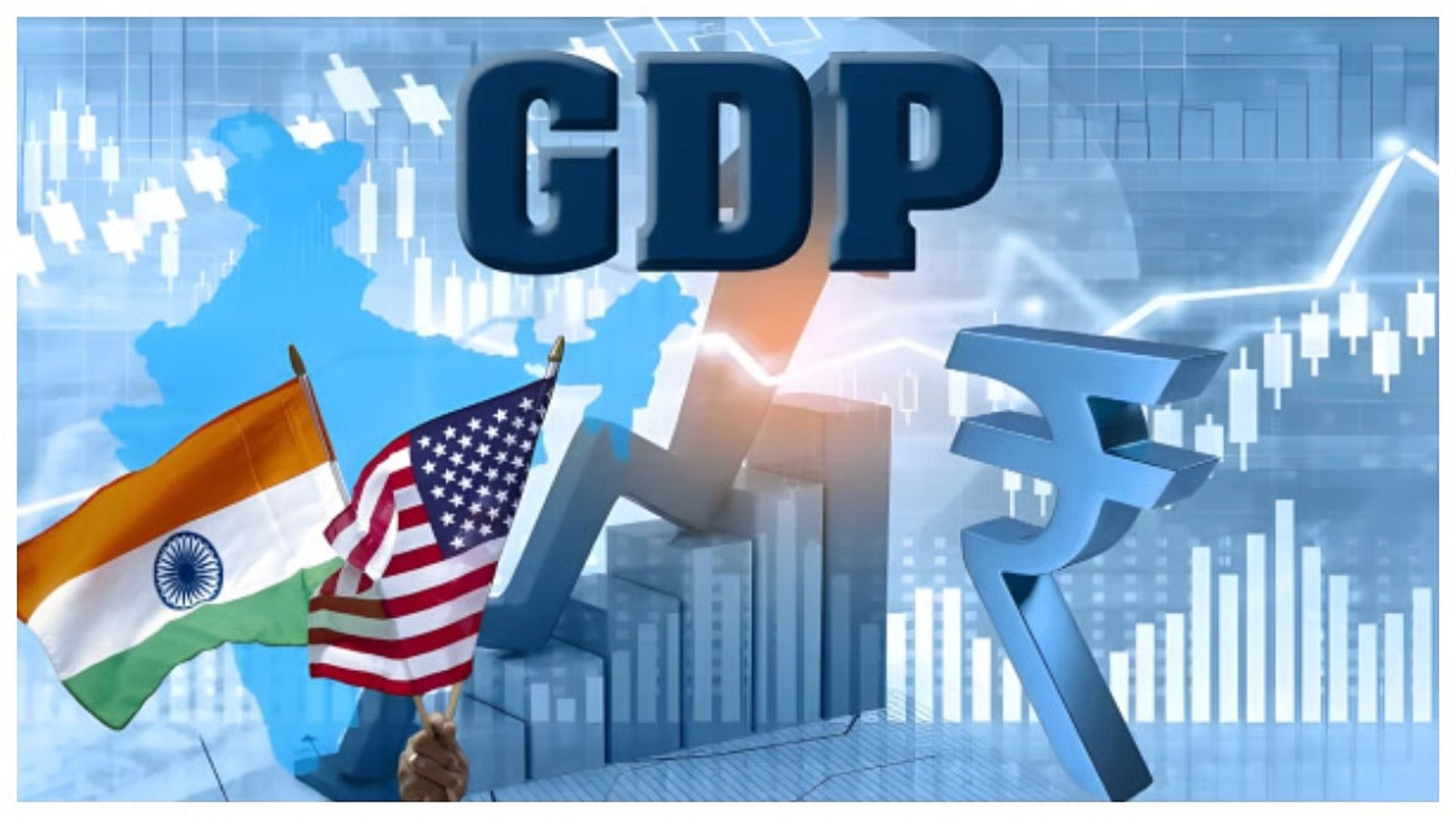
India’s economy has demonstrated significant resilience, achieving its strongest GDP growth in the last 18 months. This positive trajectory, however, is being cautiously viewed in light of potential future impacts from evolving trade relations with the United States. The robust growth figures reflect a resurgence in various sectors, indicating a broad-based recovery from previous economic slowdowns. However, economists warn that the favorable conditions may be temporary, with looming uncertainties surrounding global trade dynamics, particularly those involving the US, potentially dampening future growth.
Key Growth Drivers
The recent surge in India’s GDP can be attributed to several factors, including increased domestic consumption, a rebound in manufacturing output, and a surge in investment. Government initiatives aimed at boosting infrastructure development and attracting foreign investment have also played a crucial role. The agricultural sector, despite facing challenges from weather fluctuations, has shown commendable resilience, contributing positively to the overall economic performance. Furthermore, the services sector, a significant contributor to the Indian economy, has continued its upward trajectory, driven by the expansion of IT, financial services, and tourism.
US Trade Implications
Despite the positive domestic indicators, concerns persist regarding the potential impact of US trade policies on India’s export-oriented industries. Changes in US trade regulations, tariffs, or trade agreements could significantly affect Indian businesses that rely heavily on exports to the US market. Sectors such as pharmaceuticals, textiles, and IT services are particularly vulnerable to these shifts. Economists emphasize the need for proactive measures to mitigate these risks, including diversifying export markets and strengthening domestic manufacturing capabilities. The Indian government is actively engaging with its US counterparts to foster stable and mutually beneficial trade relations, aiming to minimize any adverse effects on the Indian economy.
Mitigation Strategies
To safeguard against potential negative consequences, India is focusing on bolstering its internal market and enhancing its competitiveness in the global arena. The government is implementing policies designed to promote domestic manufacturing, reduce dependence on imports, and improve the ease of doing business. Initiatives like ‘Make in India’ aim to attract both domestic and foreign investment into manufacturing sectors, creating jobs and boosting economic growth. Additionally, efforts are underway to streamline regulatory processes, reduce bureaucratic hurdles, and improve infrastructure connectivity to enhance the overall business environment. Furthermore, India is actively pursuing free trade agreements with other nations to diversify its export markets and reduce its reliance on any single trading partner. The emphasis on innovation and technology is also expected to play a crucial role in enhancing India’s long-term economic resilience.
In conclusion, while India’s recent GDP growth offers a promising outlook, the potential for trade-related shocks, particularly from the US, necessitates a cautious and proactive approach. Diversification, internal market strengthening, and strategic trade partnerships are key to ensuring sustainable and robust economic growth in the face of global uncertainties.
Image Source: Google | Image Credit: Respective Owner