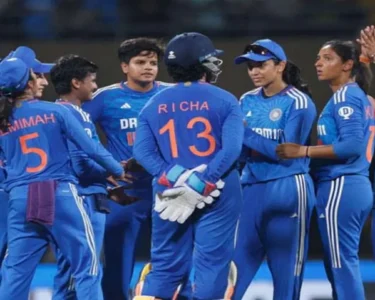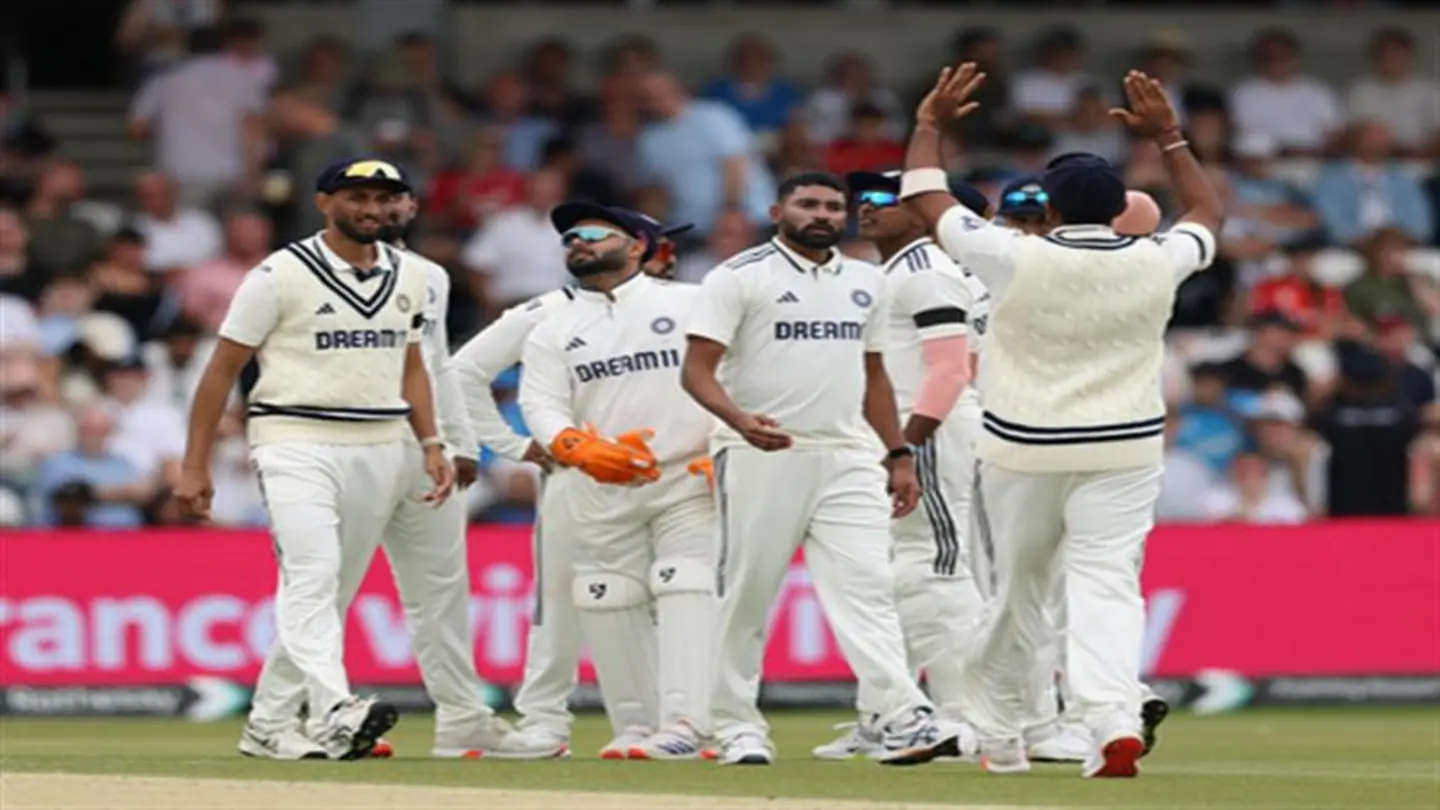
India’s cricket team faces scrutiny after a recent performance highlighted both batting frailties and fielding errors. Despite maintaining faith in their middle-order batsmen, their inability to consistently build substantial partnerships is becoming a concern. The term ‘entropic’ suggests a gradual decline into disorder, reflecting the unpredictable nature of the middle order’s performances. Individual brilliance is often overshadowed by collective collapses, placing undue pressure on the top order and tail-enders.
Batting Woes
The middle order’s struggles are not new, but their persistence poses a significant challenge to India’s aspirations in major tournaments. The lack of a settled batting lineup contributes to the uncertainty, with players frequently shuffled in and out of the team. This instability affects confidence and prevents batsmen from establishing themselves in specific roles. A more consistent selection policy and clearer communication of roles could help alleviate some of the pressure.
Furthermore, the middle-order’s approach to risk assessment needs refinement. Often, batsmen attempt high-risk shots early in their innings, leading to unnecessary dismissals. A more calculated approach, focusing on building a solid foundation before accelerating, could yield better results. This requires patience, adaptability, and the ability to read the match situation effectively.
Fielding Lapses
Compounding the batting woes are the dropped catches, which have proved particularly costly in recent matches. Missed opportunities in the field can dramatically alter the course of a game, shifting momentum and demoralizing the team. Dropped catches are not merely individual errors but reflect a collective lack of focus and intensity. Improved fielding drills, mental conditioning, and a greater emphasis on catching practice are essential to address this issue.
The impact of dropped catches extends beyond the immediate game; they can erode confidence and create a sense of unease within the team. Opponents are emboldened by the knowledge that chances will be offered, while bowlers feel increasingly pressured to bowl perfect deliveries. To rectify this, the team needs to foster a culture of accountability and instill a relentless pursuit of excellence in all aspects of fielding.
Ultimately, India’s success hinges on addressing both the batting inconsistencies and fielding lapses. While individual talent is abundant, a cohesive and disciplined approach is needed to unlock the team’s full potential. This requires strong leadership, clear communication, and a unwavering commitment to improvement.
Moving forward, the team management needs to prioritize addressing these issues and create a conducive environment for players to thrive. Only then can India hope to consistently challenge for top honors on the global stage. The focus must be on building a resilient and adaptable team capable of overcoming adversity and seizing opportunities.
Image Source: Google | Image Credit: Respective Owner