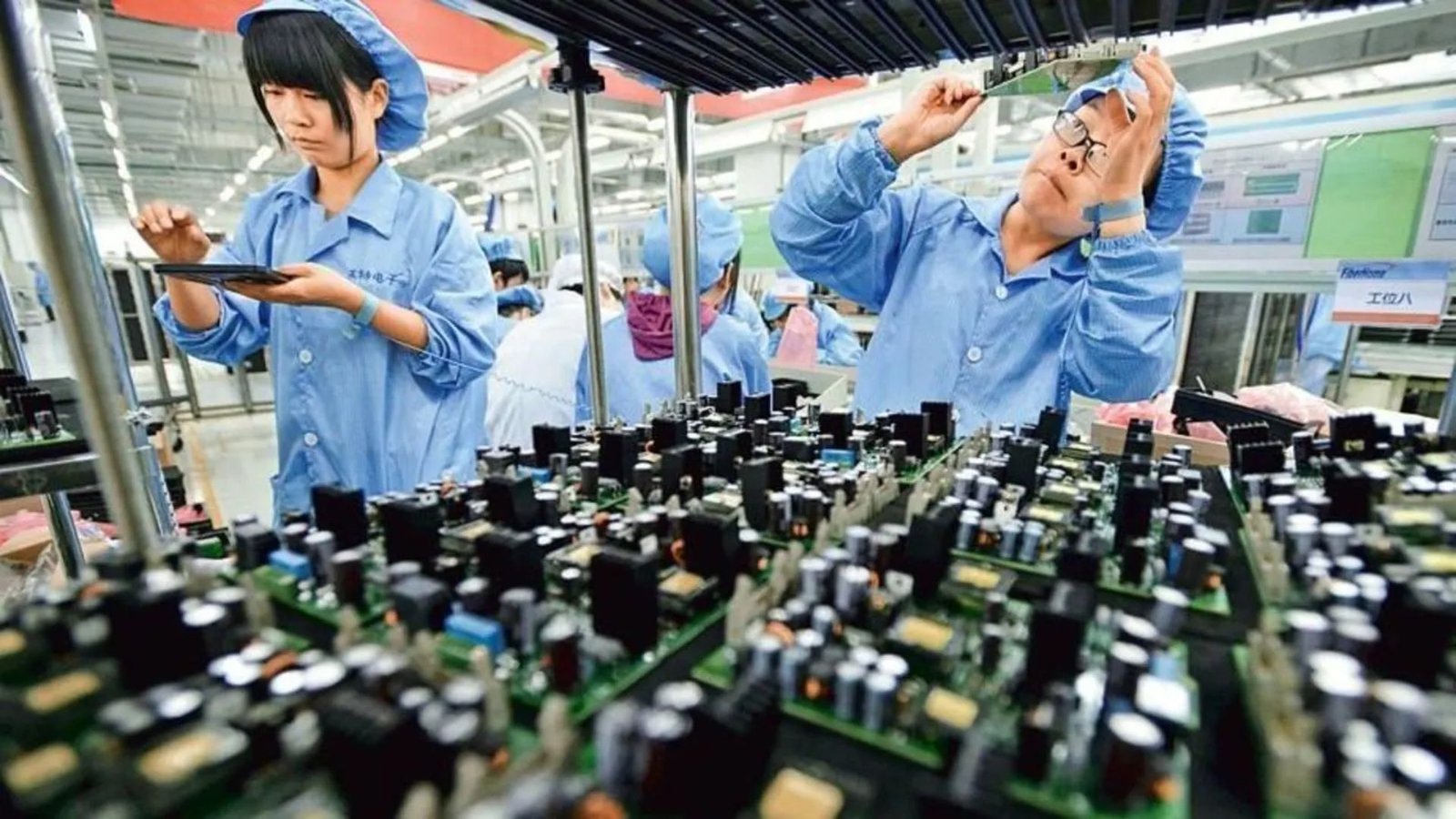
India’s electronics manufacturing sector is experiencing a significant boost, with a scheme designed to attract investment garnering an unprecedented Rs 1.15 lakh crore. This influx of capital underscores the growing global trust in India as a hub for electronics production and reflects the country’s increasing competitiveness in the international market. The Production Linked Incentive (PLI) scheme, a key driver of this investment, offers financial incentives to companies that manufacture goods within India, encouraging both domestic and foreign firms to establish or expand their operations.
The scheme targets various segments of the electronics industry, including mobile phones, electronic components, and other high-tech products. By incentivizing local production, the PLI scheme aims to reduce India’s reliance on imports, boost domestic manufacturing capacity, and create employment opportunities. The massive investment attracted by the scheme is expected to have a ripple effect across the Indian economy, fostering innovation, enhancing technological capabilities, and contributing to overall economic growth.
Impact on Domestic Manufacturing
The success of the PLI scheme in attracting such substantial investment highlights the effectiveness of government policies in promoting domestic manufacturing. It demonstrates that with the right incentives and a conducive business environment, India can become a preferred destination for global manufacturers. This development is particularly significant in the context of global supply chain diversification, as companies seek to reduce their dependence on any single location. India’s growing attractiveness as an electronics manufacturing hub positions it as a key player in the evolving global landscape.
Furthermore, the investment is expected to drive technological advancements within the Indian electronics industry. As companies establish manufacturing facilities and expand their operations, they will bring with them advanced technologies and processes, which will help to upgrade the capabilities of the domestic industry. This technological transfer will not only benefit the electronics sector but also contribute to the overall modernization of the Indian economy.
Job Creation and Economic Growth
The Rs 1.15 lakh crore investment in electronics manufacturing is projected to create a significant number of jobs across various skill levels. From assembly line workers to engineers and technicians, the expansion of the electronics industry will generate employment opportunities for a diverse range of individuals. This job creation will not only improve the livelihoods of countless families but also contribute to the overall economic growth of the country. Moreover, the increase in manufacturing activity will lead to higher tax revenues for the government, which can be used to fund infrastructure development and other essential services.
The electronics manufacturing scheme’s success reinforces India’s position as a rising economic power and a competitive player in the global electronics market. This development paves the way for further growth and innovation in the sector, contributing to the country’s long-term economic prosperity. By fostering a vibrant electronics manufacturing ecosystem, India is laying the foundation for a more resilient and self-reliant economy.
Image Source: Google | Image Credit: Respective Owner