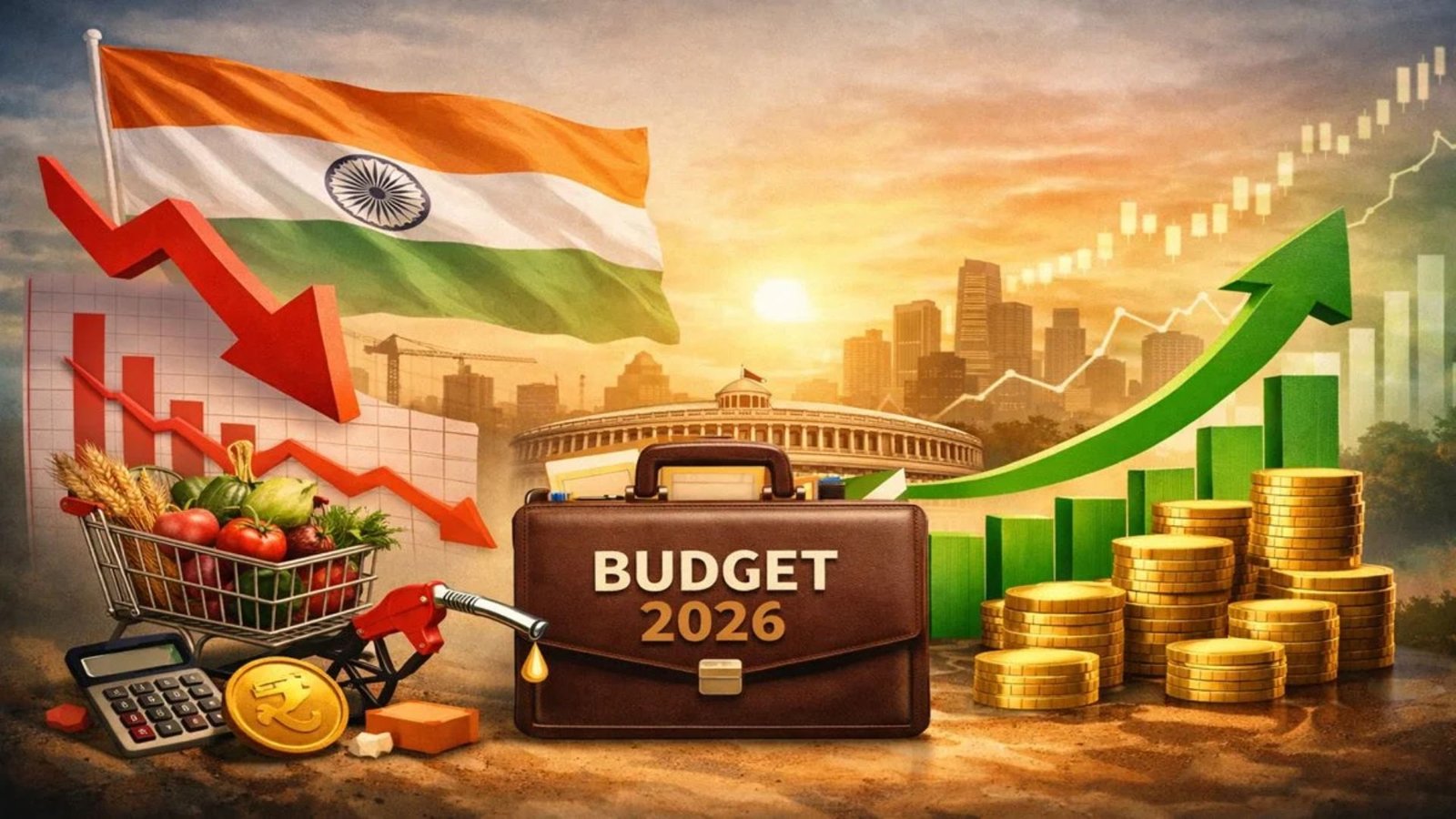
India’s economic outlook appears remarkably stable as the nation prepares for its annual budget presentation, a departure from the volatility often associated with emerging markets. Analysts describe the current state as “reassuringly boring,” characterized by predictable growth and manageable inflation, offering a relatively calm backdrop for fiscal policy decisions.
The Indian economy is currently projected to grow at over 7% for the fiscal year ending March 2024, making it one of the fastest-growing major economies globally. This growth is driven by robust domestic demand, particularly in the services sector, and a steady increase in capital investment. While global headwinds persist, including geopolitical tensions and slowing growth in advanced economies, India has demonstrated resilience, largely shielded by its substantial domestic market.
Inflation, a major concern for many countries, is also under control in India. The Reserve Bank of India (RBI) has maintained a relatively hawkish stance, keeping interest rates elevated to curb price increases. This has proven effective, with inflation currently hovering around the upper end of the RBI’s target range, but showing signs of moderation. The government’s focus on supply-side management, including measures to boost agricultural production and improve logistics, has also contributed to price stability.
However, the “boring” assessment doesn’t imply a lack of challenges. Concerns remain regarding the fiscal deficit, which has widened in recent years due to increased government spending. The upcoming budget is expected to outline a path towards fiscal consolidation, balancing the need for continued investment in infrastructure and social programs with the imperative to reduce debt levels.
Key Budget Expectations
Analysts anticipate the budget will prioritize infrastructure development, particularly in areas such as transportation, energy, and digital connectivity. Increased investment in these sectors is seen as crucial for sustaining long-term economic growth and creating employment opportunities. Furthermore, there is expectation for continued support for manufacturing through production-linked incentive schemes, aimed at attracting foreign investment and boosting domestic production.
Rural demand, which has been relatively subdued in recent times, is also likely to be a focus. Measures to enhance rural incomes, such as increased agricultural subsidies and investments in rural infrastructure, could help stimulate consumption and support overall economic growth. The government is also expected to announce measures to promote financial inclusion and improve access to credit for small and medium-sized enterprises (SMEs).
The stability of the Indian economy is also reflected in the performance of its financial markets. The stock market has been on a bull run, reaching record highs, driven by strong corporate earnings and positive investor sentiment. The Indian rupee has also remained relatively stable against the US dollar, despite global currency fluctuations. This stability provides a favorable environment for businesses and investors.
Despite the positive outlook, some experts caution against complacency. They highlight the risks associated with global economic uncertainty, potential disruptions to supply chains, and the impact of climate change. The upcoming budget will be a crucial opportunity for the government to address these challenges and lay the foundation for sustainable and inclusive growth. The focus will be on maintaining the current momentum while proactively mitigating potential risks, ensuring India continues on a path of steady, if “reassuringly boring,” economic progress.
Image Source: Google | Image Credit: Respective Owner