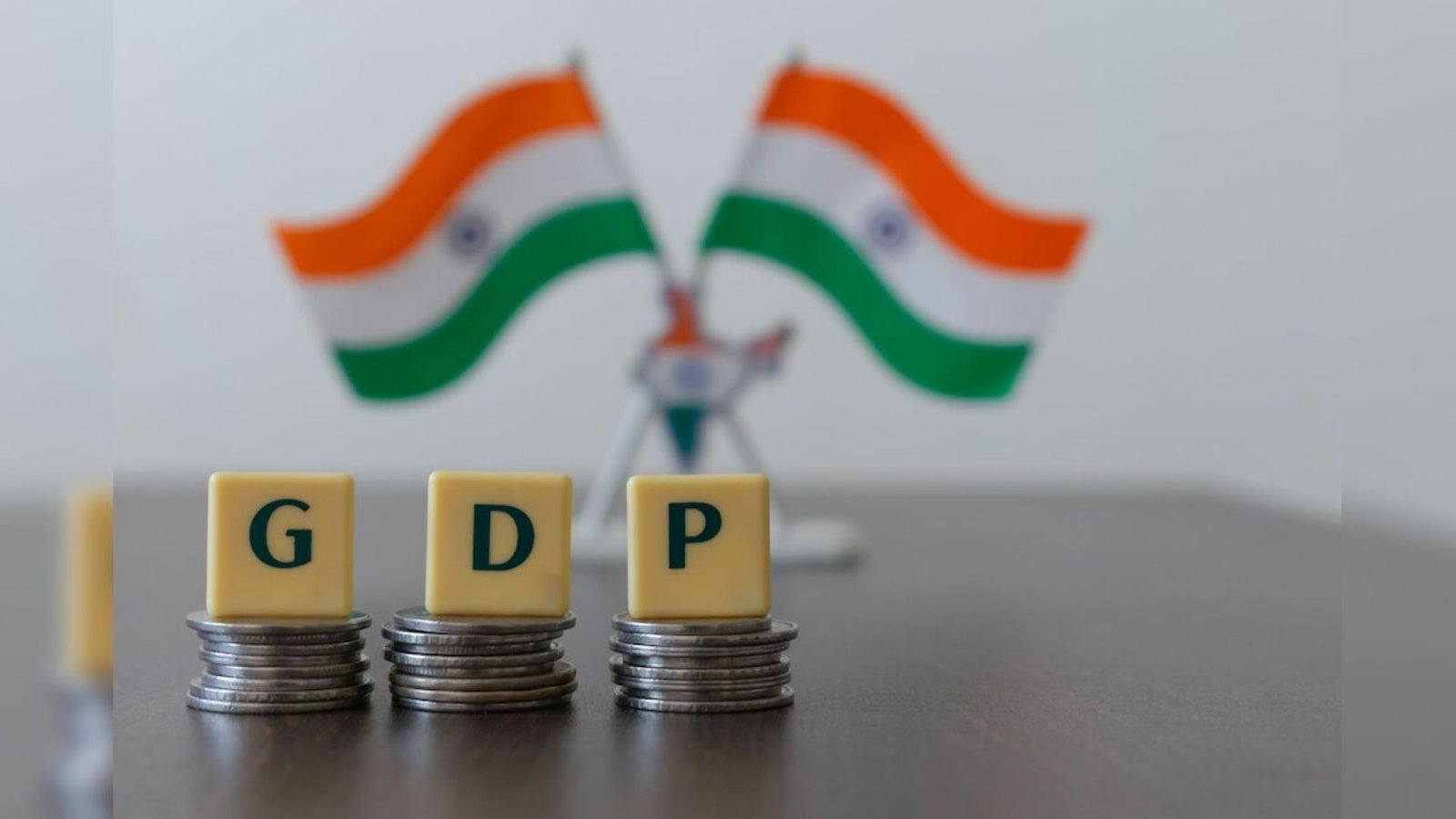
India is poised for continued strong economic growth, according to the World Bank’s latest projections. The institution estimates India’s Gross Domestic Product (GDP) will grow at 7.2% in fiscal year 2026 (FY26) and moderate slightly to 6.5% in FY27. These forecasts underscore India’s position as one of the fastest-growing major economies globally.
The World Bank’s assessment, detailed in its latest Global Economic Prospects report, highlights the resilience of the Indian economy despite global headwinds. While global growth is expected to slow, India’s domestic demand and ongoing structural reforms are anticipated to drive substantial economic expansion. The report attributes this positive outlook to robust investment, particularly in infrastructure, and improving consumer spending.
Key Drivers of Growth
Several factors are contributing to India’s economic momentum. Government initiatives focused on infrastructure development, such as the PM Gati Shakti National Master Plan, are expected to unlock significant economic potential. Increased public and private investment in sectors like manufacturing, construction, and renewable energy are also key drivers. Furthermore, the World Bank notes that improvements in the business environment and a focus on enhancing human capital are laying the foundation for sustained long-term growth.
The FY26 projection of 7.2% represents a slight downward revision from previous estimates, reflecting concerns about the global economic slowdown and potential disruptions to trade. However, it still positions India well ahead of other major economies. The anticipated moderation to 6.5% in FY27 is considered a natural progression as the economy matures and base effects diminish.
The report also acknowledges potential risks to India’s growth trajectory. These include volatile global commodity prices, particularly oil, which could exacerbate inflationary pressures. Geopolitical tensions and adverse weather events, such as droughts or floods, also pose challenges. The World Bank emphasizes the importance of proactive policy measures to mitigate these risks and ensure that India remains on a path of sustainable and inclusive growth.
Specifically, the report suggests that continued fiscal consolidation, coupled with structural reforms aimed at improving productivity and competitiveness, will be crucial. Strengthening the financial sector and addressing infrastructure bottlenecks are also identified as priorities. The World Bank’s optimistic outlook for India is contingent on the effective implementation of these policies.
The projections from the World Bank align with similar forecasts from other international organizations, reinforcing the view that India is a bright spot in the global economy. This positive assessment is likely to attract further foreign investment and boost investor confidence, contributing to India’s continued economic success. The focus now shifts to translating these projections into tangible economic outcomes and ensuring that the benefits of growth are shared widely across the population.
The Indian government is expected to leverage these positive forecasts to accelerate its reform agenda and attract further investment in key sectors. Maintaining macroeconomic stability and fostering a conducive environment for private sector participation will be paramount in achieving these goals.
Image Source: Google | Image Credit: Respective Owner