India is facing a rapidly increasing cancer burden, a trend attributed to demographic shifts, lifestyle changes, and increasing exposure to risk factors. Experts emphasize that a combination of promoting healthy lifestyles and implementing regular cancer screening programs is the most effective strategy to combat this growing health challenge.
The rising incidence of cancer in India is particularly concerning given the already strained healthcare infrastructure. Factors such as tobacco and alcohol consumption, a largely sedentary lifestyle coupled with poor dietary habits, and increasing pollution levels are major contributors. The aging population also plays a role, as the risk of developing cancer increases with age. However, experts suggest that a significant proportion of cancer cases are preventable through early detection and intervention.
The Role of Lifestyle Modifications
Adopting a healthy lifestyle is crucial in cancer prevention. This includes quitting tobacco use in any form, reducing alcohol consumption to moderate levels, maintaining a healthy weight through regular physical activity, and consuming a diet rich in fruits, vegetables, and whole grains. Public health campaigns aimed at raising awareness about these lifestyle factors are essential, particularly in rural areas where access to information may be limited. Furthermore, workplace wellness programs promoting physical activity and healthy eating can also contribute significantly.
Beyond individual habits, addressing environmental risk factors is also critical. Reducing air and water pollution, minimizing exposure to harmful chemicals, and ensuring food safety are all important steps. Government regulations and enforcement play a vital role in creating a healthier environment.
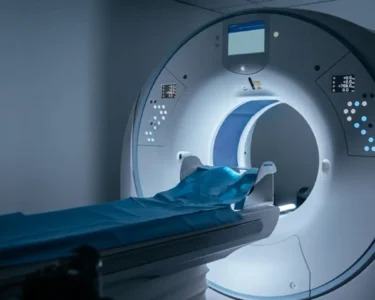
Regular cancer screening is another cornerstone of the strategy. Several cancers, including cervical cancer, breast cancer, and oral cancer, can be effectively treated if detected early. Screening programs can identify these cancers at an early, more treatable stage, significantly improving survival rates.
Currently, screening programs in India are limited in scope and accessibility. Expanding these programs to reach a wider population, particularly women in rural areas, is a priority. This necessitates investment in infrastructure, training of healthcare professionals, and increased public awareness about the benefits of screening.
The cost of cancer treatment is a major barrier to access for many Indians. Integrating early detection and treatment into the existing healthcare system can help reduce the financial burden on patients and families. Government initiatives like the National Programme for Prevention, Control and Treatment of Cancer need to be scaled up and strengthened.
Investment in research is also vital for developing more effective cancer prevention and treatment strategies tailored to the Indian population. Understanding the genetic and environmental factors that contribute to cancer risk in India is essential for designing targeted interventions. Collaboration between research institutions, hospitals, and pharmaceutical companies can accelerate the pace of discovery.
Ultimately, tackling India’s rising cancer burden requires a multi-pronged approach that combines individual responsibility, public health initiatives, and government investment. A focus on healthy lifestyles and regular screening represents a realistic and achievable pathway towards reducing the incidence and improving the outcomes for cancer patients in India.
Image Source: Google | Image Credit: Respective Owner