Cervical cancer, a largely preventable disease through early screening and vaccination, continues to claim the lives of numerous women in India. Despite the availability of effective screening methods like Pap smears and HPV tests, many women are diagnosed at advanced stages, significantly reducing their chances of survival. This disparity highlights critical gaps in awareness, access, and healthcare infrastructure.
The Burden of Cervical Cancer in India
India accounts for a significant portion of the global cervical cancer burden. The disease develops when abnormal cells on the cervix grow uncontrollably. Human papillomavirus (HPV) infection is the primary cause, and persistent HPV infections can lead to precancerous changes and eventually, cervical cancer. However, it often progresses slowly, offering a window of opportunity for detection and treatment through regular screening.
The challenge lies in reaching women, particularly in rural and underserved areas, with these screening programs. Lack of awareness about the importance of screening, limited access to healthcare facilities, and socio-cultural barriers all contribute to the problem. Many women are unaware that cervical cancer is largely preventable, and they may not seek medical attention until symptoms appear, which is often when the cancer is already advanced.
The Role of Screening Programs
Effective screening programs can detect precancerous changes early, allowing for timely intervention and prevention of the disease’s progression. Pap smears and HPV tests are the two primary screening methods. Pap smears involve collecting cells from the cervix to identify any abnormalities. HPV tests detect the presence of high-risk HPV types that are most likely to cause cervical cancer. Vaccination against HPV is also a highly effective preventive measure, particularly when administered before the onset of sexual activity.
The Indian government has launched initiatives to promote cervical cancer screening and HPV vaccination, but these programs face significant challenges in terms of implementation and reach. Strengthening healthcare infrastructure, training healthcare workers, and raising awareness among women are crucial steps in improving the effectiveness of these programs.
Addressing the Challenges
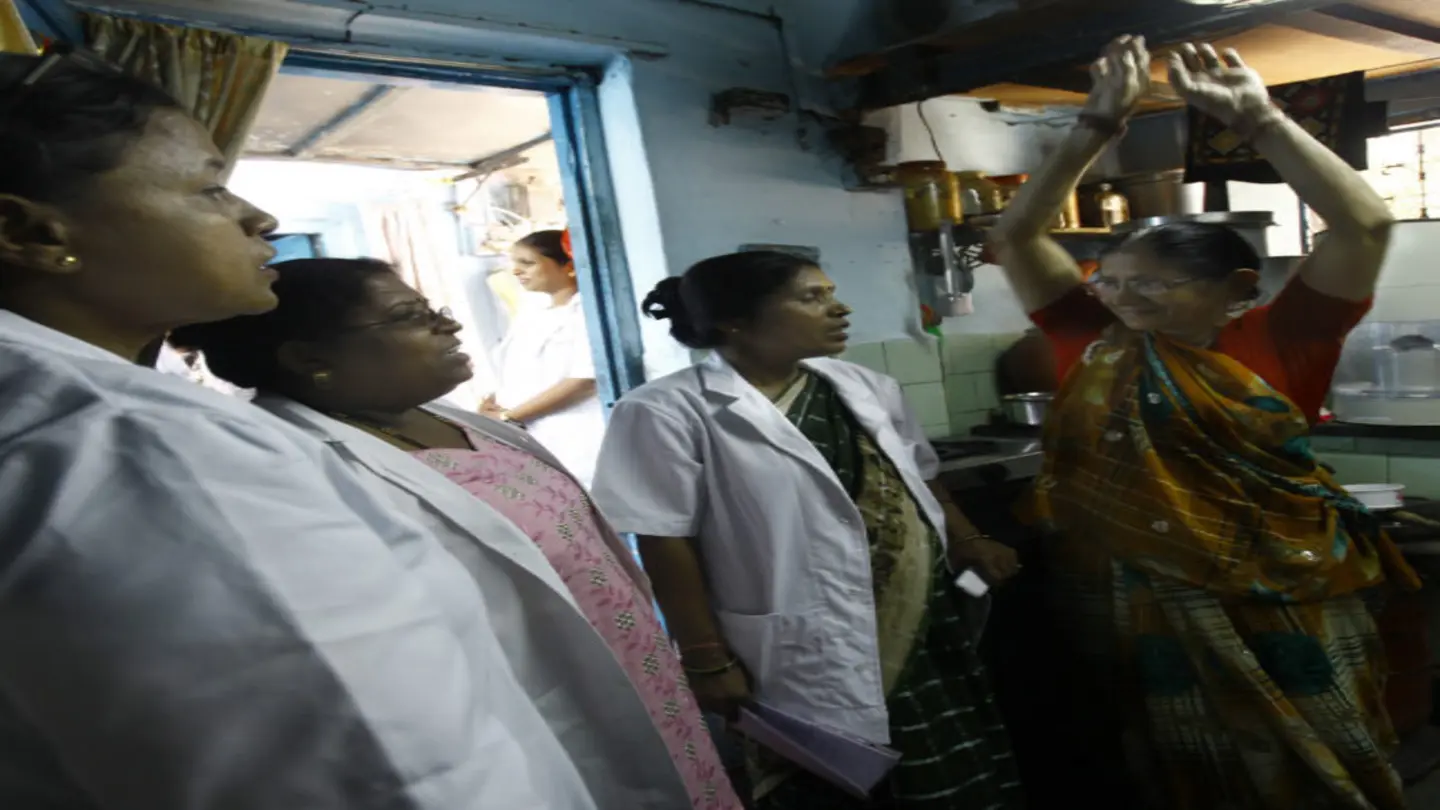
To reduce the burden of cervical cancer in India, a multi-pronged approach is needed. This includes increasing awareness about the disease and the importance of screening, expanding access to screening and vaccination services, and strengthening healthcare infrastructure. Community-based programs, involving local leaders and healthcare workers, can play a vital role in reaching women in rural areas. Furthermore, addressing socio-cultural barriers and promoting open discussions about women’s health are essential.
Investing in research to develop more affordable and accessible screening technologies is also important. Point-of-care HPV tests, which can be performed in primary healthcare settings, offer a promising solution for expanding screening coverage. By addressing these challenges and prioritizing cervical cancer prevention, India can save countless lives and improve the health and well-being of its women.
Image Source: Google | Image Credit: Respective Owner