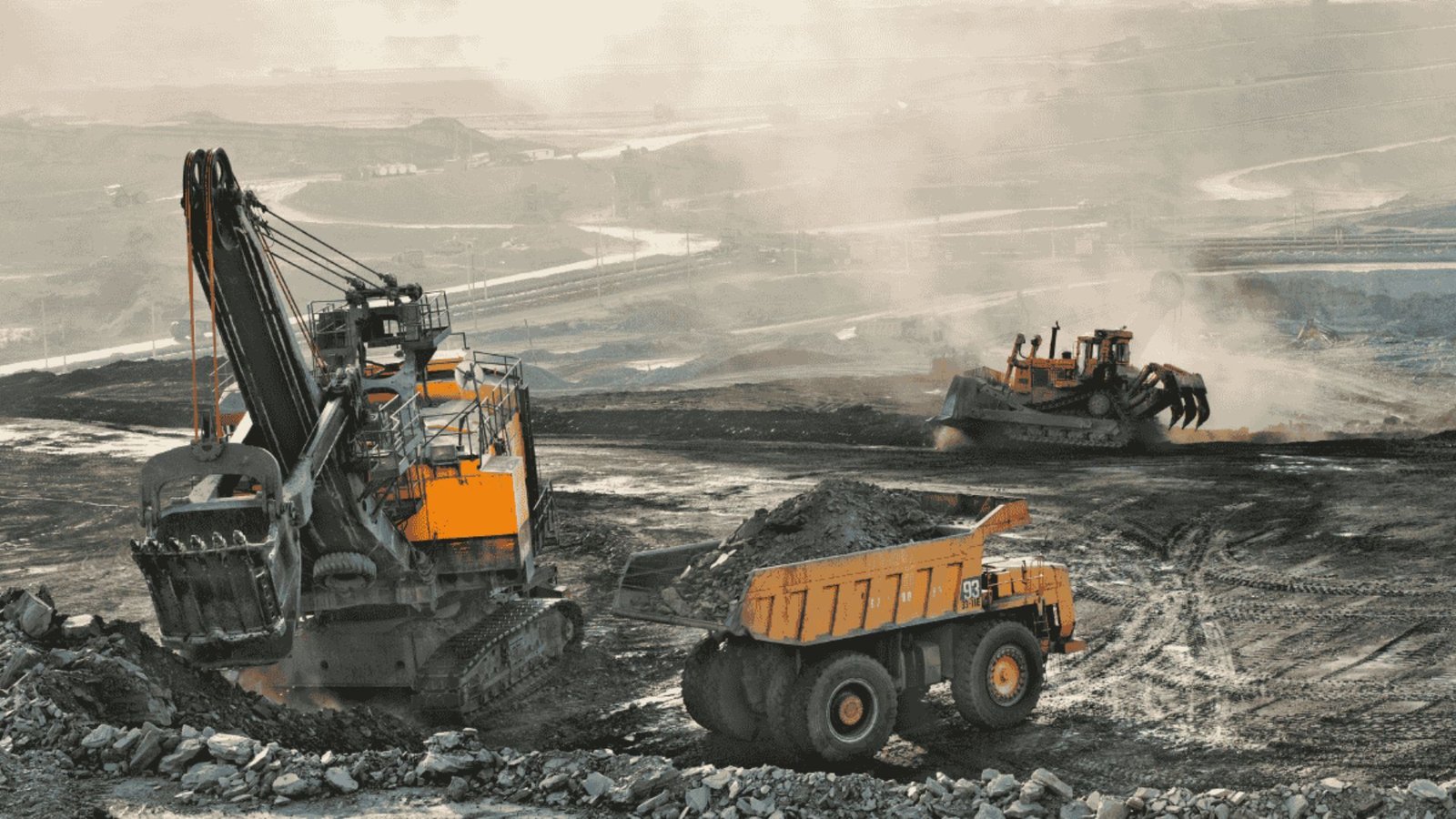
The Indian government is set to launch a ₹7,350 crore (approximately $880 million) initiative aimed at boosting the domestic production of rare-earth magnets. This move is designed to reduce the country’s reliance on imports, particularly from China, and strengthen its manufacturing capabilities in critical sectors. The plan encompasses the entire value chain, from mining and processing of rare-earth elements to the manufacturing of finished magnets.
Strategic Importance
Rare-earth magnets are essential components in a wide range of applications, including electric vehicles (EVs), wind turbines, electronics, and defense equipment. The increasing demand for these magnets, coupled with supply chain vulnerabilities, has prompted the government to prioritize their domestic production. The initiative aligns with the broader ‘Make in India’ campaign, which aims to transform India into a global manufacturing hub.
The plan includes financial incentives for companies investing in rare-earth magnet production facilities. These incentives will help offset the high capital costs associated with setting up such facilities and encourage greater participation from domestic and international players. The government will also support research and development efforts to improve magnet production technologies and reduce environmental impact. A dedicated task force will be established to oversee the implementation of the plan and address any challenges that may arise.
Impact on Key Sectors
The initiative is expected to have a significant impact on several key sectors. The electric vehicle industry, which relies heavily on rare-earth magnets for its motors, will benefit from a more secure and reliable supply chain. This will encourage greater adoption of EVs and reduce the country’s dependence on fossil fuels. The renewable energy sector, particularly wind energy, will also benefit from the increased availability of rare-earth magnets for wind turbine generators.
The electronics industry, which uses rare-earth magnets in various components, will also see a boost. This will help strengthen the competitiveness of Indian electronics manufacturers and attract more investment to the sector. The defense sector, which uses rare-earth magnets in advanced weapons systems, will also benefit from a more secure supply chain. This will enhance the country’s defense capabilities and reduce its reliance on foreign suppliers.
Challenges and Opportunities
While the initiative presents significant opportunities for India, it also faces several challenges. The mining and processing of rare-earth elements can be environmentally intensive, and strict environmental regulations will need to be enforced to minimize the impact. Securing a stable supply of raw materials, particularly rare-earth elements, will also be crucial. Collaboration with other countries that have abundant rare-earth reserves may be necessary. Despite these challenges, the initiative represents a significant step towards strengthening India’s manufacturing capabilities and reducing its dependence on imports. It has the potential to transform India into a major player in the global rare-earth magnet market.
Image Source: Google | Image Credit: Respective Owner