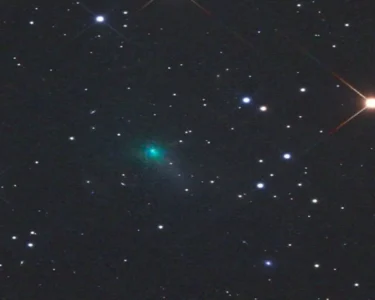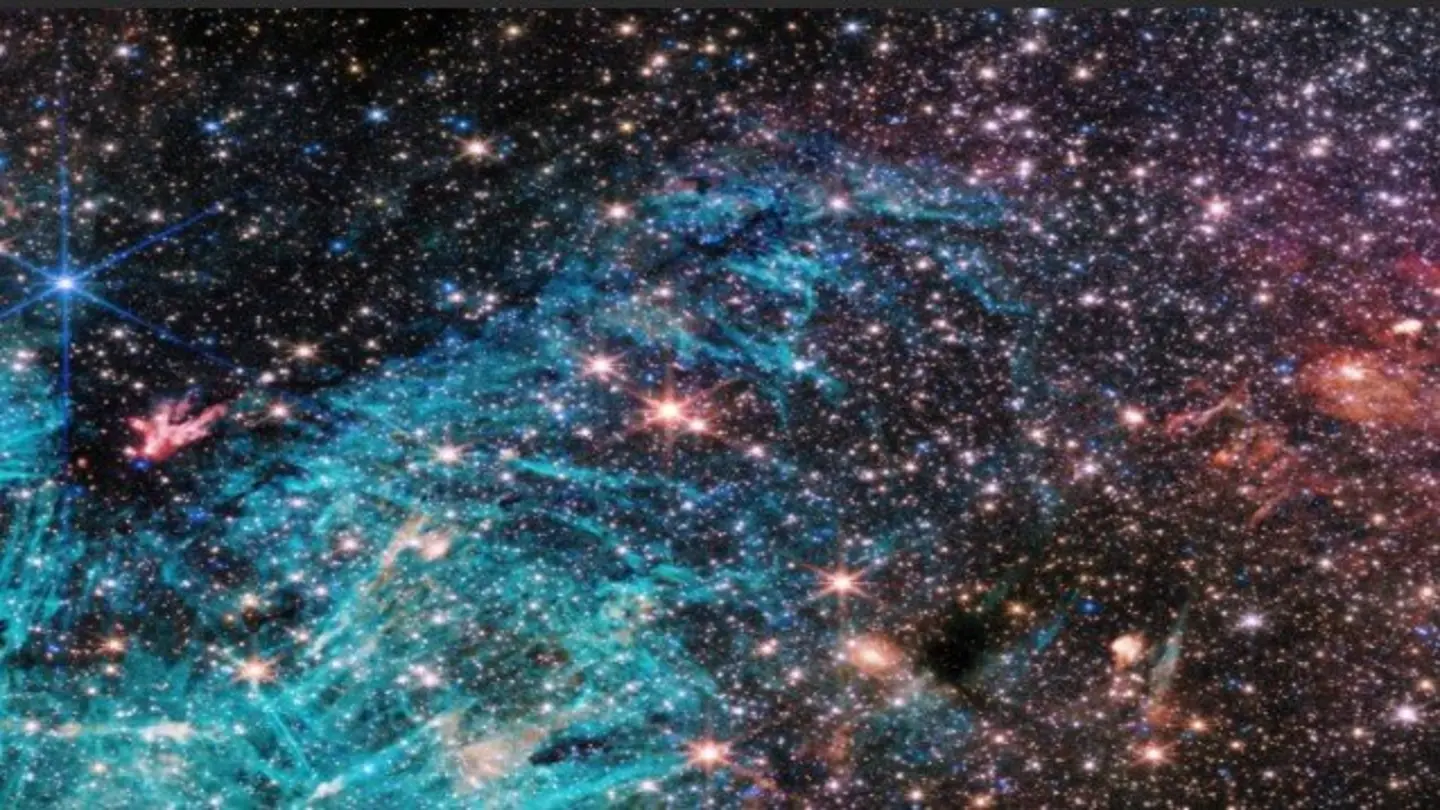
Indian astronomers have identified a 12-billion-year-old galaxy resembling our own Milky Way, using data from the James Webb Space Telescope (JWST). This significant discovery provides a glimpse into the early universe and could revolutionize our understanding of galaxy formation. The galaxy, observed as it existed just 1.8 billion years after the Big Bang, challenges existing theories about how spiral galaxies evolve over cosmic time.
Observational Details
The research team, comprising scientists from India, meticulously analyzed images captured by the JWST’s Near Infrared Camera (NIRCam). They identified the galaxy based on its distinct spiral structure, a characteristic previously thought to be rare in the early universe. The JWST’s advanced capabilities allowed the researchers to observe the galaxy with unprecedented clarity, overcoming limitations of previous telescopes. The galaxy’s redshift, a measure of how much its light has been stretched by the expansion of the universe, confirms its extreme age and distance.
Significance of the Discovery
This finding is crucial because it suggests that well-formed spiral galaxies existed much earlier than previously believed. Current models of galaxy formation typically predict that such structures would take longer to develop. The discovery of this ancient, Milky Way-like galaxy indicates that the processes governing galaxy formation in the early universe were more rapid or different than previously understood. Further study of this galaxy will help refine these models and provide insights into the conditions that allowed spiral structures to emerge so early in cosmic history.
Future Research Directions
The team plans to conduct more detailed analyses of the galaxy, examining its stellar populations, gas content, and dynamics. These investigations will provide a more complete picture of the galaxy’s properties and its evolution. The researchers also hope to identify other similar galaxies in the JWST data, which could help to establish a larger sample for statistical studies. This discovery highlights the power of the JWST to probe the distant universe and uncover new insights into the origins of galaxies.
The findings are expected to stimulate further research in the field of cosmology and galaxy evolution, potentially leading to a paradigm shift in our understanding of the universe. The collaborative effort of Indian scientists underscores the growing importance of international collaboration in advancing scientific knowledge.
Image Source: Google | Image Credit: Respective Owner