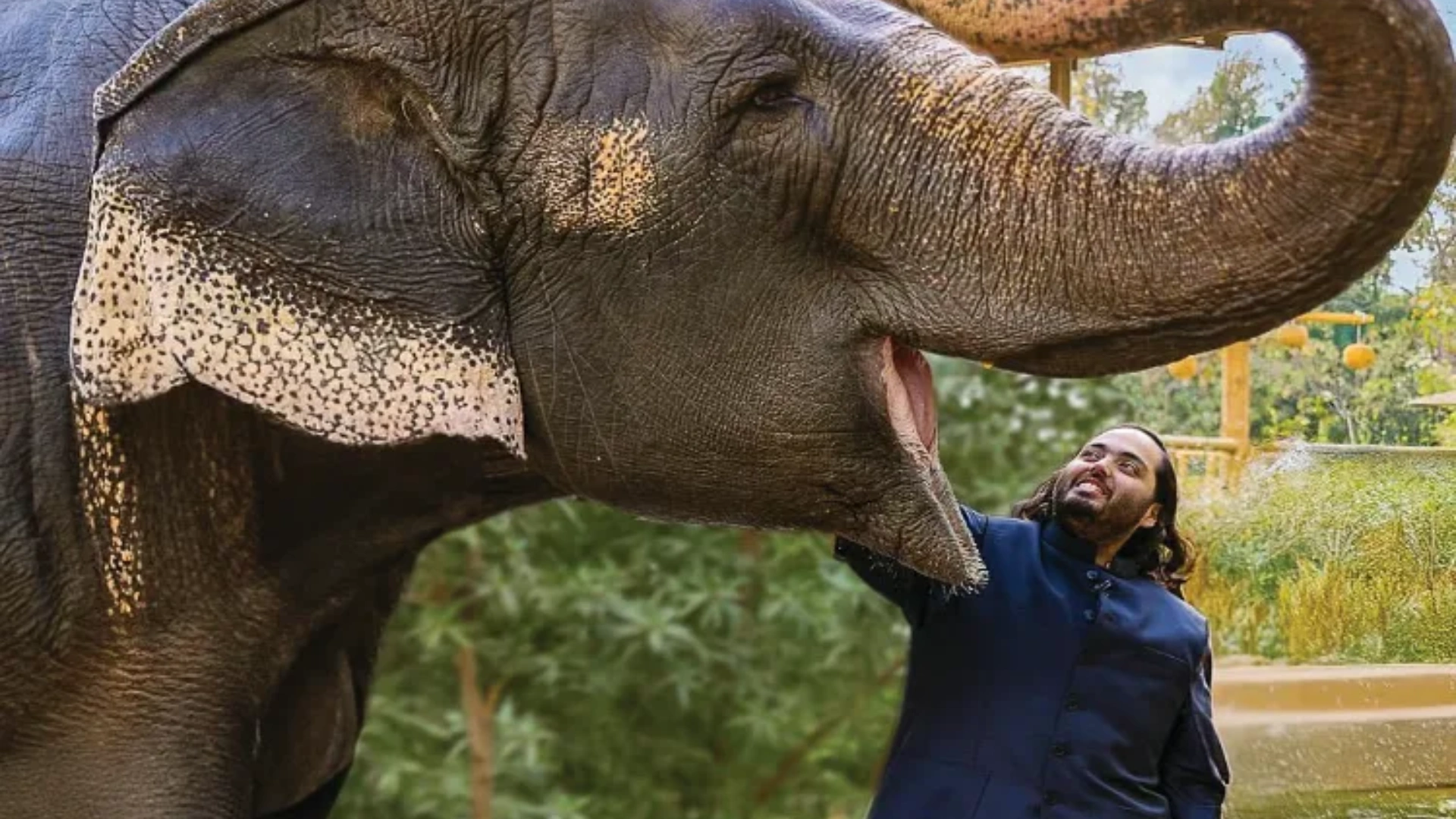
India’s top court has granted relief to Vantara, a private zoo and animal rescue center run by the family of billionaire Mukesh Ambani. The project, located in Jamnagar, Gujarat, has faced scrutiny from animal welfare activists but is now allowed to continue its operations under revised guidelines. The court’s decision acknowledges the project’s potential contributions to wildlife conservation while emphasizing the need for strict regulatory oversight.
Project Overview
Vantara, meaning ‘Star of the Forest,’ is an ambitious initiative by Reliance Industries, aiming to create a haven for rescued animals from across India and the globe. The facility spans hundreds of acres and houses a diverse range of species, including elephants, big cats, reptiles, and birds. Proponents of Vantara argue that it provides essential care and rehabilitation for animals in need, while critics express concerns about the ethical implications of keeping animals in captivity, regardless of the circumstances.
The legal challenge against Vantara stemmed from allegations of improper animal acquisition and inadequate care standards. Animal rights groups claimed that the zoo was not adhering to established protocols for wildlife management and that the animals were being subjected to undue stress. These claims led to a series of investigations and court hearings, culminating in the Supreme Court’s recent intervention.
Court’s Decision and Conditions
The Supreme Court, after reviewing the evidence and hearing arguments from both sides, decided to allow Vantara to continue operating, subject to several conditions. These conditions include regular inspections by government authorities, adherence to strict animal welfare standards, and transparency in the acquisition and management of animals. The court also emphasized the importance of collaboration between Vantara and established conservation organizations to ensure the long-term well-being of the animals.
Specifically, the court mandated that Vantara must obtain all necessary permits and clearances from relevant regulatory bodies, such as the Central Zoo Authority (CZA) and the Animal Welfare Board of India (AWBI). The CZA will conduct periodic evaluations of the facility to assess its compliance with national and international standards for zoo management. Any violations of these standards could result in penalties, including the suspension of operations.
Implications for Wildlife Conservation
The court’s decision has significant implications for wildlife conservation efforts in India. On one hand, it recognizes the potential role of private zoos and rescue centers in providing care for animals that cannot survive in the wild. On the other hand, it underscores the importance of stringent regulatory oversight to prevent abuse and ensure that animal welfare is prioritized. The case highlights the ongoing debate about the ethics of keeping animals in captivity and the need for a balanced approach that considers both conservation goals and animal rights.
The outcome also sets a precedent for other private animal facilities in India. It signals that such projects will be subject to increased scrutiny and must demonstrate a commitment to the highest standards of animal care. The involvement of a major corporation like Reliance Industries adds another layer of complexity, as the company’s actions will be closely watched by the public and the media. Ultimately, the success of Vantara will depend on its ability to operate transparently and responsibly, earning the trust of both the conservation community and the general public.
Image Source: Google | Image Credit: Respective Owner