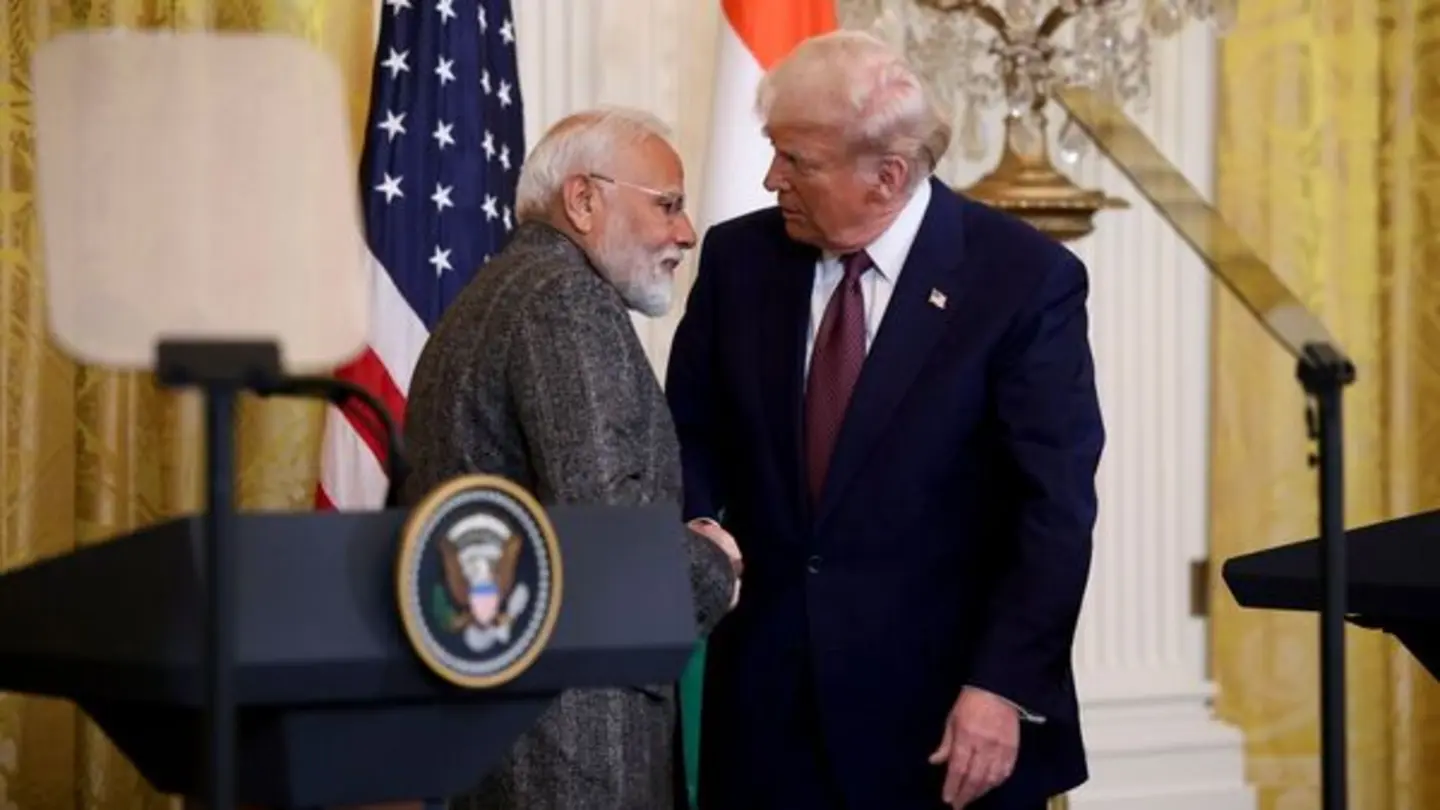
India has characterized its ongoing trade discussions with the United States as “constructive,” signaling a potential breakthrough in long-standing efforts to forge a comprehensive trade agreement. The focus remains on addressing key trade barriers and identifying mutually beneficial opportunities for economic cooperation.
“We are optimistic that an early resolution can be achieved,” stated a high-ranking official within the Indian Ministry of Commerce, emphasizing the commitment from both sides to expedite the negotiation process. The official highlighted that recent dialogues have centered on reducing tariffs on specific goods, streamlining regulatory procedures, and fostering greater investment flows between the two nations.
Areas of Focus
Several key sectors are at the forefront of the discussions. These include agriculture, pharmaceuticals, textiles, and digital trade. India is particularly keen on securing enhanced market access for its agricultural products, while the U.S. seeks greater intellectual property protection for its pharmaceutical industry. Both countries recognize the significance of the digital economy and are exploring ways to facilitate cross-border data flows and promote innovation in the technology sector.
The current discussions build upon previous engagements, including the Trade Policy Forum meetings and ministerial-level dialogues. These platforms have served as crucial avenues for identifying areas of convergence and addressing outstanding concerns. The ongoing negotiations also take place against the backdrop of evolving global trade dynamics, including supply chain disruptions and the rise of protectionist measures.
The pursuit of a trade deal with the United States aligns with India’s broader strategy of enhancing its economic engagement with key partners around the world. By fostering stronger trade and investment ties, India aims to boost its economic growth, create jobs, and enhance its global competitiveness. The United States, in turn, views India as a vital partner in the Indo-Pacific region and recognizes the potential for greater economic cooperation to advance shared interests.
Experts believe that a successful trade agreement between India and the U.S. could unlock significant economic benefits for both countries. It could lead to increased trade flows, greater investment, and the creation of new jobs. Moreover, it could send a positive signal to the global economy, demonstrating the commitment of the world’s two largest democracies to free and fair trade. The next round of talks is expected to focus on specific tariff reductions and non-tariff barriers. Both sides are aiming to finalize the agreement by the end of the year, but no firm deadline has been set.
The discussions are also expected to touch upon issues related to labor standards, environmental protection, and transparency in government procurement. These are areas where both countries have different regulatory frameworks, and finding common ground will be essential for reaching a mutually acceptable agreement. Stakeholders from both the public and private sectors are closely monitoring the progress of the trade talks, anticipating the potential benefits and challenges that a final agreement could bring.
Image Source: Google | Image Credit: Respective Owner