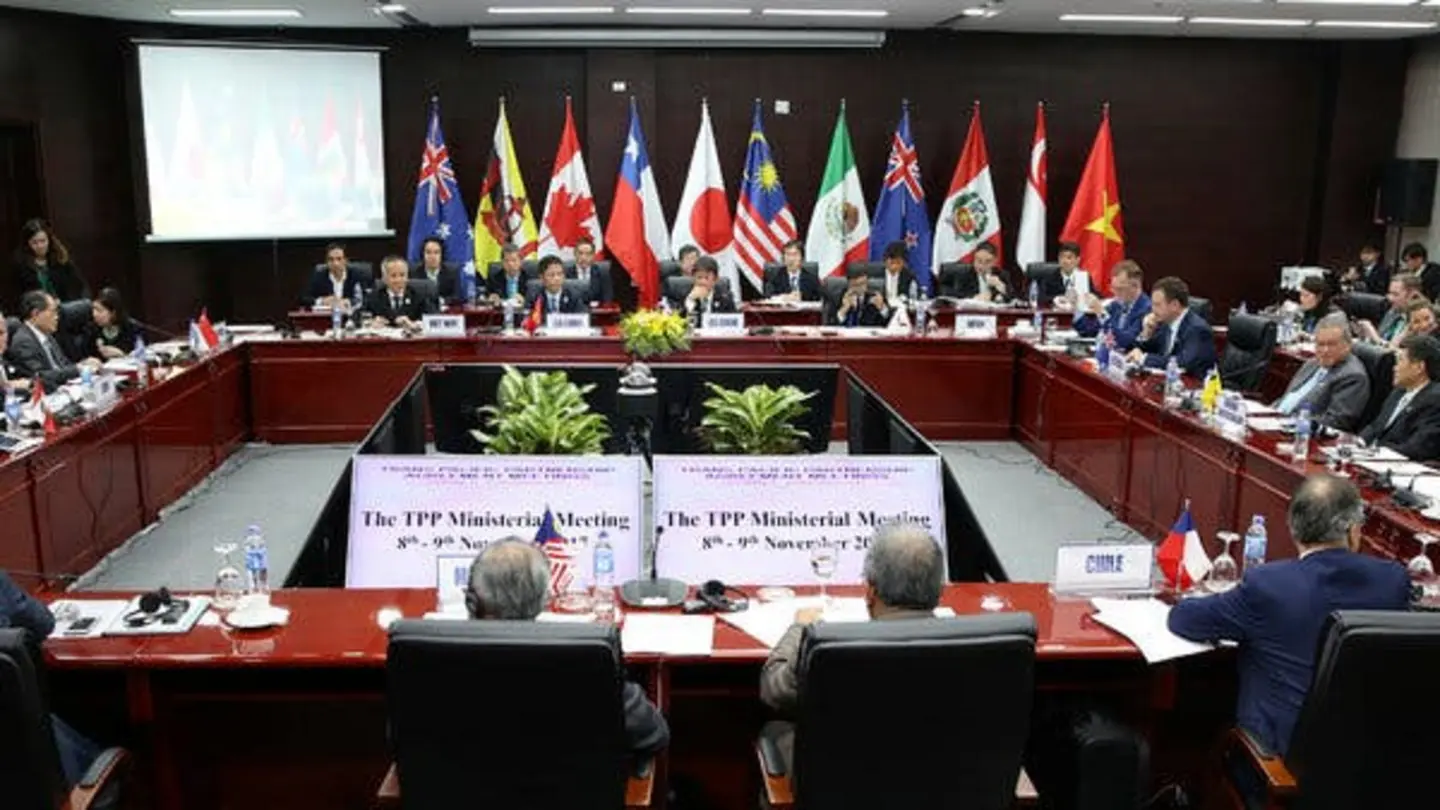
The United States trade delegation arrived in India today, marking a pivotal moment in the evolving trade relationship between the two nations. This high-level visit, led by key officials, signals a renewed focus on resolving longstanding trade disputes and exploring new areas of cooperation. The meeting comes at a critical juncture, with both countries seeking to balance economic interests amid shifting global trade dynamics.
Over the past year, tensions have flared over issues such as tariffs on Indian exports to the US, including agriculture and textiles, and restrictions on technology transfers. The Indian government has expressed concerns about market access, particularly for its pharmaceutical and service sectors. In response, the US has sought greater openness in India’s market for American goods and investment. Negotiations have been challenging, with both sides adjusting their positions to find common ground.
Key areas of discussion during the talks include easing tariffs on Indian goods, streamlining regulatory processes for US companies, and collaborative initiatives in technology and renewable energy. Both sides recognize the mutual benefits of a balanced trade relationship, which could boost economic growth and create jobs. Analysts note that a successful agreement would not only strengthen bilateral ties but also reinforce multilateralism in global trade forums.
Prior to this visit, the US had imposed higher tariffs on certain Indian products, citing unfair trade practices. India responded with retaliatory measures, affecting US agricultural exports. These escalations highlighted the fragile state of the partnership. However, recent signals suggest a willingness to de-escalate and pursue constructive dialogue. The current delegation includes negotiators experienced in previous trade talks, indicating a commitment to reaching a comprehensive deal.
The impact of any agreement extends beyond bilateral trade. For India, improved access to the US market could accelerate its economic expansion and enhance its credibility as a global trading partner. For the US, deeper ties with India offer a strategic counterbalance in the Indo-Pacific region amid growing competition with China. The talks also underscore the importance of trust and transparency in negotiation processes, challenges that previous rounds have faced.
Stakeholders on both sides remain cautiously optimistic. Business leaders emphasize the need for predictable trade policies to plan long-term investments. Labor unions in the US highlight concerns about job displacement, while Indian exporters worry about market volatility. Policymakers acknowledge these domestic pressures but stress the broader geopolitical and economic advantages of a strengthened partnership.
Upcoming negotiations are expected to delve into finer details, with a potential framework agreement anticipated by year-end. Success hinges on compromise and a shared vision for a mutually beneficial relationship. As the world navigates protectionist trends, the India-US dynamic could set a precedent for how major economies cooperate amid competing interests.
Experts warn that failure to reach an agreement could lead to further trade distortions and undermine global supply chains. The current administration in the US prioritizes economic nationalism, while India seeks to leverage its demographic dividend and strategic location. Balancing these agendas requires nuanced diplomacy. Both nations have previously collaborated on climate change and defense, providing a foundation for trust. The trade talks, therefore, are not just about economics but also about aligning strategic interests in a multipolar world.
Image Source: Google | Image Credit: Respective Owner