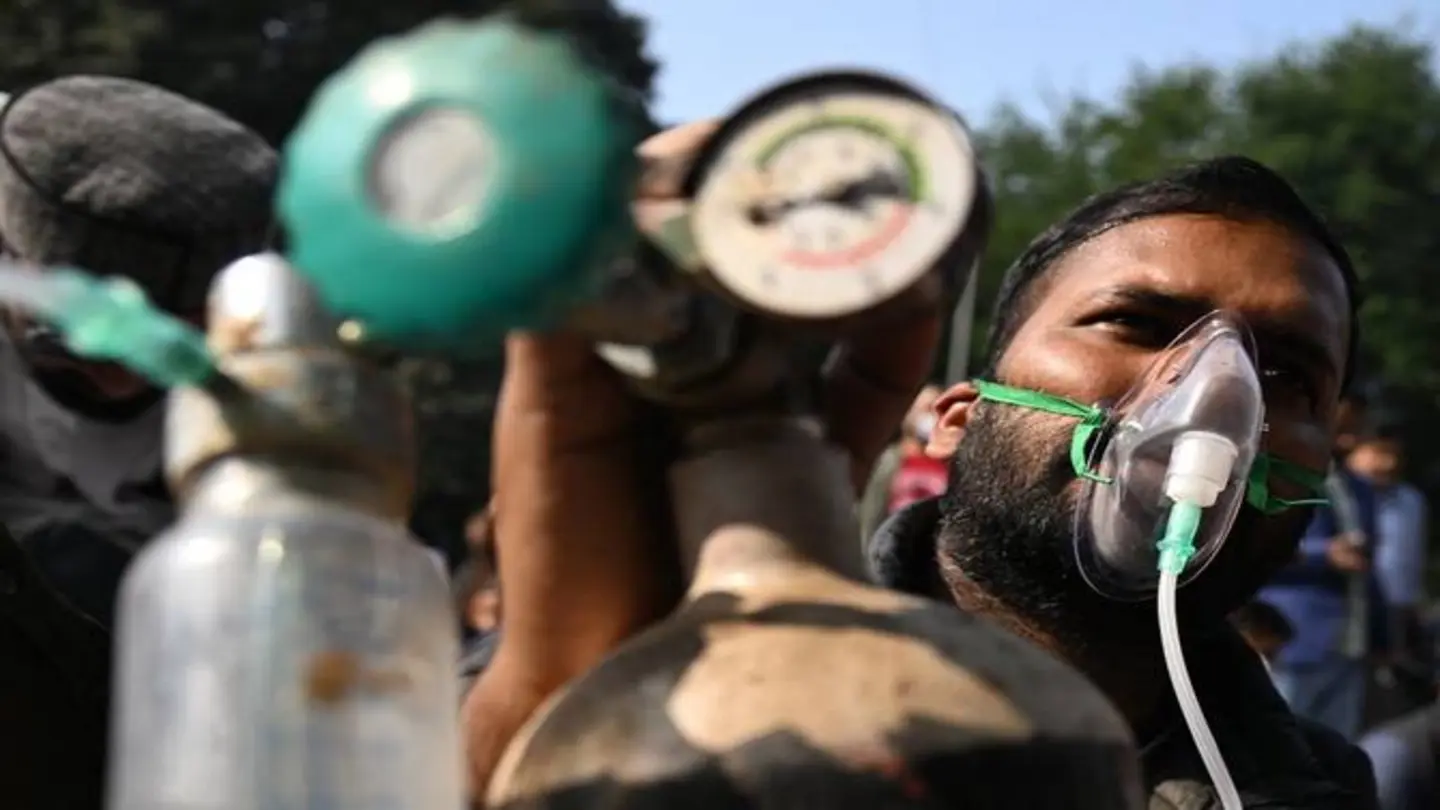
New Delhi, India – As Delhi’s air quality plunges to hazardous levels this winter, the national government has announced stringent pollution control measures aimed at mitigating the crisis. The capital has repeatedly breached dangerous pollution thresholds, forcing schools to close and triggering widespread health alerts.
The latest action plan includes a complete ban on construction and demolition activities until further notice, a measure designed to reduce dust particles that contribute significantly to the city’s toxic atmosphere. Authorities have also imposed stricter emission norms on industries operating within a 100-kilometer radius of Delhi, requiring immediate installation of advanced filtration systems.
A critical component of the new strategy involves restricting the entry of heavy trucks into Delhi unless they meet stringent emission standards. This follows reports that over 40% of particulate matter in Delhi’s air originates from vehicle emissions and neighboring states’ industrial zones. The government has additionally halted all non-essential government construction projects.
Environmental experts attribute this year’s severe pollution to multiple factors including stubble burning in Punjab and Haryana, unfavorable weather conditions trapping pollutants near the ground, and increased industrial activity. Satellite imagery shows massive plumes of smoke drifting from agricultural fields into the capital.
Health officials have reported a sharp increase in respiratory illnesses, particularly among children and the elderly. Hospitals are preparing emergency response protocols as pollution-related admissions exceed capacity. The state health ministry has issued advisories urging citizens to remain indoors with windows sealed and use air purifiers where available.
Public transportation faces disruption as authorities consider odd-even vehicle restrictions to reduce traffic-related emissions. Meanwhile, the Delhi government has launched a public awareness campaign urging citizens to avoid open burning of waste and use designated collection points instead.
Critics argue the measures come too late and demand more aggressive action, including a complete shutdown of the most polluting industries. Environmental activists have staged protests calling for enforcement of existing pollution laws rather than temporary bans that can be easily circumvented.
The federal government faces mounting pressure to coordinate a pan-national response, as pollution in Delhi often originates from upstream states. A high-level meeting of chief ministers from affected regions is scheduled to discuss a unified strategy that addresses agricultural burning, industrial emissions, and vehicular pollution.
With winter temperatures dropping and inversion layers expected to persist, officials warn that Delhi’s air quality may remain poor for several more weeks. The success of current measures will likely determine whether the city avoids a public health emergency comparable to previous record-breaking pollution events.
Image Source: Google | Image Credit: Respective Owner