Mass Flight Disruptions and Government Intervention
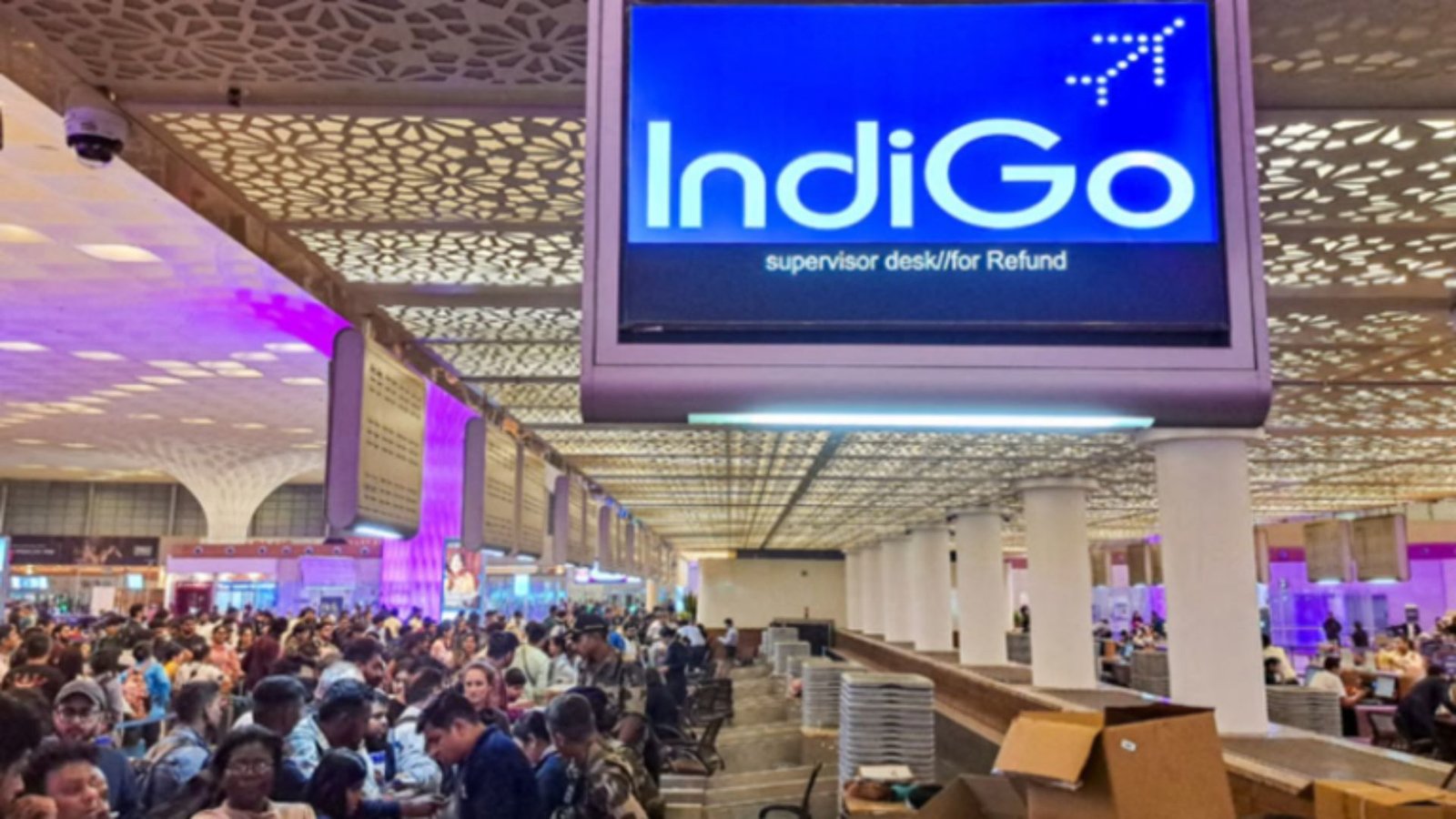
IndiGo, India’s largest private airline, faced unprecedented operational challenges this week following a cascade of flight cancellations that left thousands of passengers stranded across major hubs. The airline abruptly canceled over 150 flights within a single day, citing technical and staffing issues as primary causes. Delays rippled across connecting services, disrupting travel plans for domestic and international routes.
In response, the Indian government deployed emergency personnel to IndiGo’s headquarters in Gurgaon to coordinate crisis management and ensure passenger welfare. Officials emphasized the need for transparency and swift resolution, with the Civil Aviation Ministry maintaining direct oversight of recovery efforts. The intervention underscores growing scrutiny of aviation stability amid rising travel demand.
Operational Breakdown and Passenger Impact
The sudden collapse of IndiGo’s schedule exposed systemic vulnerabilities in India’s aviation sector. Maintenance crews reported unforeseen aircraft defects, while pilots and cabin crew cited scheduling overruns and fatigue. Passengers described chaotic scenes at terminals, with limited rebooking options and delayed compensation payouts. Many were forced to seek alternative transport, inflating costs and frustration levels.
Industry analysts attribute the crisis to aggressive expansion coupled with insufficient risk mitigation. IndiGo had recently launched multiple new routes to meet surging post-pandemic traffic, stretching resources thin. Competitors expressed concern over potential market destabilization, though none matched IndiGo’s scale of disruption.
Corporate Response and Recovery Plans
IndiGo executives acknowledged errors in workforce allocation and maintenance forecasting, promising reforms. A spokesperson announced a revised operational framework, including increased technician hires and enhanced aircraft inspection protocols. The carrier pledged full compensation for affected travelers, though implementation timelines remain unclear.
Government auditors have begun reviewing IndiGo’s compliance records, focusing on safety certifications and labor practices. Regulators may impose fines if negligence is proven, marking a pivotal moment for corporate accountability in India’s aviation landscape. Experts warn that similar risks could confront other low-cost carriers without regulatory intervention.
Long-Term Implications for Indian Aviation
The incident has ignited debate over sustainable growth models within India’s booming air travel sector. Policy makers advocate for stricter capacity controls and mandatory contingency planning. Passenger rights groups demand clearer compensation frameworks for service failures, potentially influencing upcoming aviation legislation.
IndiGo’s market share faces short-term pressure, with analysts predicting revenue losses exceeding ₹20 billion. Recovery hinges on restoring passenger trust and regulatory approval. Industry observers suggest this crisis may accelerate consolidation, favoring larger carriers with robust operational buffers.
As investigations continue, India’s aviation authority faces the delicate task of balancing oversight with sector growth. The outcome will shape future investment patterns and service standards nationwide, testing the resilience of one of the world’s fastest-expanding air markets.
Image Source: Google | Image Credit: Respective Owner