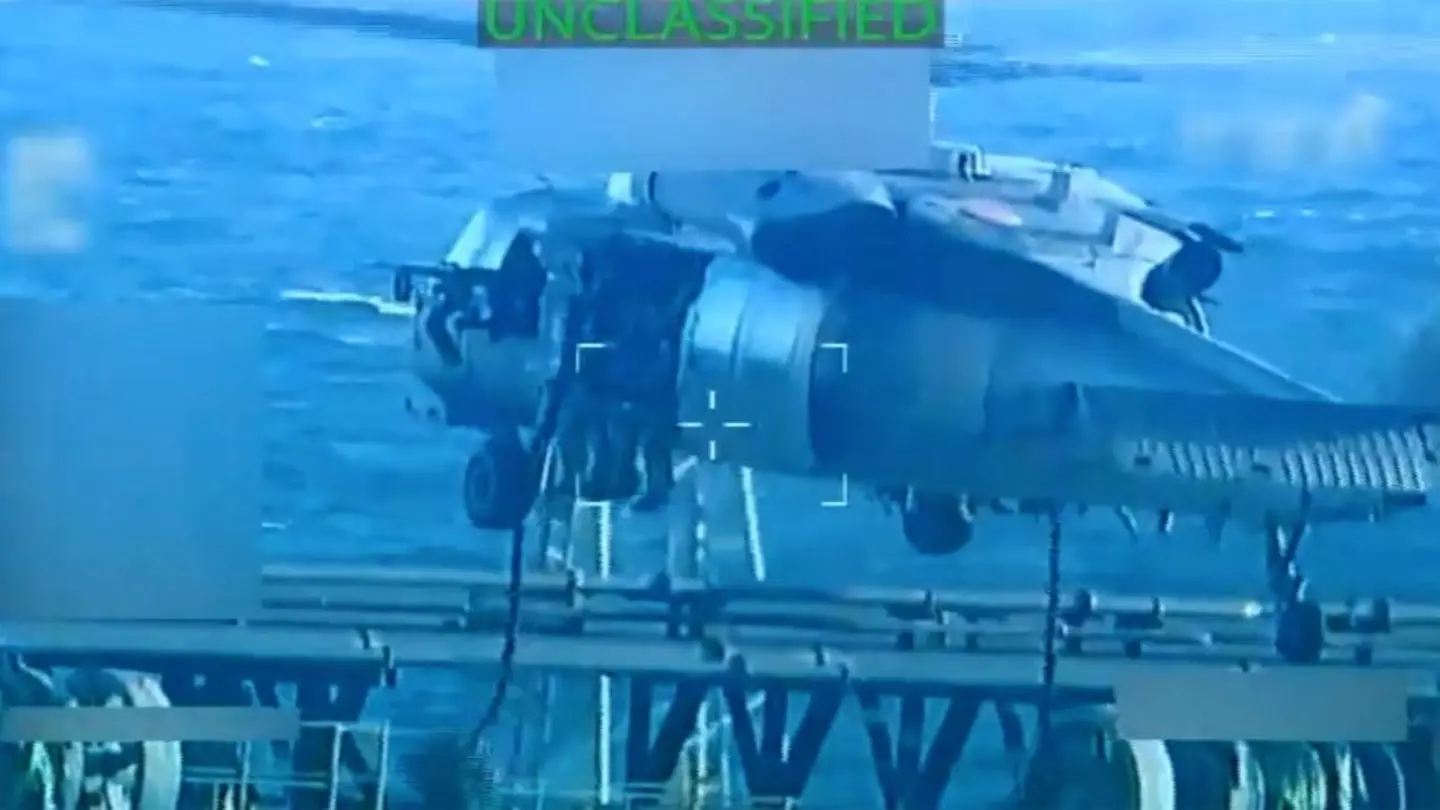
Indian authorities intercepted three commercial tankers suspected of Iranian ties and U.S. sanctions violations off the western coast near Goa on Tuesday, according to a government source cited by Reuters. The vessels—MV Singapore, MV Triton, and MV Ocean Legacy—are currently held at Kochi and Mumbai ports for inspection and legal proceedings after allegedly carrying crude oil cargoes from Iranian ports. New Delhi justified the seizure under domestic laws enforcing international sanctions, specifically citing breaches of U.S. restrictions on shipping oil to entities sanctioned over nuclear activities. This action reflects India’s commitment to upholding sanctions amid complex geopolitical pressures, though legal ambiguities persist regarding the extraterritorial application of such penalties in its maritime jurisdiction.
Legal Framework and Regional Impact
The Ministry of External Affairs issued a brief statement confirming the government’s awareness of the incidents but refrained from detailed comments on ongoing investigations. Maritime security agencies collaborated with customs authorities to verify the tankers’ compliance with sanctions lists maintained by the United States, European Union, and United Nations. Critics warn the seizures could strain India-Iran relations, as New Delhi balances strategic ties—including energy imports and port access—with Western economic penalties. U.S. State Department officials welcomed India’s cooperation, noting the steps align with Washington’s sanctions regime despite existing tensions over broader regional policies, such as India’s defense engagements with Tehran.
Industry insiders suggest the seized tankers represent broader patterns of Iranian sanctions evasion, where enforcement remains patchy across South Asia due to differing legal interpretations and limited maritime patrols. Maritime insurers are revising risk assessments for ports handling Iranian-linked cargo, potentially increasing shipping costs and insurance premiums in the region. Legal experts caution prolonged detention could trigger arbitration claims under the United Nations Convention on the Law of the Sea (UNCLOS), especially if vessel owners dispute the seizure’s legality. The Indian government faces pressure to demonstrate transparent adjudication processes to avoid accusations of arbitrary asset confiscation, which could damage its maritime industry reputation.
This episode underscores New Delhi’s delicate position as both a U.S. strategic partner and a key regional player seeking energy security through ties with Iran. Analysts note that while India has enforced sanctions to appease Western allies, its inconsistent enforcement history—particularly in past instances involving Iranian-linked vessels—may invite skepticism about the motives behind current actions. Upcoming parliamentary discussions may clarify the extent of executive authority in sanction enforcement cases, but delayed action could worsen diplomatic friction. The long-term impact hinges on transparent adjudication processes and how India navigates competing imperatives in its maritime and energy policies amid evolving U.S.-Iran relations.
Image Source: Google | Image Credit: Respective Owner