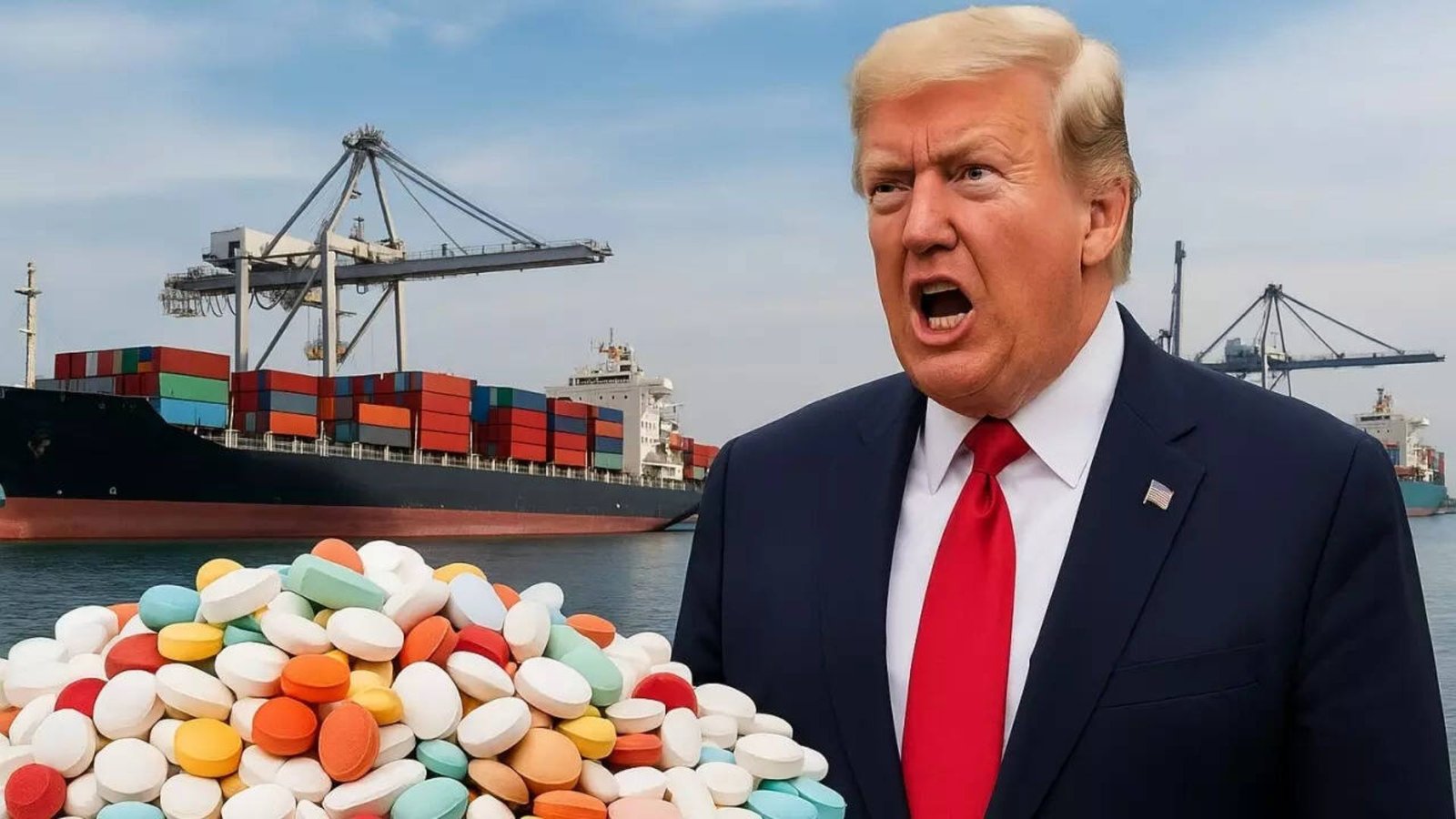
India is closely monitoring the potential impact of former US President Donald Trump’s proposal to impose 100% tariffs on drug imports from the country, according to sources within the Ministry of Commerce. Trump, who is campaigning for a return to the White House, has repeatedly criticized what he perceives as unfair trade practices by other nations, particularly in the pharmaceutical sector. The proposed tariffs have raised concerns within the Indian pharmaceutical industry, which is a significant exporter of generic drugs to the United States.
Industry Concerns and Government Response
The Indian government has acknowledged the potential adverse effects of such tariffs on the country’s pharmaceutical exports. Officials have stated that they are assessing the situation and exploring all possible avenues to address the issue, including engaging in dialogue with the US administration. The Indian pharmaceutical industry is a major contributor to the country’s economy, and any significant disruption to its exports could have repercussions for jobs and investment.
“We are aware of the statements made regarding tariffs and are evaluating the potential consequences,” said a senior official from the Ministry of Commerce, speaking on condition of anonymity. “We are committed to protecting the interests of our domestic industries and will take appropriate measures to ensure fair trade practices.”
The proposed tariffs have also sparked discussions among industry experts and trade analysts, who are divided on their potential impact. Some believe that the tariffs could lead to a significant decline in Indian pharmaceutical exports to the US, while others argue that the industry is resilient enough to withstand the challenges.
One industry analyst noted, “While the tariffs would undoubtedly create headwinds for Indian pharmaceutical companies, they are also likely to incentivize them to diversify their export markets and focus on developing innovative drugs.”
The Indian government is also considering approaching the World Trade Organization (WTO) if the tariffs are implemented, arguing that they violate international trade agreements. However, such a move could be a lengthy and complex process.
Impact on US Consumers
Experts also suggest that the tariffs could negatively impact US consumers by increasing the cost of prescription drugs. India is a major supplier of affordable generic drugs to the US market, and any increase in prices could disproportionately affect low-income individuals and those with chronic illnesses.
The situation remains fluid, and the Indian government is closely monitoring developments in the US. Further discussions and negotiations are expected in the coming months as both countries seek to find a mutually acceptable resolution.
The Indian government’s immediate response indicates a cautious but vigilant approach, underscoring the importance of the pharmaceutical trade relationship between India and the United States.
India will likely engage with the United States through diplomatic channels and explore potential trade negotiations to mitigate the impact of the proposed tariffs.
Image Source: Google | Image Credit: Respective Owner