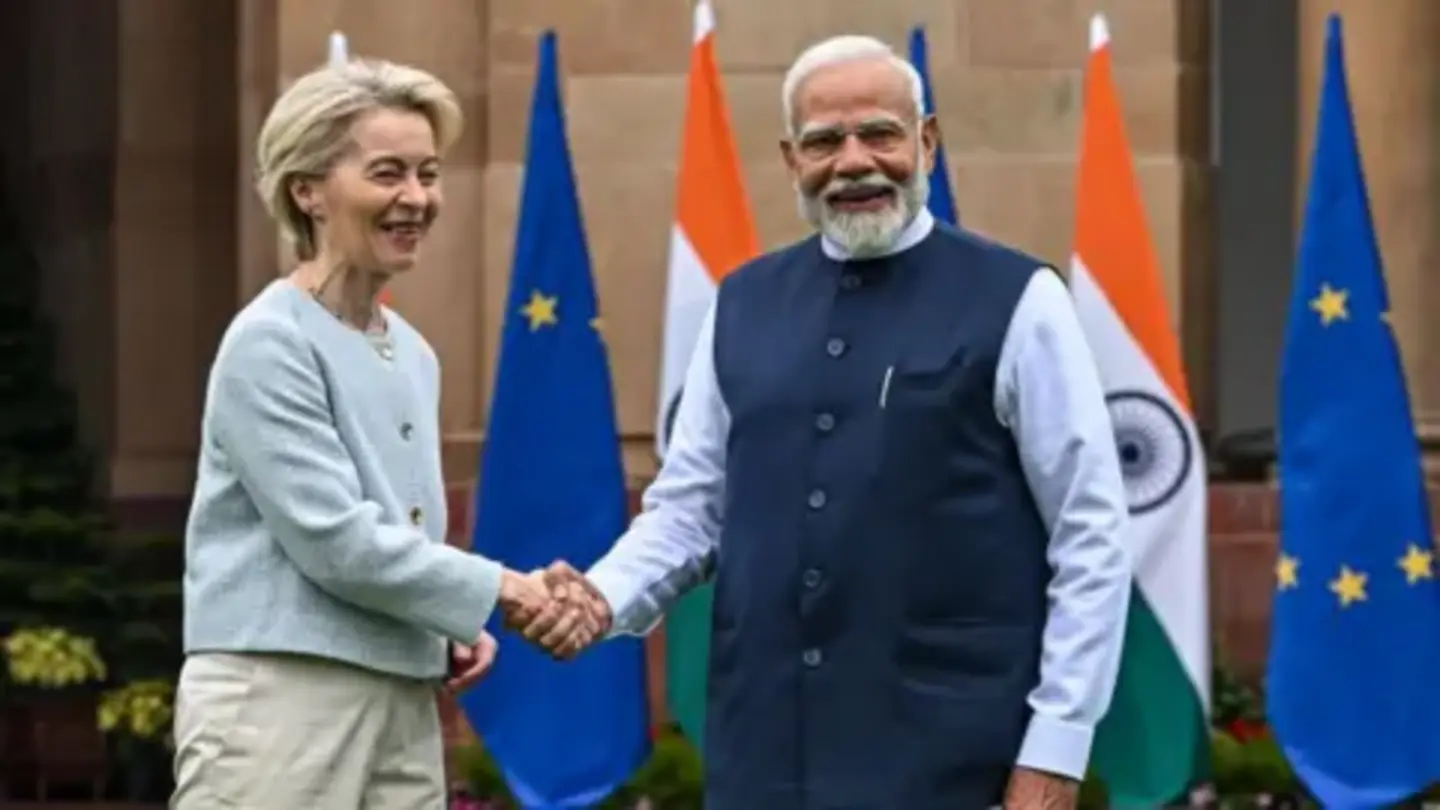
India is on the cusp of finalizing a significant trade agreement, potentially dubbed the “mother of all trade deals,” with multiple nations including the European Union, the UK, and countries within the Indo-Pacific region. This multifaceted approach to trade liberalization signals a major shift in India’s economic strategy, moving beyond bilateral agreements towards broader, more impactful partnerships.
The ongoing negotiations with the European Union, after a pause of over a decade, are showing promising signs of progress. Key sticking points, such as data localization and geographical indications (GIs), are being actively addressed. A successful EU-India trade deal would create one of the world’s largest integrated markets, boosting economic growth for both regions. The EU is seeking greater access to India’s vast market, while India aims for increased investment and technology transfer.
Simultaneously, India is aggressively pursuing a free trade agreement (FTA) with the United Kingdom. Post-Brexit, the UK is eager to forge closer economic ties with India, and negotiations are focused on reducing tariffs, streamlining regulations, and enhancing cooperation in sectors like services, healthcare, and education. The UK views India as a crucial partner in the Indo-Pacific region, and a comprehensive FTA is considered a high priority.
Beyond Europe, India is a key player in the Indo-Pacific Economic Framework (IPEF), a US-led initiative aimed at establishing common standards in areas like supply chains, clean energy, and fair trade. While IPEF is still in its early stages, it represents a significant opportunity for India to deepen its economic engagement with countries in the region, including Australia, Japan, and several ASEAN nations. This framework is seen as a counterweight to China’s growing economic influence.
Impact on the Indian Economy
These trade deals are expected to have a substantial impact on the Indian economy. Increased exports will boost manufacturing and create jobs. Greater foreign investment will provide capital for infrastructure development and technological innovation. Reduced tariffs will lower costs for consumers and businesses. Furthermore, the agreements are likely to promote greater competition and efficiency within the Indian economy.
However, challenges remain. India needs to address concerns related to intellectual property rights, labor standards, and environmental regulations to ensure a level playing field. Domestic industries may also face increased competition from imports, requiring government support to adapt and upgrade. Successfully navigating these challenges will be crucial to maximizing the benefits of these trade agreements.
The government is actively working to prepare the domestic economy for these changes, focusing on improving infrastructure, simplifying regulations, and enhancing the skills of the workforce. The emphasis is on making India a more attractive destination for foreign investment and a more competitive player in the global market. The potential for economic growth and job creation is immense, positioning India as a key driver of the global economy in the years to come. The speed of finalization and implementation will be critical to realizing these benefits.
Analysts predict that the combined effect of these trade deals could add several percentage points to India’s GDP growth rate, making it one of the fastest-growing major economies in the world. The focus now is on converting these negotiations into tangible outcomes that benefit all stakeholders.
Image Source: Google | Image Credit: Respective Owner