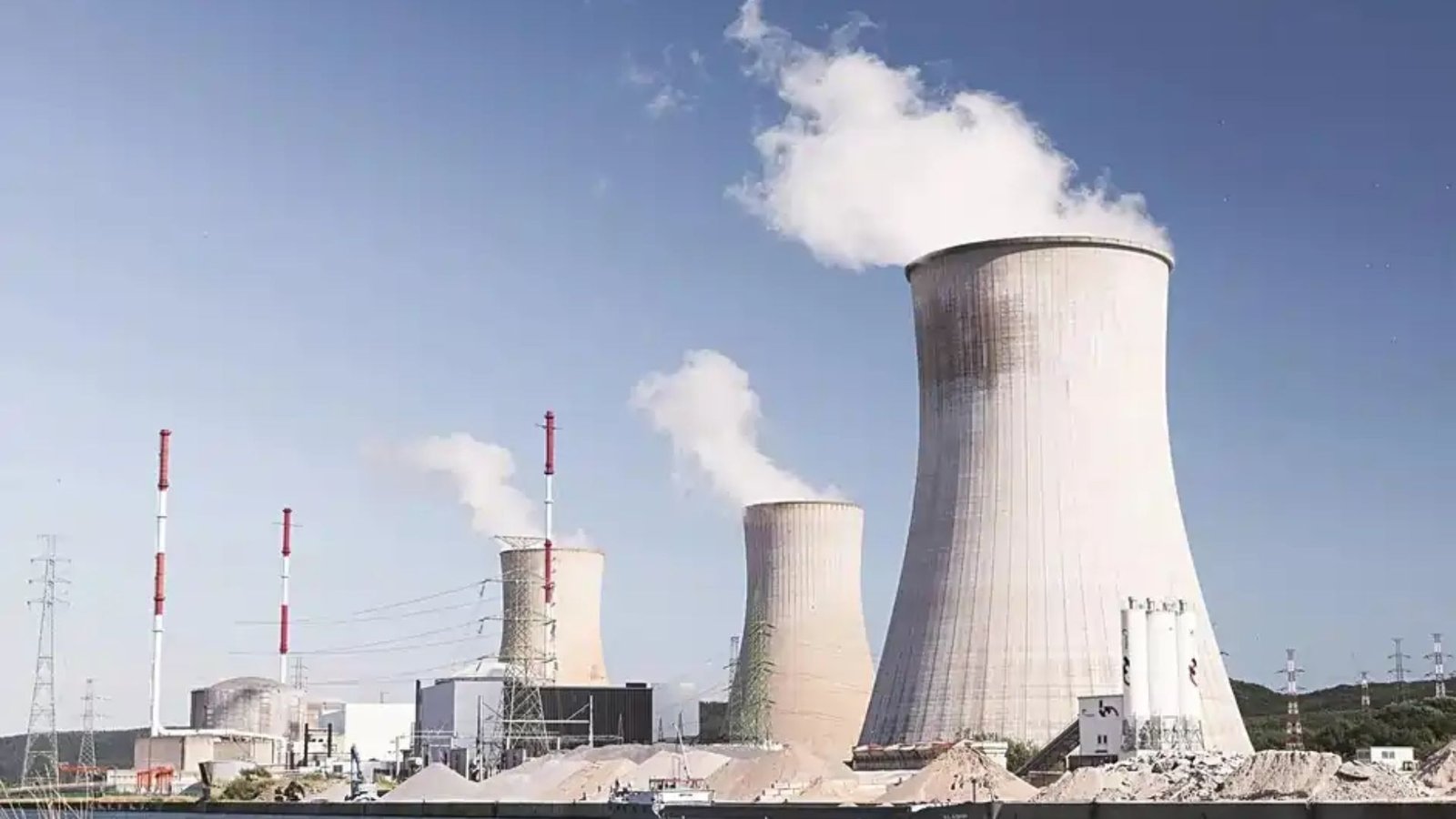
In a historic move that marks the end of the state monopoly, the Indian Parliament has passed the SHANTI Bill, a landmark legislation that opens the country’s nuclear power sector to private players for the first time. The bill’s approval represents India’s most significant energy sector reform in the past two decades and positions the nation among a select group of countries that have liberalized their nuclear power industries to attract private investment.
The legislation, formally titled the ‘Sustainable, Hastened Advancement in Nuclear Technology Integration’ Bill, received overwhelming parliamentary support with both houses approving the measure by substantial margins. The government hailed the move as essential for achieving India’s ambitious clean energy goals and boosting the country’s nuclear power capacity from the current 7,480 megawatts to 22,480 megawatts by 2031.
Key Provisions and Implications
Under the SHANTI framework, private companies can now invest in, construct, and operate nuclear power plants across India. Previously, nuclear energy generation was exclusively controlled by the state-owned Nuclear Power Corporation of India Limited (NPCIL). The new legislation establishes a comprehensive regulatory structure that allows private entities to participate in all aspects of nuclear power generation while maintaining stringent safety protocols.
The bill creates a new regulatory authority tasked with overseeing private sector participation and ensuring compliance with international safety standards. Private companies will be required to partner with NPCIL for technology transfer and operational expertise, particularly in the crucial areas of reactor safety and spent fuel management.
Economic and Strategic Impact
Energy sector analysts estimate that the nuclear power liberalization could attract investments exceeding $26 billion over the next decade. The influx of private capital is expected to accelerate the deployment of advanced reactor technologies and significantly reduce project completion timelines, which have historically averaged 10-15 years for state-operated nuclear plants.
The timing of this reform is crucial for India’s energy security strategy. With electricity demand projected to increase by 150% over the next twenty years, nuclear power presents a vital low-carbon energy source that can provide reliable baseload power to complement intermittent renewable sources like solar and wind.
Environmental experts have welcomed the move, noting that increasing nuclear power capacity will help India meet its commitments under the Paris Climate Agreement. Nuclear energy currently accounts for approximately 3% of India’s total electricity generation, and the government aims to increase this share to 9% by 2047.
International nuclear technology providers, including companies from France, Russia, and the United States, are expected to benefit from the market opening. The bill allows for technology partnerships between Indian private companies and foreign nuclear vendors, potentially accelerating the deployment of advanced reactor designs and small modular reactors.
While the legislation has received broad support, some opposition leaders have raised concerns about safety oversight and the potential for cost escalation in nuclear power projects. The government has emphasized that the regulatory framework includes strict provisions for safety monitoring and emergency preparedness protocols.
Image Source: Google | Image Credit: Respective Owner