India’s Delicate Balancing Act Ahead of PM’s Israel Trip
New Delhi – As Prime Minister Narendra Modi prepares for a highly anticipated visit to Israel, India is engaged in a complex diplomatic balancing act, hosting a significant gathering of Arab Foreign Ministers in New Delhi. This strategic move underscores India’s commitment to maintaining strong relationships with both Israel and its traditional Arab partners, a delicate tightrope walk in the region’s evolving geopolitical landscape.
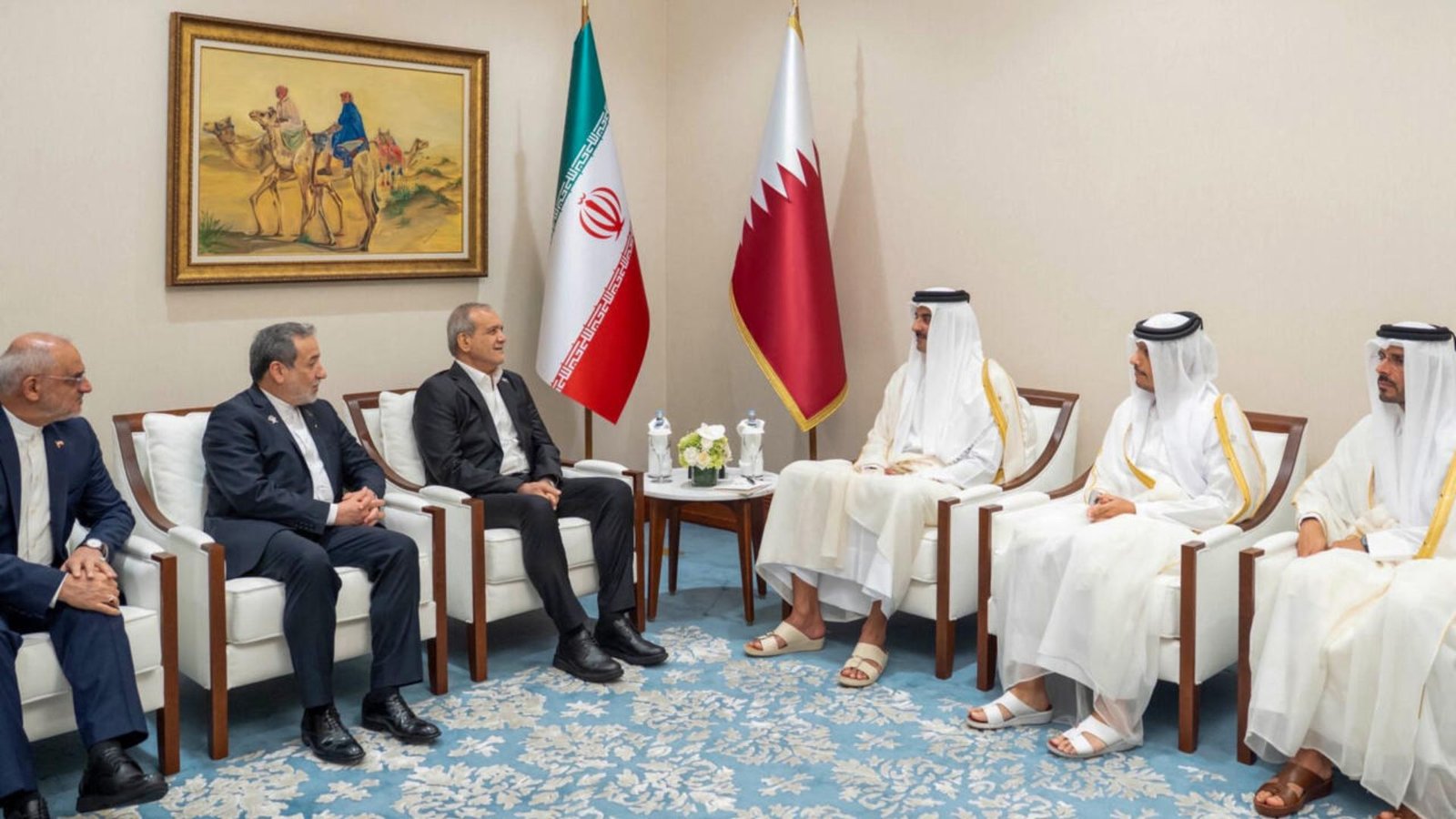
The meeting, held on Tuesday, saw participation from ministers representing countries like Saudi Arabia, Oman, Qatar, and the United Arab Emirates – nations that have recently normalized relations with Israel under the Abraham Accords. This represents a historic shift in regional dynamics, and India’s role as a facilitator and bridge between these diverse groups is increasingly important.
The Hindu reports that the discussions centered around bolstering economic cooperation, enhancing security ties, and addressing shared concerns such as maritime security and counter-terrorism. The Indian government is keen to leverage this opportunity to deepen engagement with the Arab world, recognizing the growing economic and strategic importance of the region.
Strategic Significance of the Gathering
India’s approach reflects its ‘Neighborhood First’ policy, aimed at strengthening ties with its immediate neighbors. However, the simultaneous engagement with Israel and the Arab states presents a unique challenge. India has historically maintained a cautious approach towards Israel, prioritizing its relationships with Muslim-majority nations. The recent normalization of relations between Israel and several Arab countries has forced India to recalibrate its foreign policy, seeking to maintain a balance between its historical commitments and the realities of the new geopolitical order.
The visit to Israel is expected to further solidify this relationship, focusing on technological cooperation, defense partnerships, and trade. The presence of Arab foreign ministers in New Delhi signals India’s desire to be a central player in shaping the future of the Middle East, fostering dialogue and promoting stability.
The Indian government is keen to portray itself as a neutral mediator, facilitating cooperation between all parties involved. This delicate balancing act requires careful diplomacy and a nuanced understanding of the complex regional dynamics. The success of India’s efforts will depend on its ability to maintain trust and confidence among all stakeholders, while simultaneously advancing its own strategic interests.
The meeting comes at a crucial time, as the Middle East continues to grapple with various challenges, including the ongoing conflict in Yemen, the situation in Syria, and the evolving dynamics in Lebanon. India’s role as a responsible and influential global power is being tested as it navigates these complexities. The upcoming visit to Israel and the subsequent engagement with Arab foreign ministers are expected to provide further insights into India’s evolving foreign policy and its vision for the region.
Image Source: Google | Image Credit: Respective Owner