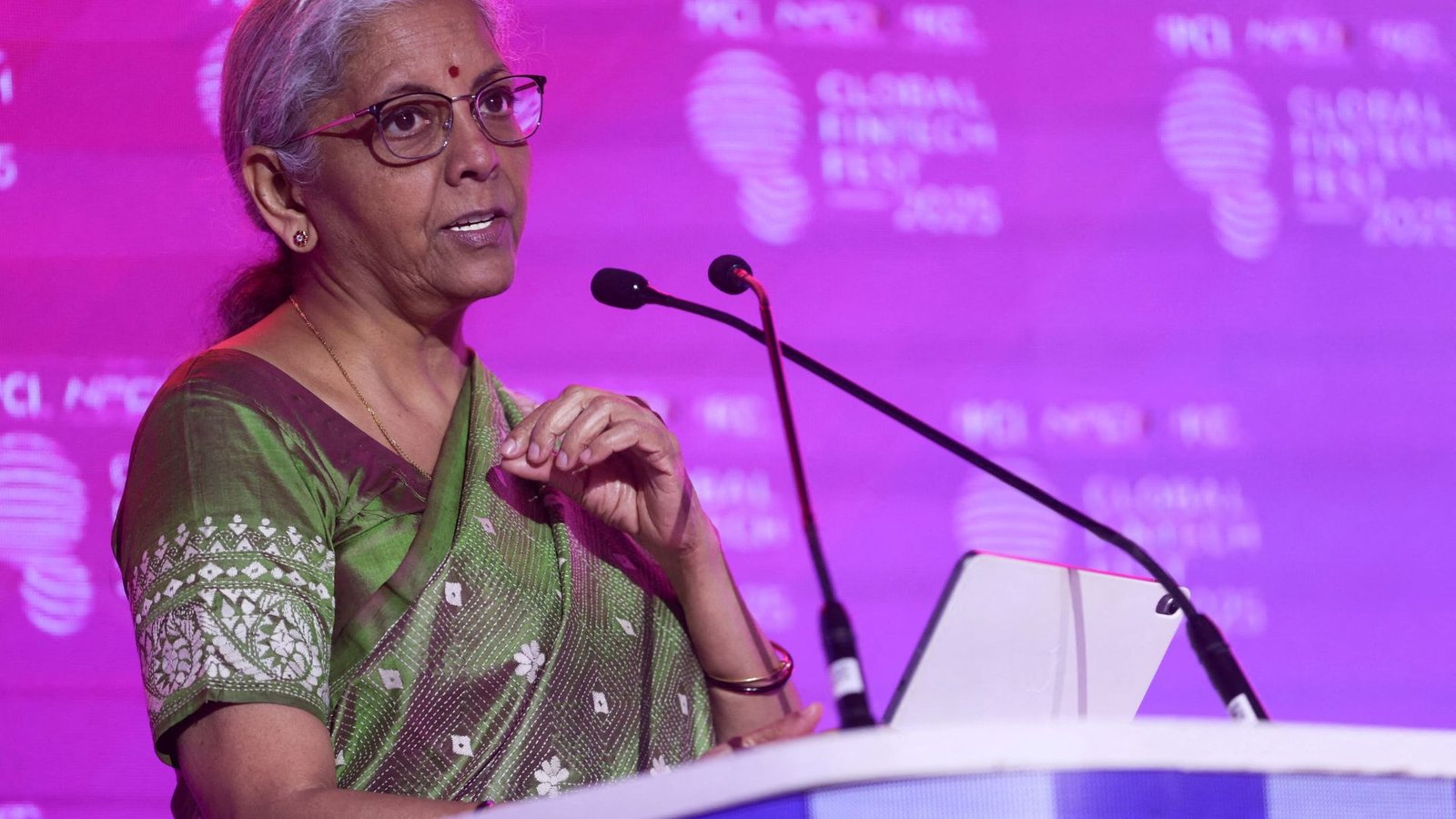
India is exploring the creation of larger banks, potentially through mergers, according to the country’s Finance Minister. This initiative aims to bolster the financial sector and enhance its capacity to support the nation’s growing economy. The move comes as India seeks to strengthen its banking infrastructure to meet the increasing demands of businesses and individuals alike.
The Finance Minister emphasized the importance of having robust financial institutions that can compete on a global scale. By consolidating smaller banks into larger entities, India hopes to create institutions with greater capital reserves, improved risk management capabilities, and a broader range of services. This consolidation could lead to more efficient operations and better customer service.
Potential Benefits of Bank Mergers
The potential benefits of merging banks are numerous. Larger banks can leverage economies of scale, reducing operational costs and improving profitability. They can also invest more in technology and innovation, enhancing their competitiveness in the digital age. Furthermore, bigger banks are better positioned to finance large-scale infrastructure projects and support the growth of key sectors of the economy.
However, the process of merging banks is complex and requires careful planning and execution. It involves integrating different organizational cultures, systems, and processes. It is crucial to address potential challenges related to employee integration, branch rationalization, and customer communication to ensure a smooth transition.
The government is expected to play a key role in facilitating these mergers, providing guidance and support to the banks involved. Regulatory approvals and legal frameworks will also need to be streamlined to expedite the process. The Reserve Bank of India (RBI) will likely be closely involved in overseeing the mergers to ensure stability and soundness of the financial system.
Impact on the Indian Economy
The creation of bigger banks is expected to have a significant impact on the Indian economy. These institutions will be better equipped to provide credit to businesses, fostering investment and growth. They can also play a crucial role in promoting financial inclusion, reaching out to underserved communities and providing access to banking services.
The mergers are also expected to improve the overall efficiency of the banking sector, leading to lower borrowing costs and increased competitiveness. This, in turn, can benefit consumers and businesses alike. The government hopes that these measures will contribute to a stronger and more resilient financial system that can support India’s long-term economic growth.
While specific details about potential merger candidates remain undisclosed, the Finance Minister’s statement underscores the government’s commitment to strengthening the banking sector. The focus now shifts to identifying suitable candidates and developing a comprehensive plan to ensure a successful and seamless merger process.
Ultimately, the goal is to create a banking landscape that is both robust and dynamic, capable of supporting India’s ambitious economic aspirations and competing effectively in the global marketplace. The initiative reflects a broader strategy to enhance India’s financial infrastructure and promote sustainable economic development.
Image Source: Google | Image Credit: Respective Owner