The Indian government has introduced new Information Technology (IT) rules mandating that social media intermediaries, including major platforms like Facebook, Instagram, and X (formerly Twitter), label AI-generated content. This directive aims to enhance transparency and user awareness regarding content produced using artificial intelligence.
The new rules, outlined in the latest amendments to the Information Technology (Intermediary Guidelines and Digital Media Ethics Code) Rules, 2021, place a responsibility on these platforms to clearly identify content that has been artificially generated or significantly altered using AI.
Key Provisions of the New Rules
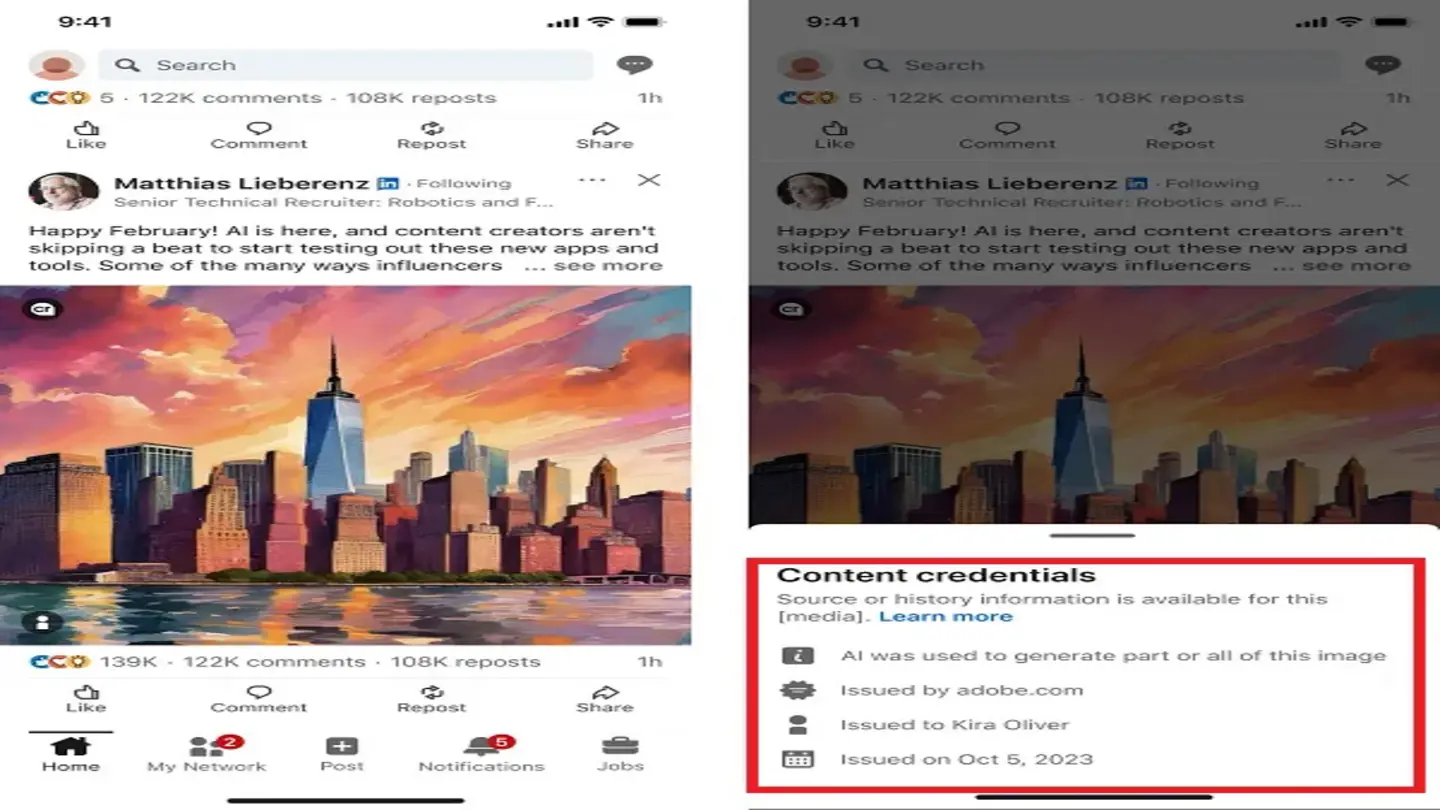
The guidelines specify that platforms must implement mechanisms to label AI-generated text, images, audio, and video. This labeling should be readily visible to users and should clearly indicate the content’s AI origin. Failure to comply with these guidelines could result in significant penalties for the platforms.
The government’s move comes amidst growing concerns about the potential misuse of AI for spreading misinformation, deepfakes, and other forms of deceptive content. The aim is to empower users with the ability to discern between human-created and AI-generated content, thereby mitigating the risks associated with AI-driven disinformation campaigns.
The new regulations also emphasize the need for platforms to establish robust content moderation policies and mechanisms. This includes proactive measures to identify and remove harmful or misleading AI-generated content. Platforms are required to be accountable for the content hosted on their sites and must take steps to prevent the dissemination of unlawful or harmful material.
The amendments also address the issue of deepfakes specifically, requiring platforms to implement measures to detect and label manipulated media. The rules lay down a framework for addressing deepfakes, considering them a form of harmful content that requires careful regulation.
Impact on Social Media Platforms
The new guidelines will require social media platforms to invest in technologies and processes to identify and label AI-generated content. This could involve integrating AI detection tools into their existing content moderation systems and developing new labeling mechanisms. The cost of implementing these changes could be substantial, especially for smaller platforms.
The regulations also place greater responsibility on platforms to ensure compliance with due diligence requirements. This includes establishing clear reporting mechanisms for users to flag potentially misleading or harmful content. Platforms are expected to respond promptly to such reports and take appropriate action.
The Indian government’s move is part of a broader global effort to regulate the use of AI and mitigate its potential risks. Several countries are exploring similar measures to ensure that AI is used responsibly and ethically. The new IT rules are expected to have a significant impact on the way content is created and disseminated online in India. The enforcement of these rules will be crucial in determining their effectiveness in combating misinformation and promoting transparency.
Image Source: Google | Image Credit: Respective Owner