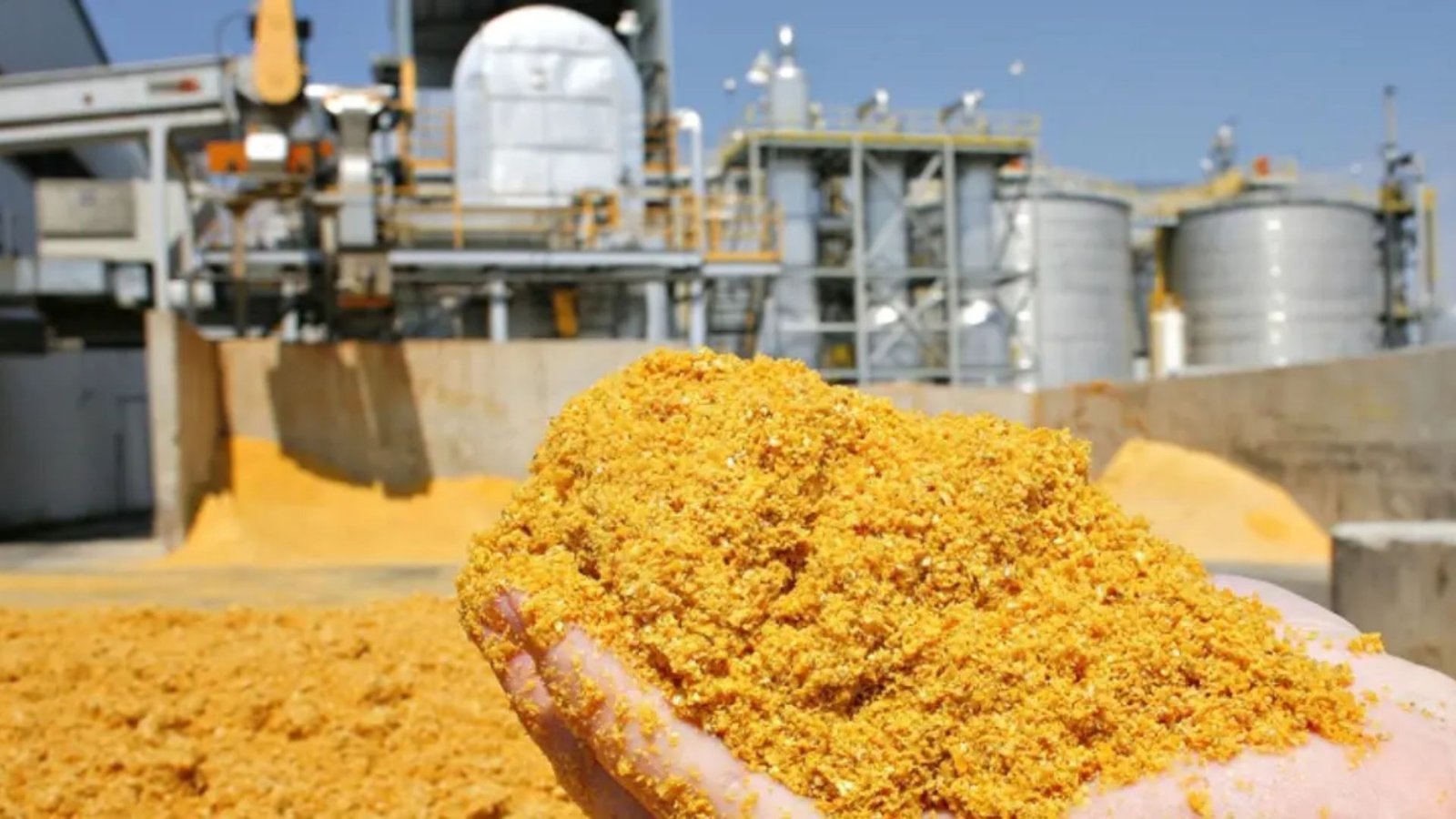
India has granted duty concessions on only 5 lakh tonnes of US-origin dried distillers’ grains with solubles (DDGS) under a revised trade agreement between the two nations. The partial tariff reduction comes as New Delhi seeks to balance domestic agriculture interests while addressing trade commitments with Washington.
Strategic quota maintains domestic protection
The capped concession – significantly lower than previous US requests – reflects India’s efforts to shield its local livestock feed industry from cheaper American imports. DDGS, a byproduct of ethanol production used as animal feed, faced stiff opposition from Indian farmers who argued excessive imports would destabilize domestic markets.
Commerce Ministry officials confirmed the 5 lakh tonne (500,000 metric tons) quota represents about 20% of India’s annual DDGS consumption. The duty reduction will likely lower import costs by ₹1,500-2,000 per tonne, making US shipments more competitive against domestic suppliers.
Trade pact implementation details
This development stems from negotiations under the World Trade Organization’s (WTO) dispute settlement mechanism. In 2019, Washington challenged India’s DDGS tariffs that ranged between 15-30%, alleging they violated international trade rules.
The compromise solution includes:
• Reduced tariffs for first 5 lakh tonnes annually
• Full duties apply to quantities exceeding quota
• Annual review of concession volume
• Price monitoring mechanism for domestic markets
Agriculture experts note this measured approach allows India to comply with WTO obligations without significantly disrupting its ₹15,000 crore domestic animal feed industry.
Sector reactions and market impact
US Grains Council representatives expressed cautious optimism, calling it “a positive step” but continuing to push for expanded access. Indian feed mill operators welcomed the quota system, noting it provides price stability while maintaining quality standards.
Market analysts project the decision could:
• Lower poultry production costs by 3-5%
• Reduce US DDGS prices by $10-15/tonne for Indian buyers
• Maintain domestic maize prices above MSP levels
• Slow India’s ethanol derivative imports growth to 7% annually
The move comes as both countries work to strengthen economic ties, with bilateral trade reaching $133.8 billion in 2022-23. Negotiations continue on other agricultural products, including almonds, apples and dairy items.
Image Source: Google | Image Credit: Respective Owner