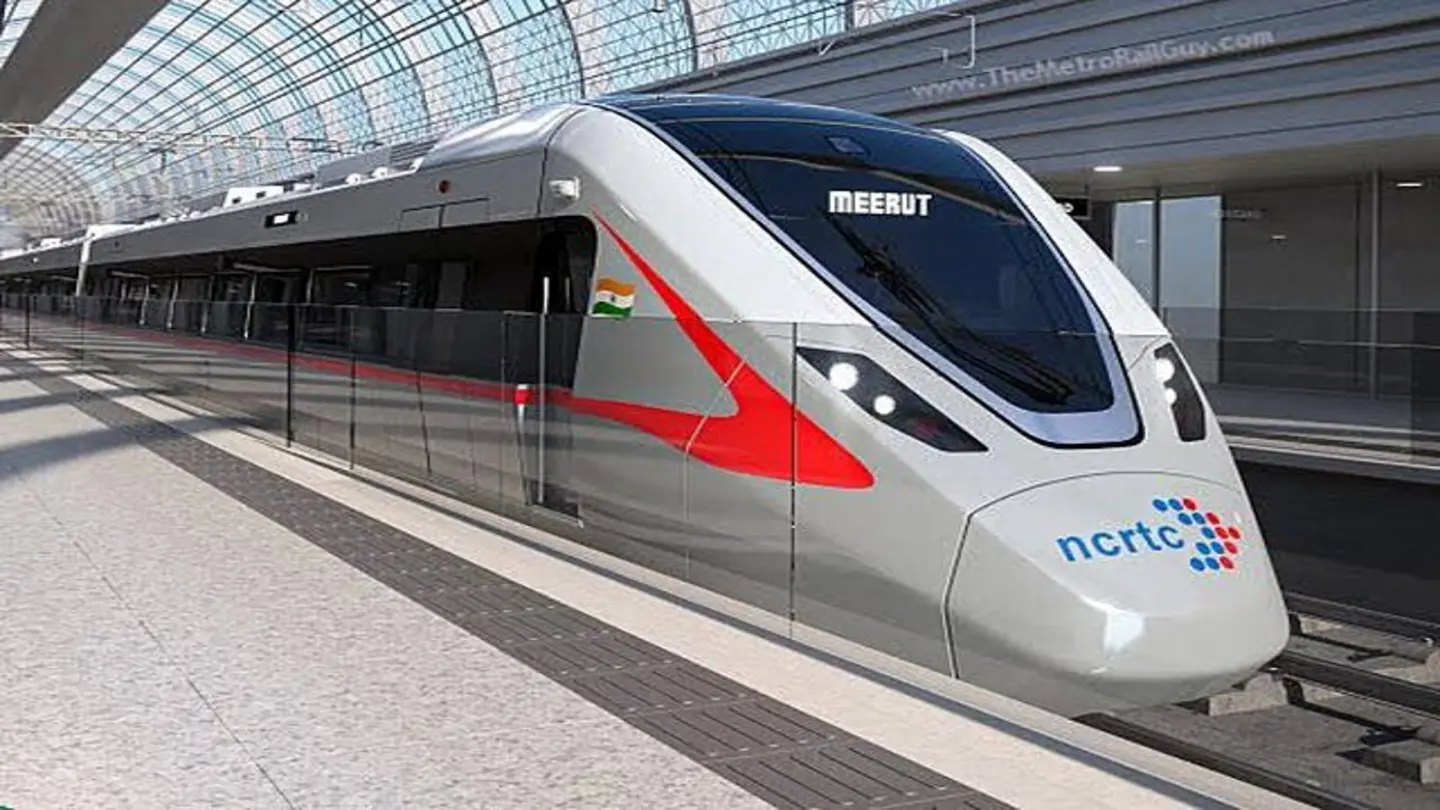
India is poised to unveil a high‑speed metro line that will connect the historic city of Meerut with the national capital region. According to a recent announcement by the Ministry of Housing and Urban Affairs, the first phase of the project will operate at a maximum velocity of 120 kilometres per hour, making it the fastest urban rail system in the country. Officials highlighted that the sleek train sets, manufactured by a domestic firm, incorporate advanced signalling technology and energy‑efficient propulsion to reduce operating costs while delivering commuters a travel time reduction of up to thirty minutes on the 18‑kilometre corridor.
The initiative forms part of a broader strategy to modernise public transportation across Indian metros, aligning with the government’s vision of sustainable urban mobility. Planners emphasised that the new service will feature dedicated lanes for non‑motorised transport, integrated ticketing, and real‑time passenger information displays. Environmental impact assessments indicate that the project will cut carbon emissions by an estimated 15 percent compared with conventional diesel bus fleets.
Stakeholders have praised the collaboration between central and state authorities, noting that financing combines sovereign bonds with private sector investment. Chief minister of Uttar Pradesh expressed optimism that the line will stimulate economic activity in the region, attracting tech firms and logistics companies seeking efficient logistics corridors.
Construction began two years ago, and the final segment is slated for completion by the end of next fiscal year. During a recent press briefing, the project’s chief engineer demonstrated the train’s acceleration capabilities, underscoring the safety protocols and rigorous testing regimes in place.
Public response has been largely positive, with local residents expressing anticipation for a modern commuting experience that could alleviate chronic traffic congestion. Social media monitoring shows a surge in hashtags related to the upcoming metro, reflecting a collective excitement that mirrors past infrastructure breakthroughs.
The inauguration ceremony is scheduled for early December, with invitations extended to dignitaries from across India and abroad. As the nation embraces faster, greener mobility solutions, the Meerut line stands as a testament to India’s ambition to compete with global metropolitan transit systems.
Regional Impact and Future Plans
Future expansion plans envisage extending the line beyond Meerut to neighboring districts, creating a regional rail network that links industrial hubs with residential zones. The government estimates that an additional 200,000 commuters will benefit annually, translating into heightened economic productivity and reduced road congestion. Integration with existing suburban rail and bus services will be managed through a unified digital platform, ensuring seamless transfers and real‑time schedule adjustments. This holistic approach underscores a long‑term vision of interconnected, low‑carbon urban mobility across the nation.
Image Source: Google | Image Credit: Respective Owner