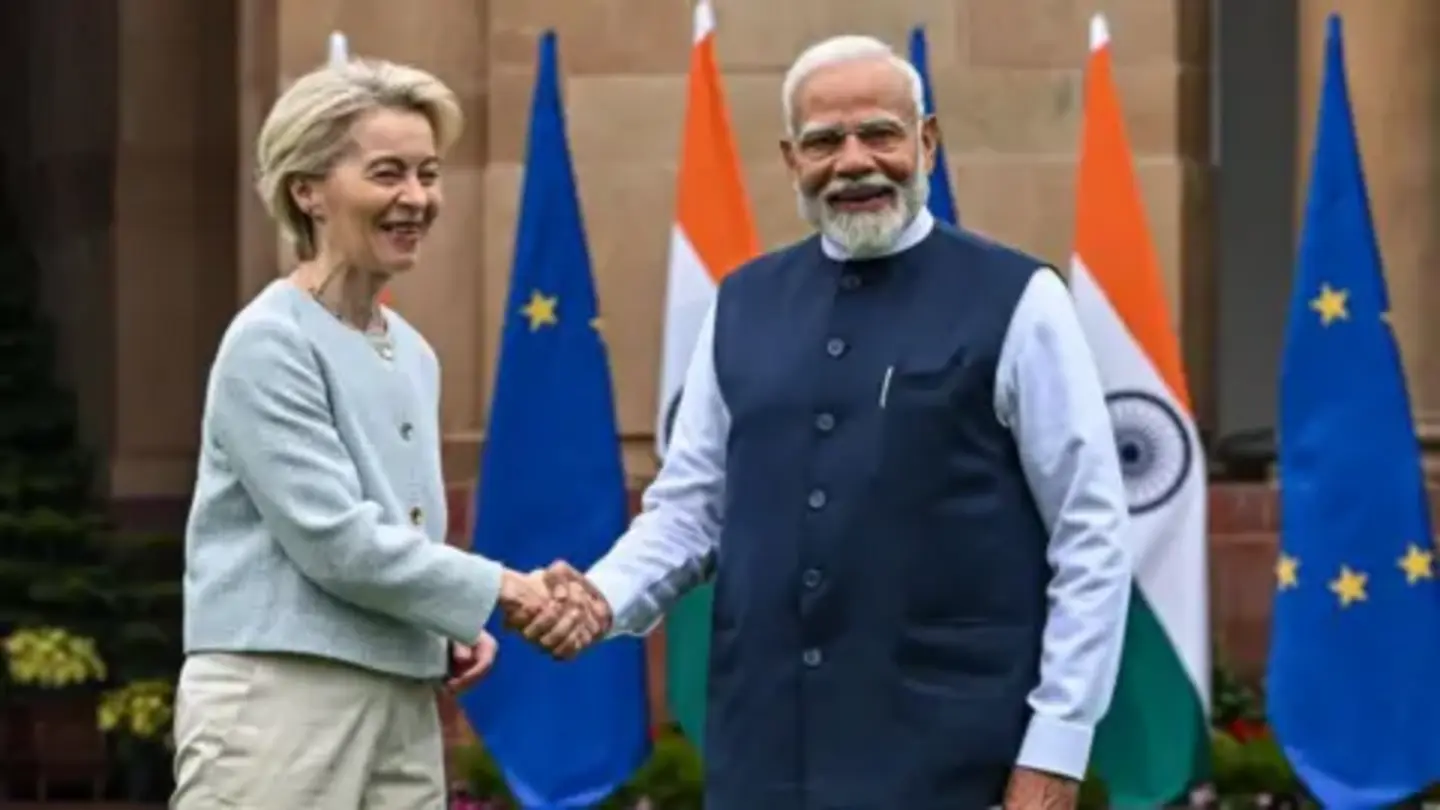
The looming prospect of a trade agreement between India and the European Union is widely viewed as a significant setback for Pakistan’s economic stability and growth trajectory. Experts and analysts suggest that the deal, expected to be finalized soon, will redirect trade flows and investment opportunities away from Pakistan, exacerbating existing economic challenges.
The core of the issue lies in India’s strategic positioning within the region and its growing economic influence. The EU-India trade agreement is anticipated to bolster India’s manufacturing capabilities and attract substantial foreign investment, creating a more competitive economic landscape. Pakistan, already grappling with a complex economic situation characterized by high inflation, a depreciating currency, and a persistent trade deficit, is particularly vulnerable to this shift.
Several factors contribute to Pakistan’s precarious position. Firstly, the country’s reliance on imports, particularly for essential goods, makes it susceptible to increased costs as trade routes shift towards India. Secondly, Pakistan’s own export capacity remains limited, hindering its ability to compete effectively in the global market. The EU-India agreement is likely to further intensify competition, pushing Pakistani exporters to adapt to more stringent quality standards and pricing pressures.
The potential impact extends beyond trade volumes. The agreement could also influence investment patterns, with European companies potentially diverting investments from Pakistan to India, seeking a more favorable and integrated market. This could lead to a decline in foreign direct investment (FDI) in Pakistan, further hindering economic development.
Furthermore, the agreement’s success in boosting India’s manufacturing sector could indirectly impact Pakistan by reducing the demand for Pakistani goods in the Indian market. This could further strain Pakistan’s export economy and contribute to a widening trade deficit.
Analysts emphasize the need for Pakistan to proactively address these challenges. Strategic diversification of exports, investment in infrastructure, and reforms to improve the business environment are crucial steps. However, the shadow of the India-EU trade deal looms large, highlighting the urgent need for Pakistan to strengthen its economic resilience and explore alternative trade partnerships to mitigate the potential negative consequences.
The situation underscores the interconnectedness of the regional economy and the importance of strategic trade agreements in shaping economic outcomes. Pakistan’s ability to navigate this evolving landscape will be a key determinant of its economic future.
Image Source: Google | Image Credit: Respective Owner