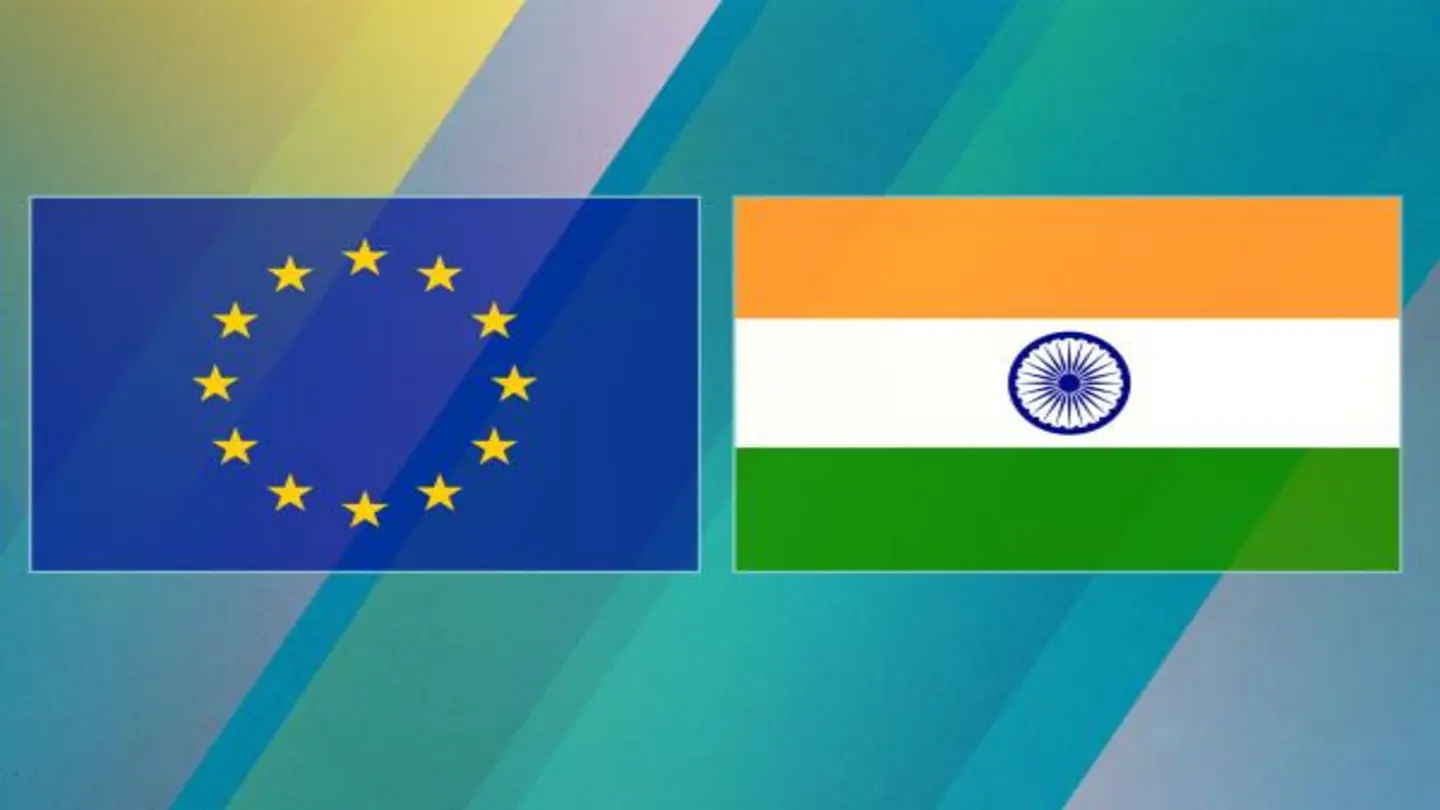
Negotiations between India and the European Union are poised to culminate in a significant trade agreement, described as the “mother of all deals,” as businesses increasingly feel the impact of tariffs imposed by former US President Donald Trump. The prospective deal aims to foster deeper economic ties and provide alternative markets for companies grappling with trade barriers elsewhere.
The BBC reports that the agreement is gaining traction due to the escalating trade tensions initiated by Trump’s protectionist policies. These tariffs, particularly those affecting steel and aluminum, have disrupted global supply chains and prompted businesses to seek more stable and predictable trade relationships. India and the EU have been negotiating a free trade agreement for over a decade, but progress has been slow due to disagreements on issues such as tariffs, intellectual property rights, and data localization.
However, the changing geopolitical landscape and the continued uncertainty surrounding US trade policy have created a renewed sense of urgency. Both sides recognize the mutual benefits of a comprehensive trade deal, which could significantly boost economic growth and create jobs. The EU is India’s largest trading partner, accounting for around 13% of India’s total trade. A free trade agreement is expected to increase bilateral trade substantially.
Key Areas of Negotiation
Current negotiations are focused on reducing tariffs on a wide range of goods, including agricultural products, industrial goods, and services. The EU is particularly keen on securing greater access to the Indian market for its agricultural exports, while India is seeking concessions on issues such as the recognition of its geographical indications (GIs) and easier access for its skilled professionals to the EU.
Another crucial aspect of the negotiations is the protection of intellectual property rights. The EU wants India to strengthen its enforcement of patents and trademarks, while India is concerned about the impact of stricter intellectual property rules on access to affordable medicines. Data localization requirements, which mandate that companies store data within India’s borders, are also a point of contention. The EU argues that these requirements create unnecessary barriers to trade and hinder the free flow of information.
Sources suggest that both sides are making compromises to reach a deal. India is reportedly considering reducing tariffs on certain EU products, while the EU is exploring ways to address India’s concerns regarding intellectual property and data localization. The agreement is expected to include provisions on sustainable development, labor rights, and environmental protection.
The potential deal is viewed as a strategic move by both India and the EU to diversify their trade relationships and reduce their dependence on the US market. It also signals a growing alignment between the two sides on issues of global trade and economic governance. While challenges remain, the momentum behind the negotiations suggests that a breakthrough is within reach, potentially reshaping the global trade landscape.
Analysts predict that the final agreement will be complex and multifaceted, reflecting the diverse interests of both sides. However, they agree that a successful outcome would be a win-win situation, fostering economic growth, creating jobs, and strengthening the strategic partnership between India and the EU.
Image Source: Google | Image Credit: Respective Owner