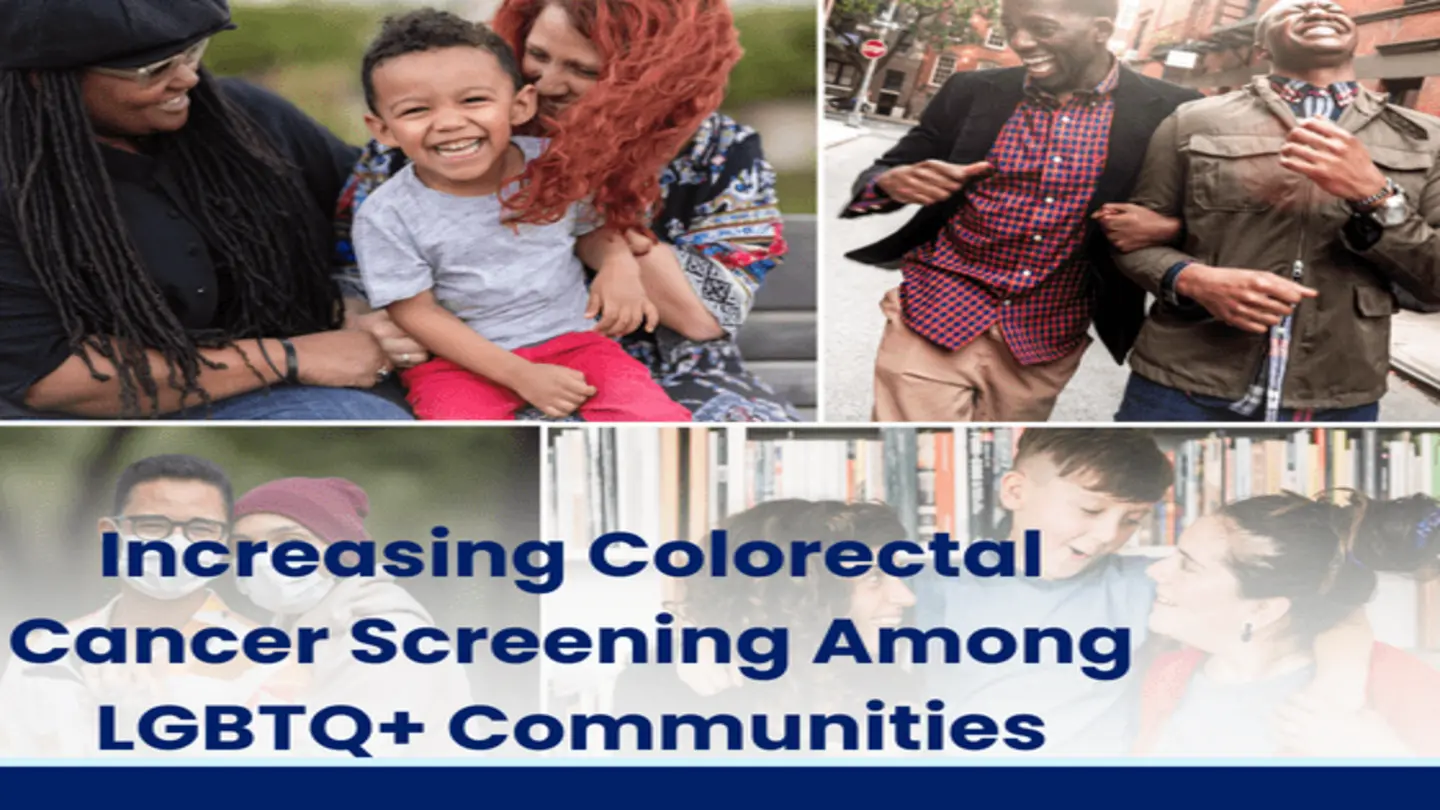
Colorectal cancer screening saves lives through early detection, yet LGBTQ+ individuals face significant disparities in access and outcomes. This summary examines the barriers to equitable screening and outlines strategies for advancement based on current research and advocacy.
Barriers stem from societal stigma and healthcare system failures. LGBTQ+ patients frequently report discrimination, misgendering, and provider assumptions during medical visits, fostering mistrust and avoidance of preventive services. Transgender individuals additionally encounter gender-specific screening protocols that may not align with their identity, such as cervical or prostate screenings based on sex assigned at birth, leading to distress and non-compliance.
Structural inequities exacerbate these challenges. Insurance coverage gaps, particularly for gender-affirming care, create financial and bureaucratic hurdles. Many regions lack LGBTQ+-friendly healthcare facilities, especially in rural areas, while economic disparities—including higher poverty rates in LGBTQ+ communities—limit affordability and access to screenings.
Data consistently shows lower screening rates among LGBTQ+ adults. For instance, gay and bisexual men undergo colonoscopies at lower rates than heterosexual men, and transgender women often delay screenings due to fear of mistreatment. These gaps contribute to later-stage diagnoses and poorer survival rates, underscoring the urgency for targeted interventions.
Advancing equity requires multi-sector efforts. Healthcare institutions must implement mandatory LGBTQ+ cultural competency training, covering inclusive language, pronoun use, and awareness of subgroup-specific health risks like elevated smoking or obesity rates that increase cancer susceptibility.
Policy reforms are critical. Strengthen anti-discrimination laws in healthcare settings, mandate insurance coverage for all evidence-based screenings without gender-based restrictions, and incorporate LGBTQ+ narratives in public health campaigns to normalize screening and reduce stigma.
Community engagement is vital. Partner with LGBTQ+ organizations to provide screenings in safe spaces and deploy peer navigators to assist individuals in navigating complex healthcare systems, building trust and reducing anxiety through relatable support.
Research must continuously collect and disaggregate data on sexual orientation and gender identity to identify nuanced barriers within subgroups. For example, bisexual individuals may face unique challenges due to invisibility or biphobia, requiring tailored outreach and education strategies.
In conclusion, achieving equitable colorectal cancer screening for LGBTQ+ populations is feasible through coordinated actions in healthcare training, policy advocacy, and community collaboration. By dismantling interpersonal and systemic barriers, we can ensure universal access to life-saving screenings, ultimately reducing cancer disparities and promoting health justice for all.
Image Source: Google | Image Credit: Respective Owner