Researchers are pioneering a new era of scientific communication with HydroVerse, an immersive virtual conference environment leveraging Metahuman AI. This innovative platform, detailed in a recent ESS Open Archive publication, aims to revolutionize how scientists interact with research, present findings, and engage with colleagues globally.
Traditional scientific conferences, while valuable, often present logistical and financial burdens, limiting participation and accessibility. Travel costs, venue limitations, and time constraints can exclude researchers, particularly those from smaller institutions or developing countries. HydroVerse directly addresses these issues by providing a fully virtual, highly interactive alternative.
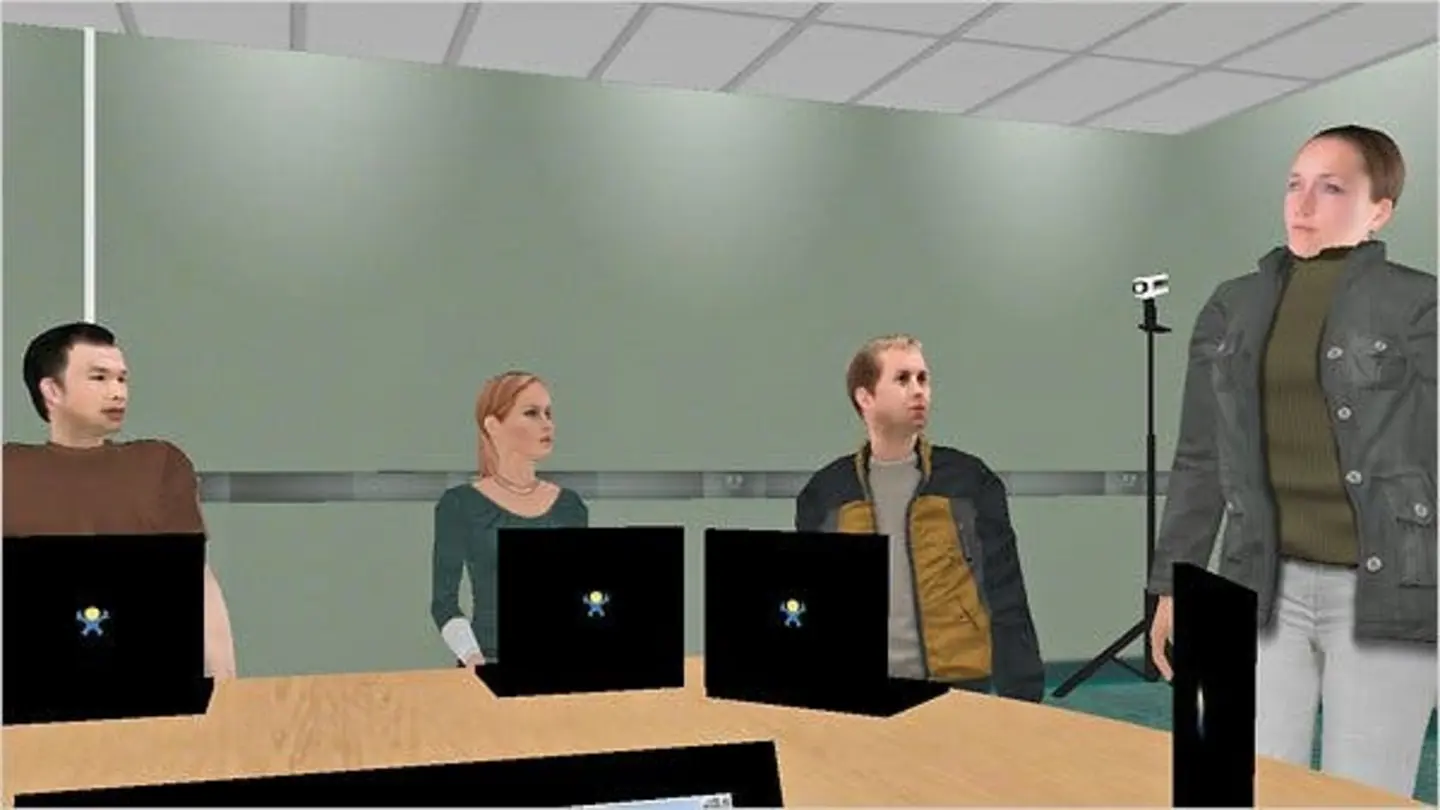
The platform’s core innovation lies in its use of Metahuman AI, creating realistic digital avatars that represent conference attendees. Instead of static video feeds, participants are represented as dynamic, expressive characters, fostering a greater sense of presence and connection. These AI-driven avatars aren’t simply visual representations; they are designed to enhance engagement through non-verbal cues and interactive possibilities.
HydroVerse’s environments are not simple Zoom meetings replicated in 3D. They are meticulously designed virtual spaces tailored to the needs of scientific discourse. These spaces might simulate a poster hall where attendees can ‘walk up’ to research displays and converse with the presenting author’s avatar, or a lecture theatre with a virtual stage and audience arrangement. The system allows for multiple simultaneous sessions, eliminating the conflicts inherent in traditional conference schedules.
The benefits extend beyond accessibility and convenience. The platform offers unique opportunities for data visualization and manipulation. Researchers can share and interact with complex datasets within the virtual environment, enabling collaborative analysis and a deeper understanding of the information presented. This represents a shift from passive consumption of research to active, immersive exploration.
Enhanced Interaction and Data Sharing
Furthermore, HydroVerse facilitates networking in novel ways. AI-powered matchmaking algorithms can connect researchers with shared interests, initiating targeted conversations and potential collaborations. The platform also incorporates features for virtual business card exchange and persistent virtual meeting spaces, maintaining connections beyond the conference duration.
The authors of the ESS Open Archive report emphasize that HydroVerse is not intended to *replace* in-person conferences entirely, but rather to *complement* them. The virtual environment offers a cost-effective and scalable solution for preliminary discussions, large-scale data dissemination, and ongoing collaboration. It allows for more frequent and focused interactions between researchers, accelerating the pace of discovery.
Initial trials have indicated high levels of user satisfaction, with participants reporting a more engaging and productive conference experience compared to traditional formats. The HydroVerse team is actively working on expanding the platform’s capabilities, including integrating advanced analytics to measure engagement and automatically generate conference summaries. The project represents a significant step towards a more open, collaborative, and effective future for scientific communication, potentially transforming how knowledge is shared and advanced within the global research community.
Image Source: Google | Image Credit: Respective Owner