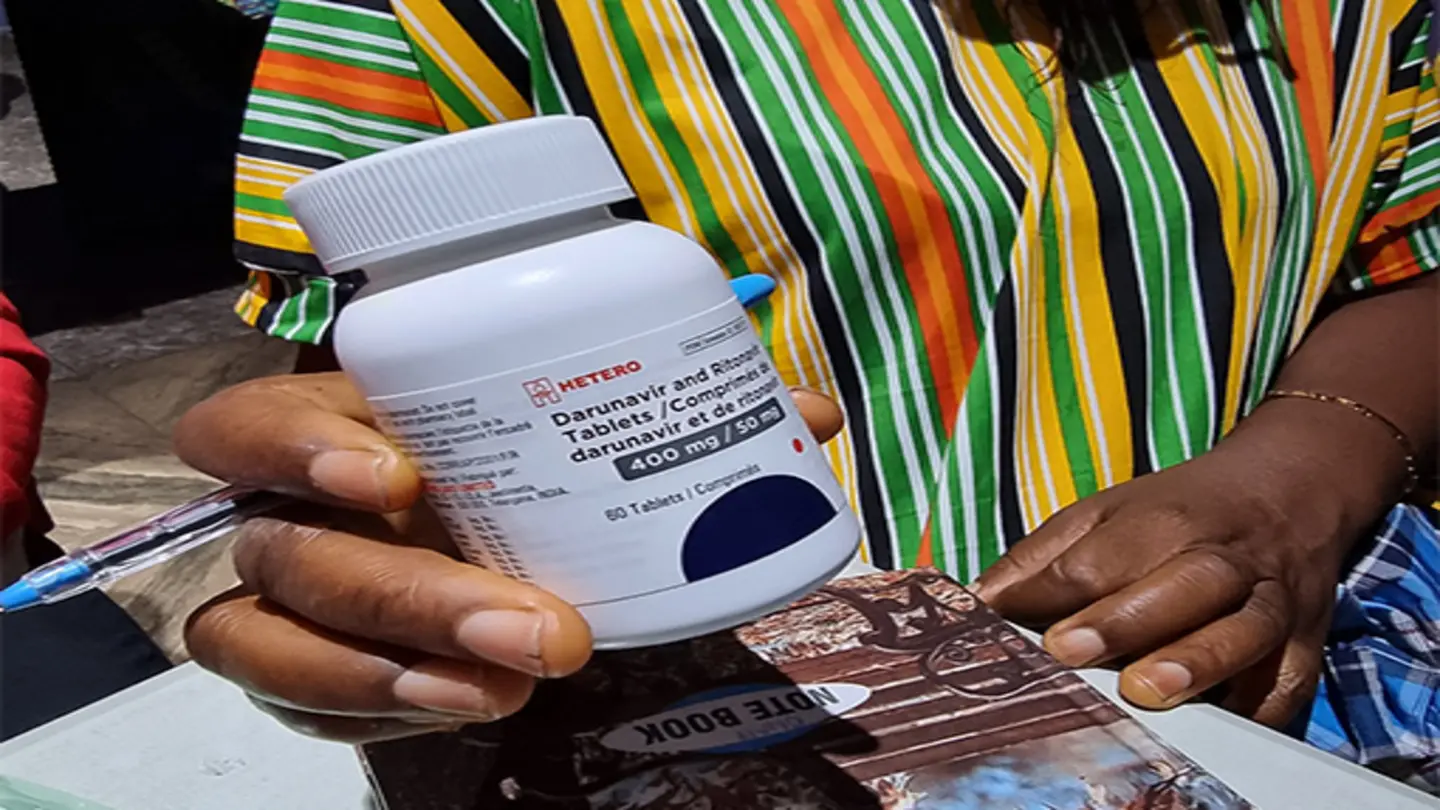
A new development offers hope for more affordable HIV treatment. Generic versions of a key antiretroviral drug could significantly reduce the annual cost of treatment, potentially down to just $40 per year. This price reduction could make HIV treatment more accessible to millions globally, particularly in low- and middle-income countries where the cost of medication can be a major barrier to care.
The availability of cheaper generic drugs could revolutionize HIV treatment programs, allowing for wider coverage and improved patient outcomes. Increased access to medication is crucial for controlling the HIV epidemic, as it not only helps individuals manage their condition but also reduces the risk of transmission to others.
Impact on Global Health
The potential cost reduction has significant implications for global health initiatives aimed at combating HIV/AIDS. Currently, the high cost of antiretroviral drugs limits the reach of these programs, leaving many individuals without the treatment they need. A more affordable option would enable healthcare providers to expand their services and reach a larger population, leading to a more substantial impact on the epidemic.
Furthermore, the reduced cost could free up resources for other essential healthcare services, such as HIV testing, prevention programs, and support for people living with HIV. This holistic approach is essential for addressing the complex challenges associated with the epidemic and ensuring that individuals receive comprehensive care.
The move towards more affordable generic drugs is driven by a combination of factors, including increased competition among pharmaceutical companies, the expiration of patents on brand-name drugs, and efforts by international organizations to negotiate lower prices. These factors are creating a more favorable environment for access to affordable HIV treatment.
Challenges and Opportunities
While the potential cost reduction is promising, there are also challenges to consider. Ensuring the quality and efficacy of generic drugs is crucial, as substandard medications can undermine treatment efforts and lead to drug resistance. Regulatory agencies and healthcare providers must work together to ensure that generic drugs meet the same standards as brand-name medications.
Furthermore, sustainable financing mechanisms are needed to ensure that affordable HIV treatment is available in the long term. This requires collaboration among governments, international organizations, and the private sector to develop innovative funding models that can support treatment programs in resource-limited settings. The introduction of cheaper generic HIV drugs represents a major step forward in the fight against HIV/AIDS. By making treatment more accessible and affordable, this development has the potential to transform the lives of millions of people and accelerate progress towards ending the epidemic. Continued efforts are needed to ensure that these drugs are of high quality and that sustainable financing mechanisms are in place to support treatment programs in the long term.
Image Source: Google | Image Credit: Respective Owner