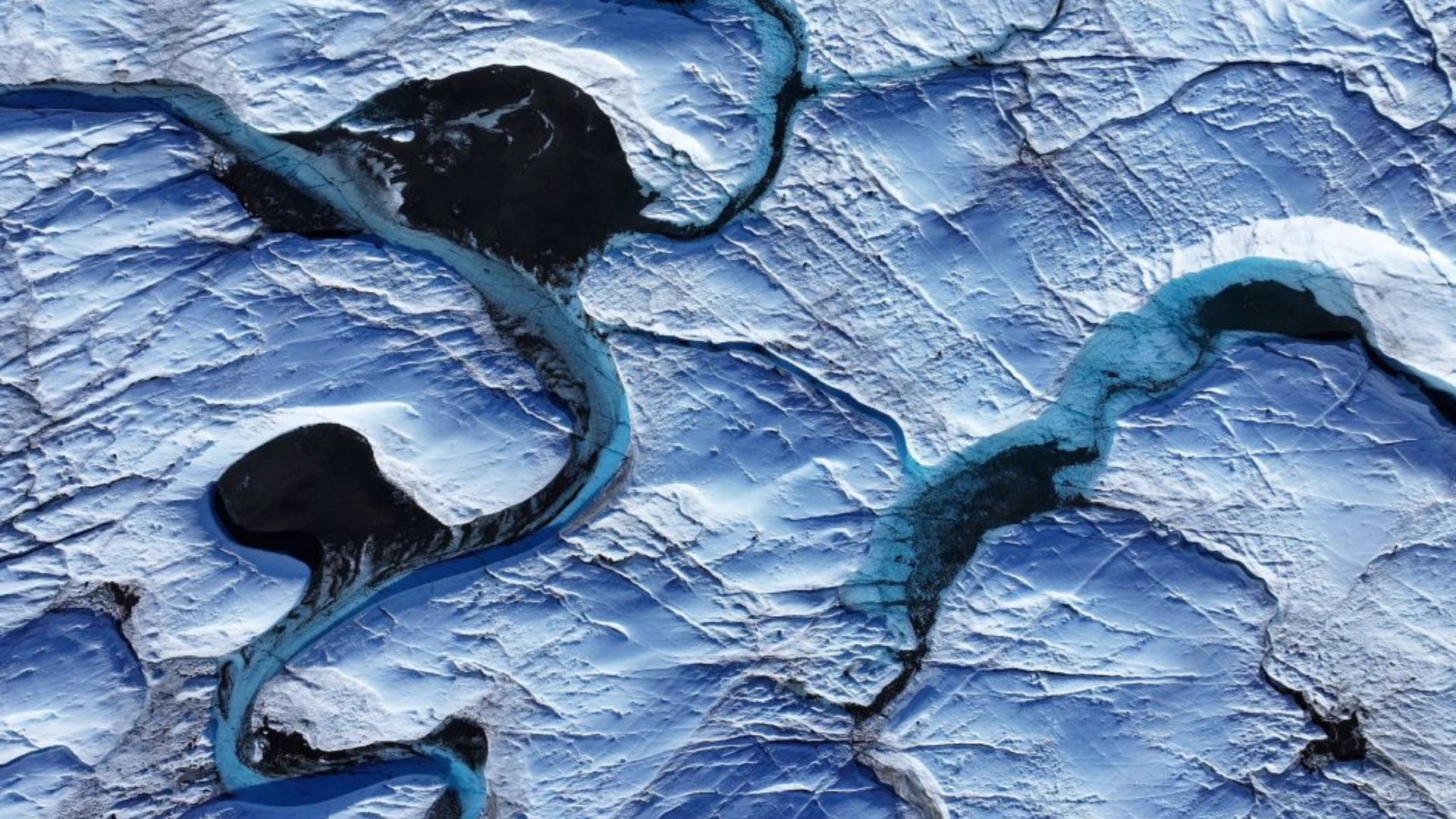
Innovative proposals aimed at saving the planet’s melting ice sheets, including underwater sea curtains and attempts to refreeze Arctic ice, are gaining popularity. However, a new study has concluded that these high-tech solutions are not only unfeasible but could also cause irreparable environmental damage.
The melting polar ice sheets, which contain enough water to significantly raise sea levels, have become one of the most alarming symbols of climate change. As the planet heats up, ideas for “polar geoengineering” — artificial efforts to cool the Arctic and Antarctic — have gained traction. Academics and start-ups have been actively researching these potential fixes, and investors are increasingly funding these projects.
However, the study, published in Frontiers in Science, argues that these proposed methods are deeply flawed and could be more harmful than helpful.
Polar Geoengineering: A Dangerous Distraction
Researchers, including glaciologist Martin Siegert from the University of Exeter, analyzed five of the most talked-about ideas for cooling the polar regions. These included:
- Pumping seawater onto ice to thicken it or scattering glass beads to increase sea ice reflectivity.
- Installing massive sea curtains on the seabed to block warm water from melting ice shelves.
- Spraying particles into the stratosphere (solar geoengineering) to cool the planet.
- Drilling beneath glaciers to pump water and slow ice sheet flow.
- Adding nutrients like iron to polar oceans to stimulate plankton growth and increase carbon absorption.
The study found that none of these methods passed scrutiny, and all were deemed environmentally risky. According to the authors, the Arctic and Antarctic are some of the planet’s most delicate ecosystems, and these untested methods do not adequately consider the challenges of these extreme environments.
Environmental and Ethical Risks
The report highlighted several potential risks, including:
- Sea curtains could disrupt marine habitats, affecting species like seals and whales.
- Drilling into glaciers could contaminate pristine environments.
- Spraying particles into the stratosphere could alter global climate patterns.
One particularly concerning proposal involved scattering tiny glass beads on the ocean’s surface to make it more reflective. A previous study by the Arctic Ice Project had to be halted due to ecotoxicological risks to the Arctic food chain, further raising alarm about this approach.
The High Costs and Impracticality
The price tag for these geoengineering solutions would be staggering. For example, the sea curtain idea is projected to cost around $80 billion over ten years to deploy a 50-mile curtain. The report concludes that even if these projects could be implemented, they would not be deployed on the necessary scale or within the required timeframe to address the climate crisis.
“While well-intentioned, these ideas distract from the real work of reducing emissions,” said Siegert. “We need to focus on what we know works: cutting carbon emissions.”
Debate on the Future of Geoengineering
Despite the report’s critical stance, some scientists argue that research into geoengineering shouldn’t be cut off entirely. Shaun Fitzgerald, director of the Centre for Climate Repair at the University of Cambridge, emphasized the need for ongoing research: “Rather than shutting down geoengineering discussions, we need to debate the relative risks and benefits.”
Others, like Hugh Hunt from the same center, believe that geoengineering, particularly in the Arctic, may be essential due to the rapidly worsening climate situation.
However, many experts, including Bethan Davies from Newcastle University, caution against relying on these unproven methods. They argue that such interventions are not realistic or cost-effective solutions and distract from more pressing actions like reducing emissions.
Conclusion
While polar geoengineering ideas may seem appealing as potential solutions to the climate crisis, the study reveals their significant flaws and risks. The delicate and pristine nature of the polar regions means that any interference could cause lasting damage, which would be irreversible. According to the scientists behind the report, we must remain focused on reducing carbon emissions and tackling the root causes of climate change.
Image Source: Sean Gallup/Getty Images | Image Credit: Respective Owner