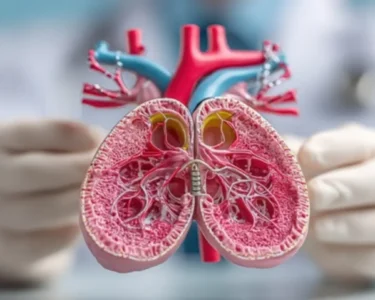
A viral claim suggesting a direct link between high-protein diets and an increased risk of heart attacks has been circulating online, prompting medical professionals to address the misinformation. The claim, shared widely across social media platforms, has caused concern among individuals following or considering high-protein dietary plans for weight management or fitness purposes. Doctors are now stepping in to clarify the facts and provide a balanced perspective on the potential risks and benefits of such diets.
Several medical experts have emphasized that while a balanced diet is crucial for overall health, singling out protein as the sole culprit for heart attacks is an oversimplification. Heart disease is a complex condition influenced by various factors including genetics, lifestyle choices, pre-existing health conditions, and overall dietary patterns. Focusing solely on protein intake ignores the broader context of an individual’s health profile.
The Nuances of Protein Consumption
According to cardiologists, the type of protein consumed is a critical factor often overlooked in these viral claims. High-protein diets that primarily consist of processed meats, saturated fats, and cholesterol-rich foods can indeed contribute to an elevated risk of heart disease. These types of proteins are associated with increased levels of LDL cholesterol, often referred to as “bad” cholesterol, which can lead to plaque buildup in the arteries, increasing the risk of heart attack and stroke. However, lean protein sources such as poultry, fish, legumes, and plant-based proteins can be part of a heart-healthy diet when consumed in moderation and as part of a balanced eating plan.
Furthermore, the method of cooking and preparation significantly impacts the health effects of protein-rich foods. Grilling, baking, or steaming protein sources are preferable to frying, which can introduce unhealthy fats and increase the caloric content. Incorporating a variety of nutrient-dense foods, including fruits, vegetables, and whole grains, is essential to mitigate potential risks associated with high-protein intake.
Expert Recommendations and Guidelines
Medical professionals recommend that individuals considering or currently following a high-protein diet consult with a registered dietitian or healthcare provider. A personalized assessment can help determine the appropriate protein intake based on individual health needs, activity levels, and pre-existing conditions. Monitoring cholesterol levels, blood pressure, and other cardiovascular risk factors is also advisable. Doctors also stress the importance of staying hydrated when consuming high amounts of protein, as the kidneys need adequate water to process the increased nitrogen load from protein metabolism. The viral claim, therefore, is considered misleading without the necessary context and nuance.
In conclusion, while excessively high consumption of certain types of protein can pose health risks, it is not the sole determinant of heart attack risk. A balanced diet, healthy lifestyle choices, and regular medical check-ups are crucial for maintaining cardiovascular health. Doctors urge the public to rely on credible sources of information and consult healthcare professionals before making significant dietary changes.
Image Source: Google | Image Credit: Respective Owner